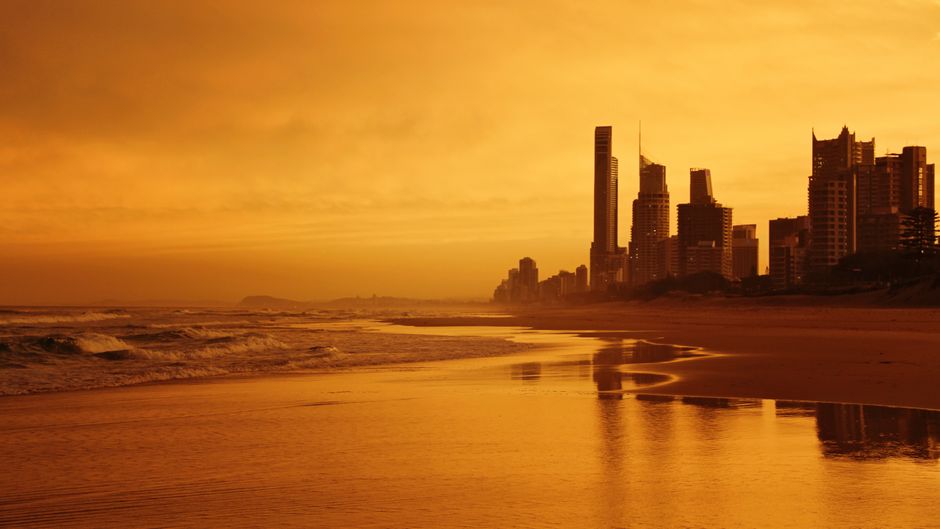
The Gold Coast's fitness landscape has undergone a dramatic transformation over the past three years, with major investment in facilities and infrastructure positioning the region as a serious training hub for athletes across disciplines. This evolution reflects broader shifts in how the Coast approaches sport and wellness at both community and elite levels.
Surfers Paradise and Broadbeach have emerged as epicentres for premium fitness infrastructure. The CBD precincts now host multiple high-capacity gyms equipped with Olympic lifting platforms, functional training zones, and recovery facilities including cryotherapy and contrast therapy pools. Many venues report membership increases of 25-30% annually, with monthly memberships ranging from $45 for community facilities to $180+ for premium private operations offering specialised coaching and rehabilitation services.
Beyond the glamorous beachside precincts, the real story lies in distributed infrastructure development. Facilities in Ashmore, Southport, and Varsity Lakes have upgraded significantly to meet growing demand from the growing suburban population. The Gold Coast City Council's $8.2 million investment in regional aquatic centres and training facilities has created modern venues with Olympic-standard pools, enabling development of junior swimming and water polo talent pipelines.
The infrastructure boom extends to specialist facilities. Rock climbing walls, purpose-built rugby league training grounds, and dedicated CrossFit boxes have proliferated across neighbourhoods like Bundall and Nerang. Meanwhile, the completion of expanded outdoor fitness precincts along the coastal pathway system—featuring functional training stations, outdoor swimming spots, and group training areas—has democratised access to quality facilities.
Indoor sports venues have also undergone renewal. Multi-court facilities supporting basketball, netball, and volleyball are increasingly equipped with video analysis technology and biomechanics assessment tools, allowing athletes to access data-driven training previously available only at elite institutes.
However, sustainability remains a conversation point among facility operators. The cost of maintaining premium infrastructure in the Gold Coast's subtropical climate—saltwater corrosion, heat management, and energy demands—has created pressure for innovative solutions. Several venues are adopting solar installations and water recycling systems to manage operational expenses.
What's clear is that the Coast's investment in fitness infrastructure reflects genuine ambition. Whether attracting interstate athletes seeking quality training environments or supporting homegrown talent development, these facilities represent genuine competitive advantage. As the region continues attracting sporting events and talent, the quality of available training infrastructure will remain a determining factor in athletic success.
This article was compiled by AI from the sources linked above and screened before publishing. See our editorial standards.