From Local Courts to City Pride: How Grassroots Clubs Built Gold Coast's Community Sport Movement
Behind every weekend fixture in Surfers Paradise and Southport lies a quiet revolution of volunteers and volunteers keeping amateur sport alive in our city.
On any given Saturday morning, the fields around Tallebudgera Valley and the courts near Broadbeach teem with energy that has nothing to do with tourism dollars or professional franchises. Instead, it's the beating heart of Gold Coast's grassroots sport movement—a network of community clubs and amateur leagues that has grown quietly but persistently over the past decade, now engaging nearly 40,000 recreational players across the city.
The scale is staggering when you consider the infrastructure required. Clubs operating from suburban grounds in Labrador, Ashmore, and Nerang have collectively invested millions in maintenance, coaching development, and junior pathways. Most operate on shoestring budgets, with registration fees typically ranging from $150 to $350 per season for adults, and grants from Gold Coast City Council providing crucial but insufficient support.
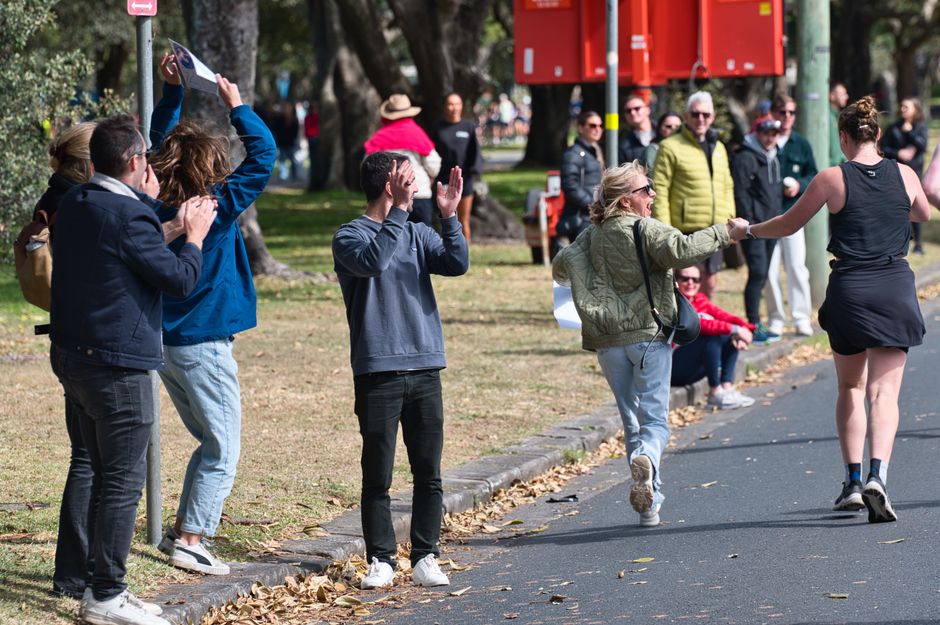
"What people don't see is the volunteer backbone," explains the coordinator of a local soccer collective. "We have parents managing club finances in their loungerooms, retired teachers coaching junior squads three nights a week, and groundskeepers maintaining fields on weekends." Across the city, more than 1,200 volunteer administrators keep clubs functioning without salary or recognition.
The movement has democratised sport in ways professional leagues cannot. Mixed-gender netball competitions in the Southport district now field 60-plus teams. Touch football leagues stretching from the Gold Coast Hinterland to Currumbin have waiting lists. Casual cricket clubs in suburbs like Mudgeeraba and Robina attract retirees and working professionals seeking community connection rather than competitive glory.
Technology has accelerated this growth. Platforms managing fixture schedules, social media groups coordinating carpools, and apps tracking league standings have lowered barriers to participation. A parent new to the Gold Coast can now find a suitable club within hours rather than weeks.
Yet challenges persist. Council funding hasn't kept pace with participation growth. Field availability around Broadwater and near the CBD remains constrained by competing demands. Several clubs report difficulty attracting younger volunteers to replace retiring administrators—a succession crisis few publicly acknowledge.
Despite these headwinds, the movement endures because it serves a fundamental need. In a city defined by transience and tourism, grassroots clubs provide stability, identity, and belonging. They're where friendships form, where kids first taste competitive sport, where middle-aged newcomers build their social networks.
The Gold Coast's professional teams draw crowds and headlines. But the real sporting story of our city happens on suburban grounds every weekend, sustained by the invisible labour of thousands of volunteers who believe sport belongs to everyone.
This article was compiled by AI from the sources linked above and screened before publishing. See our editorial standards.