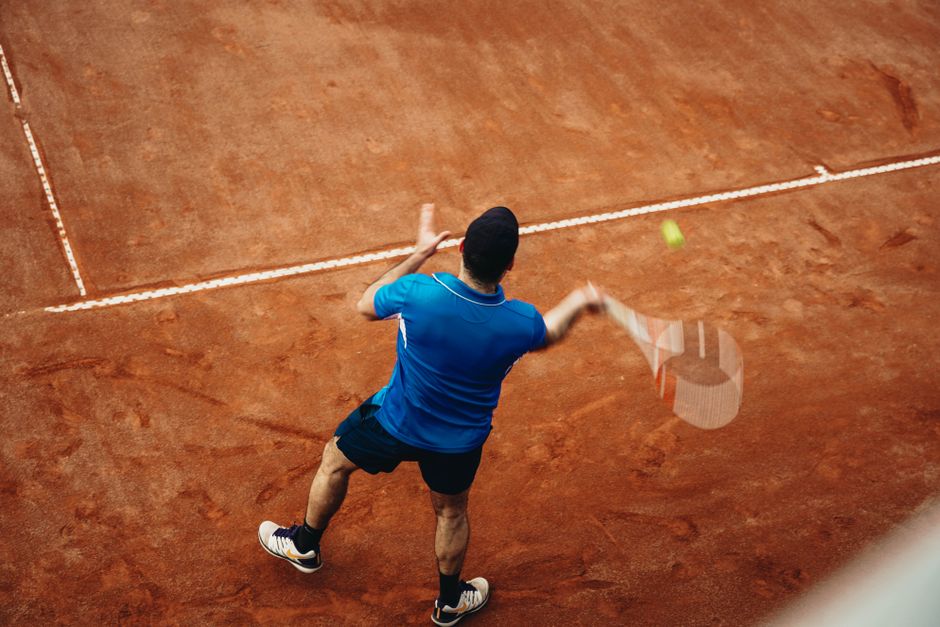
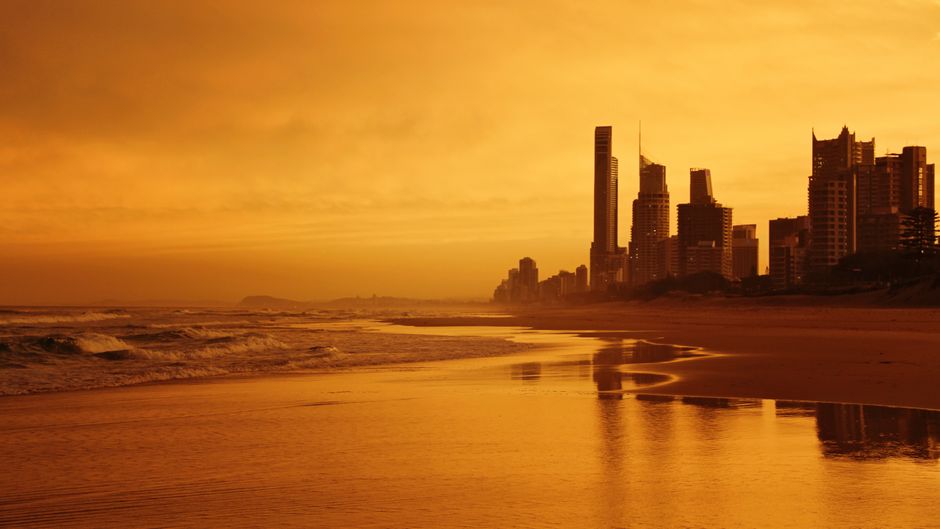
The Gold Coast's recreational sports scene is thriving, with thousands of amateur players competing across football, netball, cricket and rugby league each week. Yet behind the vibrant competition lies a troubling reality: the venues and infrastructure supporting these leagues are struggling to keep pace with demand.
From Ashmore to Southport, the city's network of public and private sporting facilities—many dating back 20 years or more—are showing their age. The Metricon Stadium precinct in Carrara remains a crown jewel, but smaller neighbourhood grounds across the hinterland and beachside suburbs face chronic underinvestment. Pitch maintenance, changing room amenities and training lighting remain inconsistent across the region's 40-plus active amateur clubs.
A recent informal survey by local sporting bodies revealed that nearly 70 per cent of facilities require either major repairs or upgrades within the next three years. Drainage issues plague winter football grounds at Ashmore and Ormeau, while several netball courts at venues in Robina operate with inadequate spectator facilities. The cost of bringing these facilities to acceptable standards exceeds $15 million—funds that neither local councils nor cash-strapped volunteer-run clubs can readily access.
"We've got 300 junior footballers at our club alone," said one Broadbeach-based sports administrator who preferred anonymity. "But we're training on fields that can't handle the volume, with change rooms that are frankly embarrassing for visiting teams."
Parking and accessibility present additional bottlenecks. Venues clustered along the Gold Coast Hinterway and in southern suburbs often lack adequate parking for weekend competitions, while disability access remains spotty across older grounds. Some clubs have relocated training sessions to private facilities, driving up costs for families already paying competition fees of $150 to $400 per season per child.
The Queensland Government's Community Sports Infrastructure Grants Scheme has funded a handful of improvements, but allocations remain modest. Meanwhile, Council's 10-year capital works program prioritises major venues over neighbourhood grounds, leaving grassroots sports to fend for themselves.
Volunteer-led committees increasingly fundraise through sausage sizzles and car washes just to replace ageing equipment or patch potholes. It's a precarious model that leaves the future of recreational sport on the Gold Coast uncertain.
As the region's population continues to swell—forecast to reach 700,000 by 2041—demand for amateur sporting facilities will only intensify. Without sustained infrastructure investment, the city risks losing the community backbone that recreational leagues provide.
This article was compiled by AI from the sources linked above and screened before publishing. See our editorial standards.