Gold Coast's aquatic infrastructure: inside the venues powering a water sports boom
From Olympic-standard pools to beachfront training grounds, the city's sports facilities are driving participation in swimming and water sports to record levels.
From Olympic-standard pools to beachfront training grounds, the city's sports facilities are driving participation in swimming and water sports to record levels.
The Gold Coast's reputation as Australia's premier water sports destination rests not just on its 57 kilometres of pristine coastline, but on a sprawling network of facilities that would rival any global city. The infrastructure supporting swimming and aquatic activities here has evolved dramatically over the past decade, transforming how locals and visitors engage with water sports.
At the heart of the city's aquatic ecosystem sits the Gold Coast Aquatic Centre on Ferny Avenue in Southport. The venue, which hosted events during the 2018 Commonwealth Games, features a 10-lane Olympic-standard pool, a 50-metre diving facility, and multiple training pools catering to everything from learn-to-swim programs for five-year-olds to elite athlete development. Council data shows the centre welcomes over 800,000 visits annually, with swimming lessons alone accounting for roughly 15,000 enrolments per year across various age groups.
But Olympic-size infrastructure tells only part of the story. Across the hinterland suburbs—Ashmore, Robina, and Tallebudgera—community pools provide accessible entry points for recreational swimmers. The Robina Aquatic Centre operates as a secondary hub, featuring a 50-metre pool that hosts regional competitions and school carnival events throughout the year.
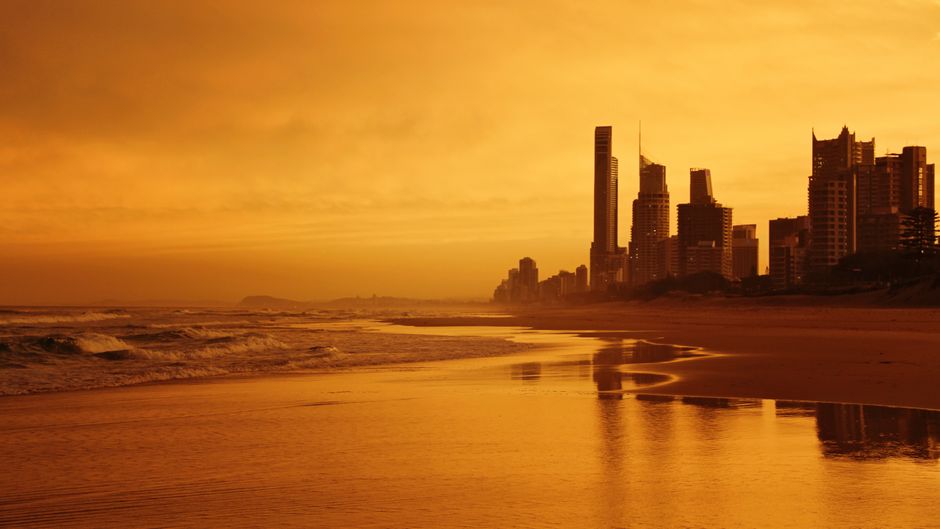
Beyond the pools, the Gold Coast's coastal precincts have become focal points for open-water swimming culture. Surfers Paradise Beach, patrolled by lifeguards year-round, hosts the annual Gold Coast Ocean Swim Series, attracting competitors across multiple distances. Infrastructure improvements along The Esplanade have included designated swim zones and improved beach accessibility, with councils investing roughly $2.3 million in coastal facility upgrades since 2023.
The city's triathlon community benefits from dedicated training facilities spanning beach, pool, and open-water environments. Tallebudgera Creek and Lake Orr in the hinterland have emerged as preferred open-water training grounds, while surf lifesaving clubs at Currumbin and Tallebudgera maintain clubhouse facilities supporting both competitive and recreational swimmers.
Sports bodies including Gold Coast Swimming and the Queensland Aquatics Federation operate from upgraded facilities, coordinating everything from grassroots development to high-performance pathways. Recent upgrades to change rooms and spectator areas across major venues reflect growing demand.
Industry observers note that facility investment directly correlates with participation growth. Swimming participation on the Gold Coast has grown 12 per cent over three years, driven largely by family-oriented programming at accessible venues. As the city continues its evolution as a sports and lifestyle destination, its aquatic infrastructure remains crucial to sustaining that momentum.
This article was compiled by AI from the sources linked above and screened before publishing. See our editorial standards.
Spread the word
About this article
Published by The Daily Gold Coast
Daily brief
Free, in your inbox before 7am. Weekdays.
More from Gold Coast