Swimming's Rising Tide: How Gold Coast's Aquatic Infrastructure is Fueling the Next Generation of Water Sports Stars
From Olympic-standard pools to beachside training facilities, the Gold Coast's investment in water sports venues is positioning the region as Australia's premier aquatic destination.
The Gold Coast's reputation as a water sports powerhouse rests on far more than its sun-soaked beaches and reliable swells. Behind the scenes, a sophisticated network of aquatic facilities and infrastructure is quietly transforming the region into a training ground for Australia's elite swimmers, triathletes, and open-water athletes.
At the heart of this ecosystem sits the Gold Coast Aquatic Centre on the Gold Coast Highway in Tallebudgera Valley. The facility boasts a 50-metre Olympic-standard pool, a 25-metre heated indoor pool, and a dedicated diving complex—infrastructure that attracts swimmers from across the Southern Hemisphere. With lane hire fees starting at around $180 per hour and membership options accessible to local clubs, the centre remains the region's flagship venue for competitive and developmental swimming programs.
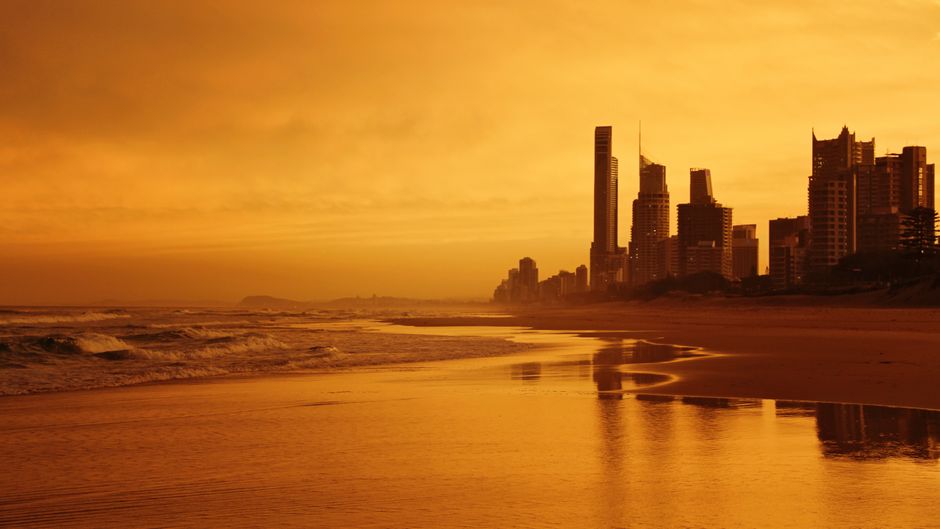
But the Gold Coast's aquatic advantage extends beyond single facilities. Southport's beachfront precinct has emerged as a hub for open-water training, with several organised swim squads utilising the patrolled beaches near the Surfers Paradise lifeguard towers. Meanwhile, the Broadwater—that protected stretch of water between the mainland and the spit—has become an unexpected training ground for triathletes and open-water enthusiasts, offering calmer conditions than the ocean.
Private facilities have also stepped up. Multiple aquatic centres operate across suburbs like Benowa, Ashmore, and Merrimac, offering everything from learn-to-swim programs to Masters swimming groups. These venues collectively service an estimated 15,000-plus regular swimmers annually, according to local sports development data.
The infrastructure investment tells a story of strategic planning. The Gold Coast City Council has prioritised aquatic development as part of its broader sports tourism strategy, recognising that elite swimmers and their support networks generate significant economic activity. Training camps, accommodation stays, and food services all benefit when world-class facilities attract interstate and international visitors.
Yet challenges remain. Waiting lists for some popular coaching squads extend months, and demand for lane space during peak hours—typically 5:30 to 7:30 am and after 4 pm—often outstrips availability. Local swimming clubs continue advocating for additional heated pool capacity to support year-round training without temperature constraints.
As the 2032 Olympics draw closer, the Gold Coast's aquatic infrastructure narrative is gaining momentum. These facilities aren't merely recreational amenities; they're the backbone of a sporting culture that's producing competitive swimmers and sustaining the region's claim as Australia's water sports capital.
This article was compiled by AI from the sources linked above and screened before publishing. See our editorial standards.