Making Waves: How Gold Coast Water Sports Clubs Are Diving Deep Into Community Building
From Surfers Paradise to the Broadwater, local aquatic organisations are nurturing talent, strengthening neighbourhoods, and proving that water sports are about far more than competition.
The chlorine-tinged air at Southport Aquatic Centre on a Tuesday evening tells a familiar story on the Gold Coast: children splashing through swimming lessons, teenagers perfecting butterfly strokes, and coaches offering encouragement that echoes across the pool deck. But beneath the surface of these training sessions lies something deeper—a thriving ecosystem of community-driven water sports clubs transforming how locals connect, compete, and care for one another.
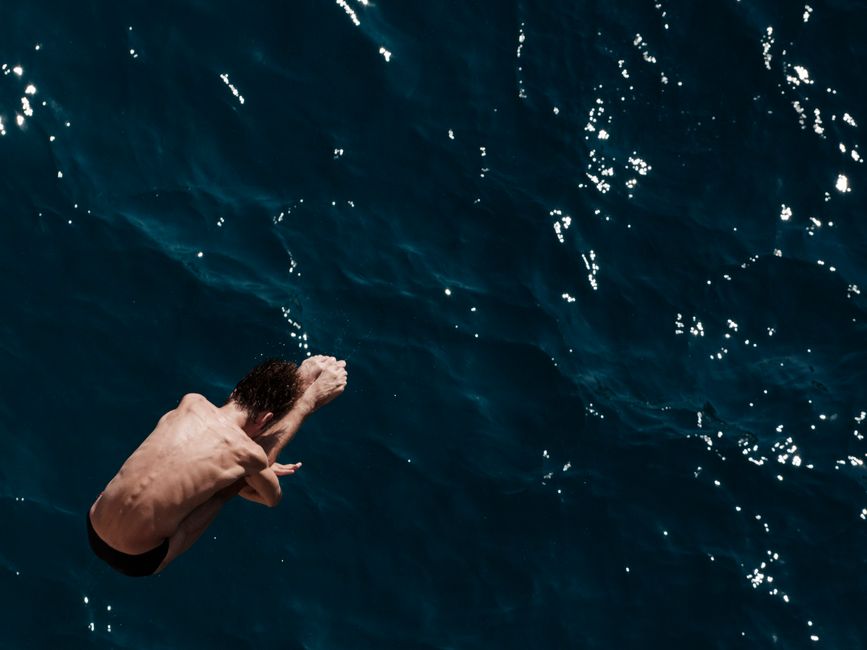
Gold Coast aquatic clubs have experienced remarkable growth over the past three years, with membership across local swimming, diving, and water polo organisations up approximately 22 per cent, according to Queensland Swimming figures. Clubs like Southport Swimming Club and Tallebudgera Valley Swimming Club have become anchors in their respective neighbourhoods, operating not just as training grounds but as genuine community hubs.
"What we're seeing is families making water sports part of their weekly rhythm," says a representative from one major local club. Membership fees typically range from $45 to $120 monthly for competitive swimmers, with recreational programs starting at $35 per term, making participation accessible across socioeconomic backgrounds.
The impact extends beyond pool lanes. Labrador Aquatic Club, nestled near the peaceful shores of the Broadwater, has become known for its inclusive approach, welcoming swimmers aged four to eighty-five. Their adaptive swimming program serves individuals with disabilities, with instructors trained in specialised techniques. Similarly, Surfers Paradise Water Polo Club has cultivated a fierce community spirit, regularly hosting family carnival days that draw hundreds of spectators to watch junior and senior matches.
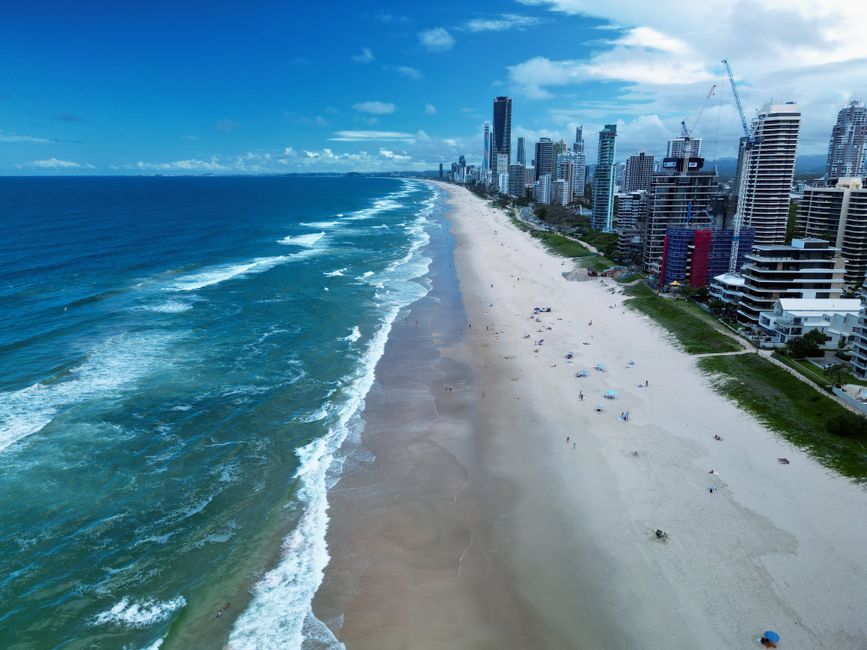
Clubs are also leveraging Gold Coast's natural waterways. Open water swimming groups utilising beaches from The Spit to Tallebudgera have flourished, with members citing the mental health benefits and camaraderie that comes with training in ocean conditions. Local triathlon clubs frequently organise group swims in these locations, building confidence in younger athletes transitioning from pool to open water.
The success reflects a broader recognition that water sports offer more than fitness metrics. Coaches consistently report improvements in young swimmers' confidence, discipline, and social connections. Parents describe the clubs as safe, welcoming spaces where children develop resilience through structured training and supportive peer groups.
As Gold Coast continues evolving, these aquatic organisations remain steadfast in their mission: making water accessible, building swimmers of all abilities, and strengthening the neighbourhoods they call home. In doing so, they're proving that community thrives wherever people gather with shared purpose—even if that purpose involves getting thoroughly wet.
This article was compiled by AI from the sources linked above and screened before publishing. See our editorial standards.