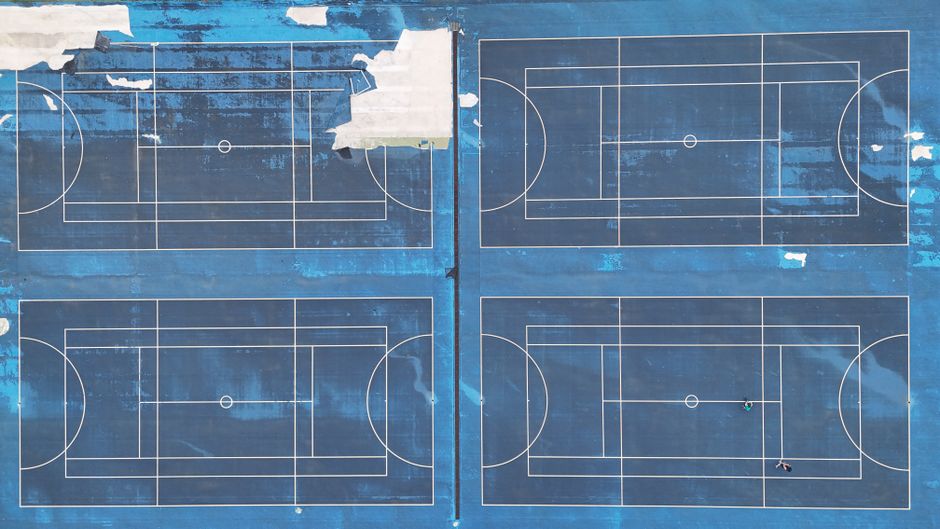
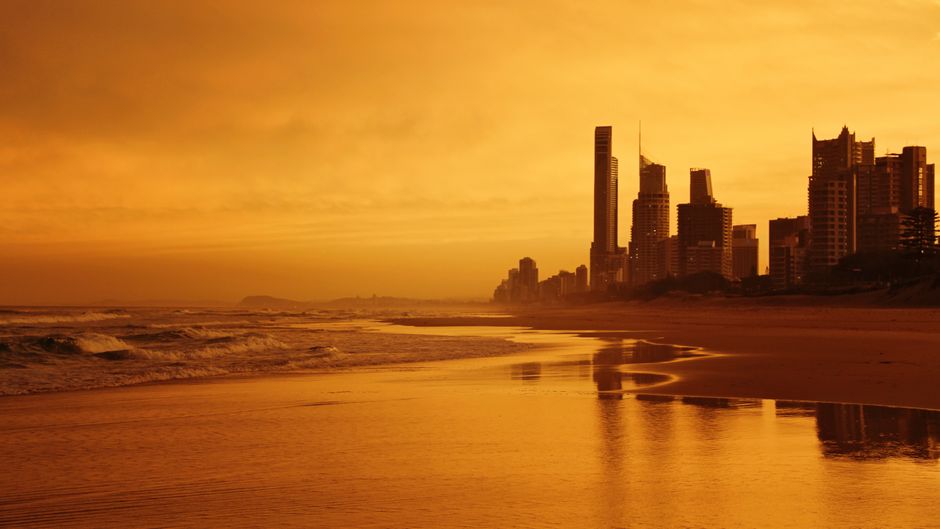
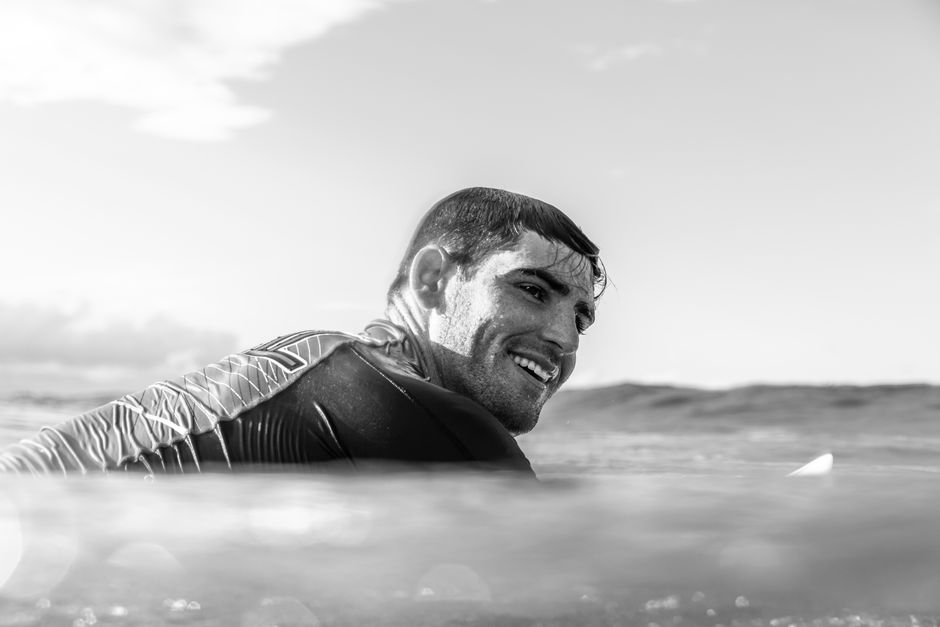
From the netball courts of Ashmore to the soccer pitches dotting Carrara, Gold Coast's grassroots sports infrastructure is quietly shaping the athletes of tomorrow. Yet as demand for youth participation surges, facility managers and club administrators are grappling with a familiar challenge: keeping pace with growth while maintaining quality standards.
The Gold Coast Sports and Leisure Network estimates more than 45,000 young people aged 5–17 participate in organised sport across the city, a 12% increase since 2023. This boom has strained existing venues, with many clubs reporting waitlists for junior programs. The Southport Olympic Park remains the city's flagship multi-sport precinct, hosting everything from athletics to water polo, but pressure is mounting on suburban facilities that form the true backbone of grassroots development.
Tallebudgera Valley Sports Club and similar facilities in outer suburbs have invested heavily in recent years. New synthetic hockey fields, upgraded lighting systems, and improved change room facilities at venues in Nerang and Mudgeeraba now rival city-centre standards. Yet cost barriers persist. Average annual membership fees for youth teams range from $400–$900 depending on sport, placing organised sport beyond reach for some families despite council subsidies for low-income participants.
The Broadbeach Aquatic Centre and competing facilities on the northern beaches have modernised their junior swim programs, with competition for coaching talent intensifying across the city. Strong infrastructure at venues like these has helped Gold Coast nurture state and national representatives, particularly in water sports where the region has traditional strengths.
However, pockets of neglect remain. Some council-managed ovals in suburbs like Arundel and Ormeau show signs of wear, with drainage issues limiting winter-sport scheduling. Local sports councils have begun advocating for a dedicated $8 million annual facility upgrade fund, arguing that strategic investment now prevents costlier repairs and ensures equitable access across postcodes.
The City of Gold Coast's Recreation Strategy 2024–2034 prioritises modern lighting at suburban grounds and improved amenity infrastructure, but implementation timelines remain fluid. Club volunteers—often parents managing facilities on shoestring budgets—carry much of the operational load.
Young athletes benefit when infrastructure keeps pace with participation. Gold Coast's growing network of quality venues demonstrates what's possible. Yet sustaining momentum requires ongoing investment and planning that extends beyond headlines. The generation using these facilities today will determine whether the Gold Coast remains a sporting powerhouse tomorrow.
This article was compiled by AI from the sources linked above and screened before publishing. See our editorial standards.