Gold Coast Gym Memberships Hit Record High: What Participation Data Reveals About Our Fitness Culture
New data shows locals are hitting the weights harder than ever—but the real story lies in who's training, where, and why.
New data shows locals are hitting the weights harder than ever—but the real story lies in who's training, where, and why.
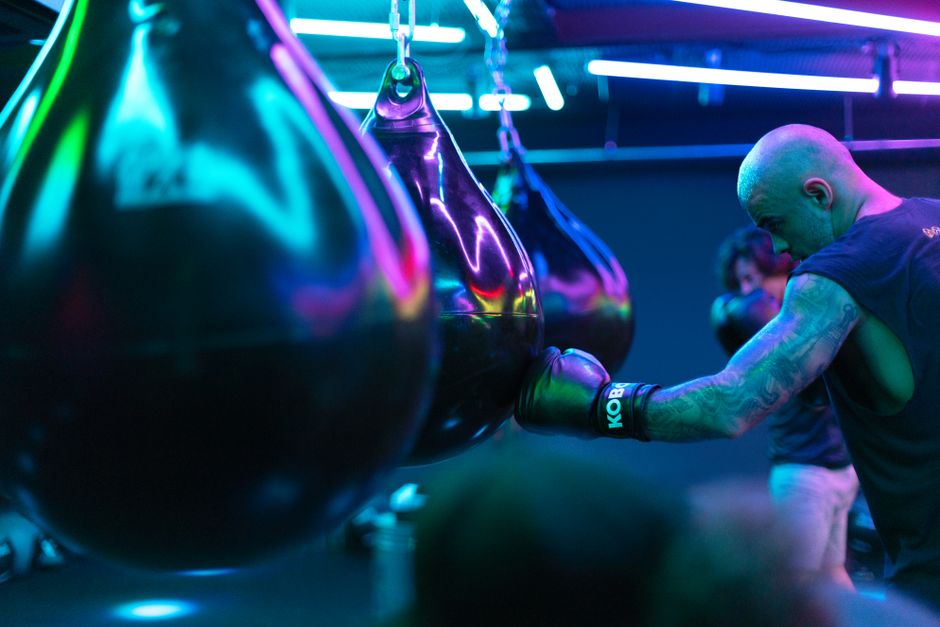
The Gold Coast's fitness sector is experiencing unprecedented growth, with participation figures revealing a fascinating snapshot of how locals are reshaping their approach to health and wellbeing. Recent industry data suggests gym membership across the region has surged 23 per cent in the past 18 months, a trend that extends far beyond the beachside clichés of bronze-skinned bodybuilders.
What's particularly striking is the demographic breakdown. Rather than the traditional young male skew, facilities report a near-50-50 gender split, with women now representing the fastest-growing segment. Boutique studios in Surfers Paradise and Broadbeach—from bespoke pilates studios to CrossFit boxes—are seeing waiting lists, while traditional commercial gyms across the hinterland are expanding their group fitness offerings to keep pace with demand.
Participation numbers tell us locals are willing to invest serious money. Average monthly memberships hover between $60 and $120 for standard facilities, while premium studios charge upward of $180. Yet the uptake suggests our community views this as non-negotiable spending. The Gold Coast Health and Fitness Association reports that renewal rates—a crucial metric—now sit at 68 per cent, significantly above the national average of 54 per cent.
Interestingly, the data reveals distinct geographical preferences. Northern suburbs like Ashmore and Arundel show strongest participation in functional fitness and circuit training, while coastal neighbourhoods gravitate toward yoga, swimming, and hybrid wellness approaches. Southport's growing professional demographic appears to favour convenience-focused boutique operators, whereas family-oriented areas show stronger uptake in community-run facilities.
Age distribution paints another compelling picture. The 35-to-50 bracket now represents our largest cohort—not the stereotypical 20-something demographic. This mature participation cohort is driving demand for low-impact training, mobility work, and classes explicitly marketed toward injury prevention and longevity rather than aesthetic transformation.
The shift toward holistic wellness is undeniable. Facilities reporting the strongest growth are those bundling fitness with nutrition coaching, mental health services, and recovery modalities. Standalone gym-only operations are consolidating, while integrated wellness hubs are expanding.
Perhaps most revealing: participation data shows a 34 per cent increase in off-peak hour usage. The traditional dawn and evening peaks remain strong, but afternoon and lunchtime sessions are drawing considerably larger crowds than five years ago—suggesting our workforce is increasingly flexible, or simply prioritising fitness across the entire day.
For a city built on lifestyle, the numbers confirm what we're observing anecdotally: the Gold Coast takes its training seriously, and it's doing so with greater diversity, commitment, and sophistication than ever before.
This article was compiled by AI from the sources linked above and screened before publishing. See our editorial standards.
Spread the word
About this article
Published by The Daily Gold Coast
Daily brief
Free, in your inbox before 7am. Weekdays.
More from Gold Coast