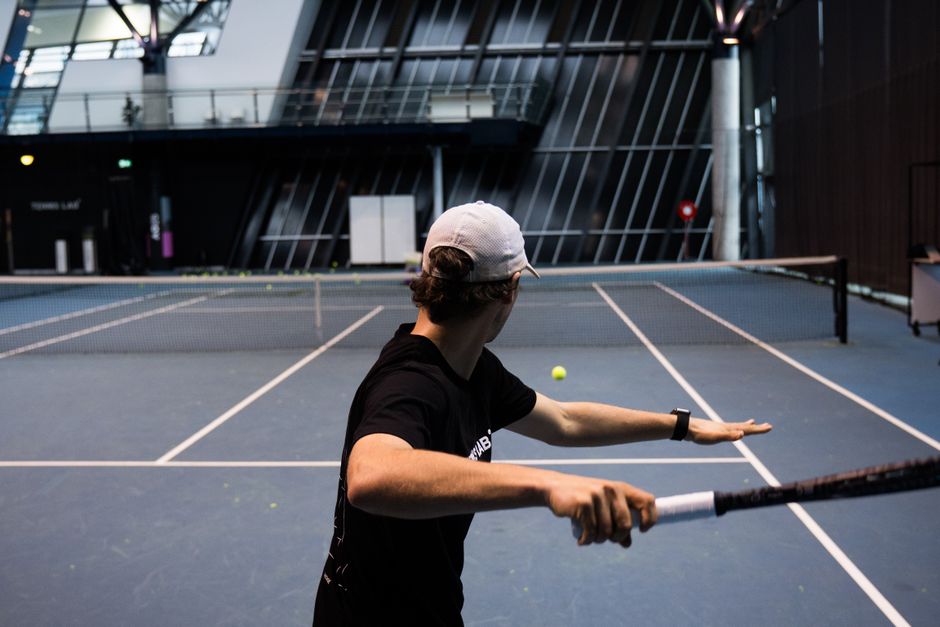
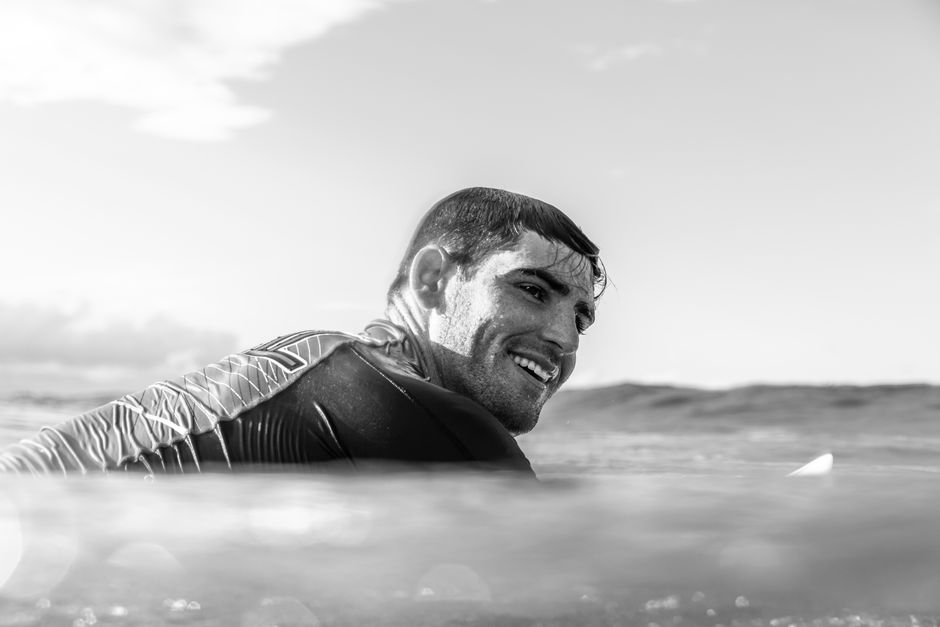
On any given Saturday morning, the fields around Tallebudgera Valley and Ashmore overflow with children in club colours—soccer boots muddy, cricket bats swinging, netball bibs catching the subtropical sun. This is where Gold Coast's sporting future takes shape, far removed from professional stadiums and sponsorship deals.
The backbone of this movement is the humble grassroots club. Organisations like the Gold Coast District Junior Soccer League, operating from modest grounds across suburbs like Robina and Southport, have grown to service over 3,000 young players annually. Annual registration fees typically range from $45 to $85 per child, a seemingly modest investment that funds volunteer coaches, equipment, and field maintenance.
"What people don't see is the work happening in sheds and living rooms," says the coordinator of a northern suburbs netball club, reflecting the reality across the region. Club committees meet fortnightly, fundraise through sausage sizzles and trivia nights, and maintain ageing clubhouses that have served their communities for decades.
The Gold Coast's rapid population growth—now exceeding 650,000—has placed strain on this volunteer-dependent system. New suburbs like Coomera and Ormeau are still establishing sporting infrastructure, with grassroots clubs racing to fill gaps before demand outpaces facilities. Council-allocated fields at venues like Austinvilla Recreation Reserve have become increasingly contested, with multiple clubs sharing limited timeslots.
Yet innovation persists. Several clubs have partnered with local schools to access underutilised oval space during weekday evenings, extending playing opportunities. Junior Little Athletics clubs operating across the coast's beaches report waiting lists, reflecting renewed family interest in community sport following pandemic disruptions.
The financial reality, however, remains precarious. Volunteer insurance costs, equipment replacement, and field hire fees consume modest club budgets. Most clubs operate on annual turnovers under $20,000, relying heavily on parent volunteers who juggle coaching commitments alongside their own employment.
What emerges from these fields, though, transcends competition results. Children develop fitness, friendship, and resilience—outcomes increasingly valuable as youth mental health becomes a community priority. Local coaches, many with no formal qualifications beyond passion, model discipline and inclusivity.
The Gold Coast's reputation as a sporting city rests not on its professional teams alone, but on these unglamorous Saturday mornings when a child first learns to work within a team, to respect a coach, to celebrate effort over perfection. This is where champions—and simply healthy, happy young people—are genuinely made.
This article was compiled by AI from the sources linked above and screened before publishing. See our editorial standards.