From Tallebudgera Ovals to State Glory: The Grassroots Story Behind Gold Coast's Community Sport Movement
Volunteer-run clubs across the city are quietly building tomorrow's champions, one training session at a time.
Volunteer-run clubs across the city are quietly building tomorrow's champions, one training session at a time.
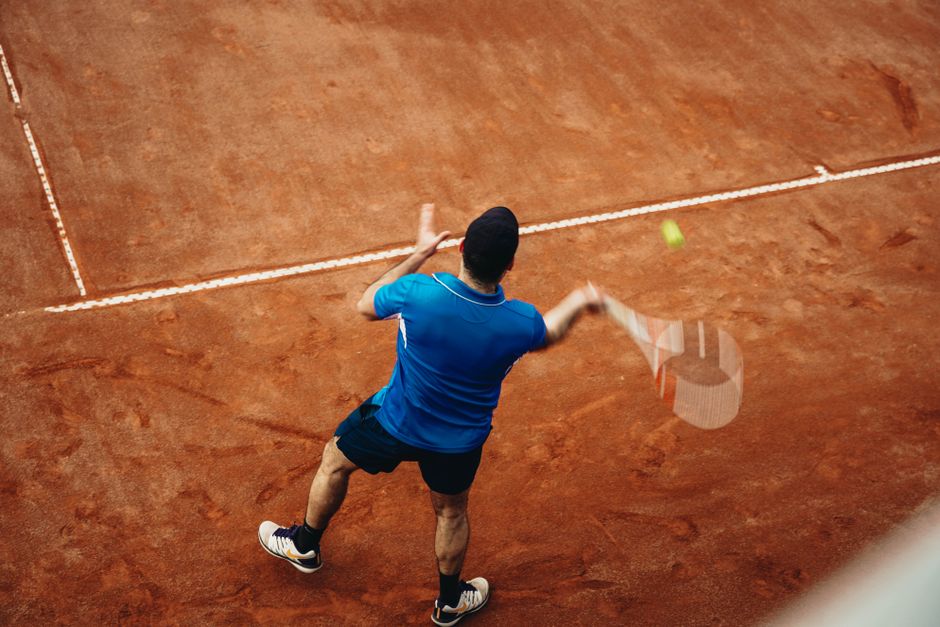
Walk past the oval at Tallebudgera Valley Sports Club on a Saturday morning and you'll witness the true heartbeat of Gold Coast sport. Dozens of junior athletes sprint, pass and strategise under the subtropical sun, cheered on by parents clutching takeaway coffee cups and siblings sprawled across the grass. This scene, replicated across dozens of venues from Southport to Surfers Paradise, represents something far larger than weekend recreation—it's the foundation upon which elite athletic careers are built.
The grassroots sports movement on the Gold Coast has grown exponentially over the past decade, driven almost entirely by community volunteers rather than corporate sponsorship or government funding alone. Local data reveals that approximately 45,000 young athletes participate in registered club competitions across the city annually, with participation rates climbing 12 per cent since 2019. Yet behind these figures lies an untold story of dedicated coaches, treasurers and administrators working evenings and weekends to keep grassroots sport alive.
"Volunteer burnout is real," says one long-serving club official who preferred anonymity. Membership fees—typically $180 to $380 per season depending on the sport—fund basic operations, but rarely stretch to facility upgrades, equipment replacement or coach development programmes. Many clubs operate on razor-thin margins, with fundraising barbecues and raffles subsidising the gap between revenue and genuine costs.
Yet the model works. Consider Broadbeach Junior Rugby League, based near the Kurrawa precinct, where participation has swelled from 120 players in 2020 to nearly 350 today. Similar growth characterises cricket clubs in Nerang, netball associations in Ashmore, and athletics programmes spanning Carrara to Labrador. These organisations serve not merely as talent pipelines but as critical social infrastructure, providing structured activity, mentorship and belonging to young people across all demographics.
The challenge ahead is sustainability. As volunteer coordinators age out and workplace demands intensify, recruitment of the next generation of grassroots administrators has become urgent. Several clubs have begun formalising volunteer training, offering coaching accreditation pathways and creating tiered leadership roles to distribute workload more equitably.
The Gold Coast's reputation as a sports city rests significantly on this invisible foundation. Every state representative athlete, every junior champion, every child discovering their passion on these local ovals owes an immeasurable debt to the volunteers who keep grassroots sport functioning. Without continued investment in these community foundations—whether through grants, corporate partnerships or municipal support—that pipeline will inevitably contract, diminishing both the city's athletic future and its social fabric.
This article was compiled by AI from the sources linked above and screened before publishing. See our editorial standards.
Spread the word
About this article
Published by The Daily Gold Coast
Daily brief
Free, in your inbox before 7am. Weekdays.
More from Gold Coast