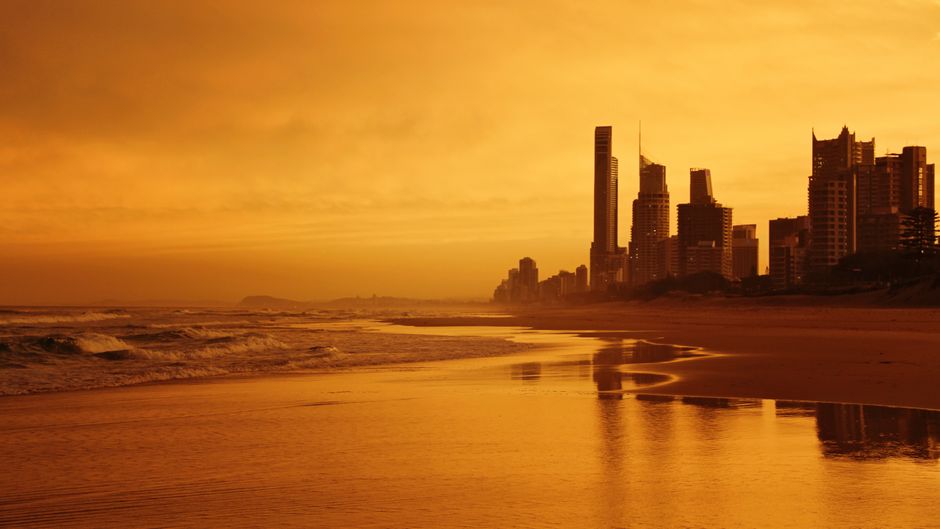
The Gold Coast's reputation as a fitness and wellness hub has been reinforced by a sustained investment in sports infrastructure that's keeping pace with surging demand from locals and tourists alike.
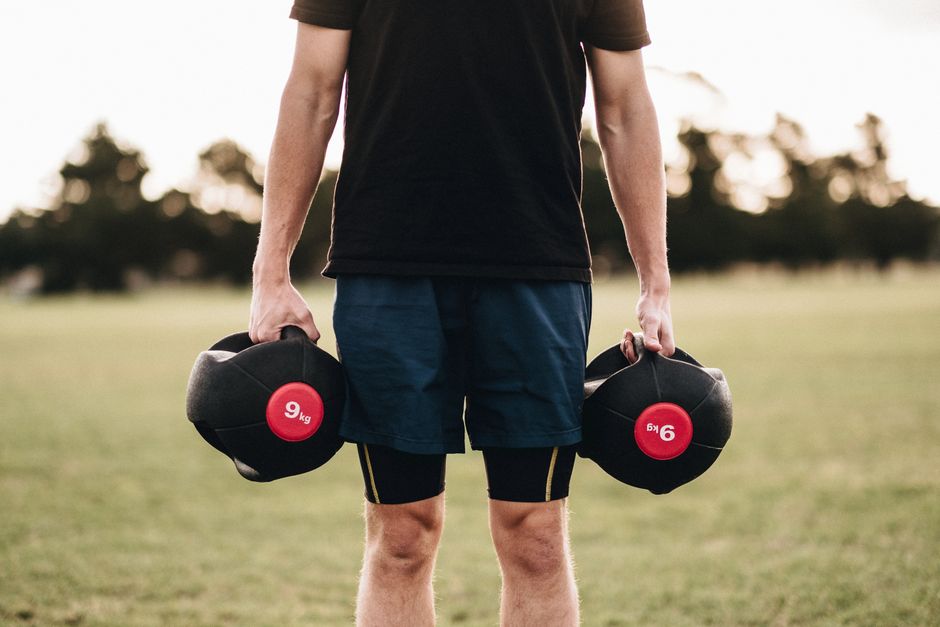
The opening of state-of-the-art facilities across Surfers Paradise, Broadbeach and Southport has transformed the city's training landscape. Major chains have expanded their presence, with premium gyms now offering everything from traditional strength training to boutique classes in yoga, cycling and functional fitness. Membership growth across the sector has outpaced national averages, with industry observers crediting the city's health-conscious culture and year-round climate.
The Gold Coast's beachside suburbs have become particularly attractive for specialist venues. Broadbeach has emerged as a hub for high-intensity training facilities, while Surfers Paradise continues to attract premium wellness centres targeting both serious athletes and casual fitness enthusiasts. Monthly membership costs typically range from $40 to $150 depending on facility tier and offerings, with premium locations commanding higher rates.
Beyond commercial gyms, the city's council-run leisure centres have undergone significant upgrades. Facilities across Ashmore, Nerang and Coomera now feature modernised equipment and expanded program offerings, providing more affordable options for residents. These venues remain critical infrastructure, particularly for community programs and youth development pathways.
The expansion has been driven partly by the city's growing population—currently exceeding 650,000—but also by international recognition of Gold Coast as a sporting destination. Investment in training facilities has complemented the city's existing advantages: consistent sunshine, proximity to world-class natural training environments like the Tallebudgera Valley, and accessibility to coastal waters for aquatic training.
Property developers have capitalised on this trend, with gym facilities increasingly integrated into residential and commercial projects along the coastal corridor. The integration of fitness infrastructure into mixed-use precincts represents a shift toward lifestyle-oriented development.
Local fitness professionals note that infrastructure quality remains crucial for attracting elite athletes and hosting training camps. The diversity of available facilities—from CrossFit boxes to Olympic-standard aquatic centres—has positioned Gold Coast competitively against other Australian cities.
Looking ahead, further expansion appears inevitable. Council planning documents indicate continued investment in leisure facilities across growth corridors, while private sector competition shows no signs of cooling. For residents and visiting athletes, the proliferation of choice reflects a city increasingly committed to supporting fitness culture at every level.
This article was compiled by AI from the sources linked above and screened before publishing. See our editorial standards.