property
Gold Coast Rental Vacancy Hits Crisis Point as Renters Battle Buyers for a Foothold
With vacancy rates at historic lows and median rents climbing well above national averages, the Gold Coast's rental market has become a full-contact sport, and prospective tenants are losing.
How we reported this
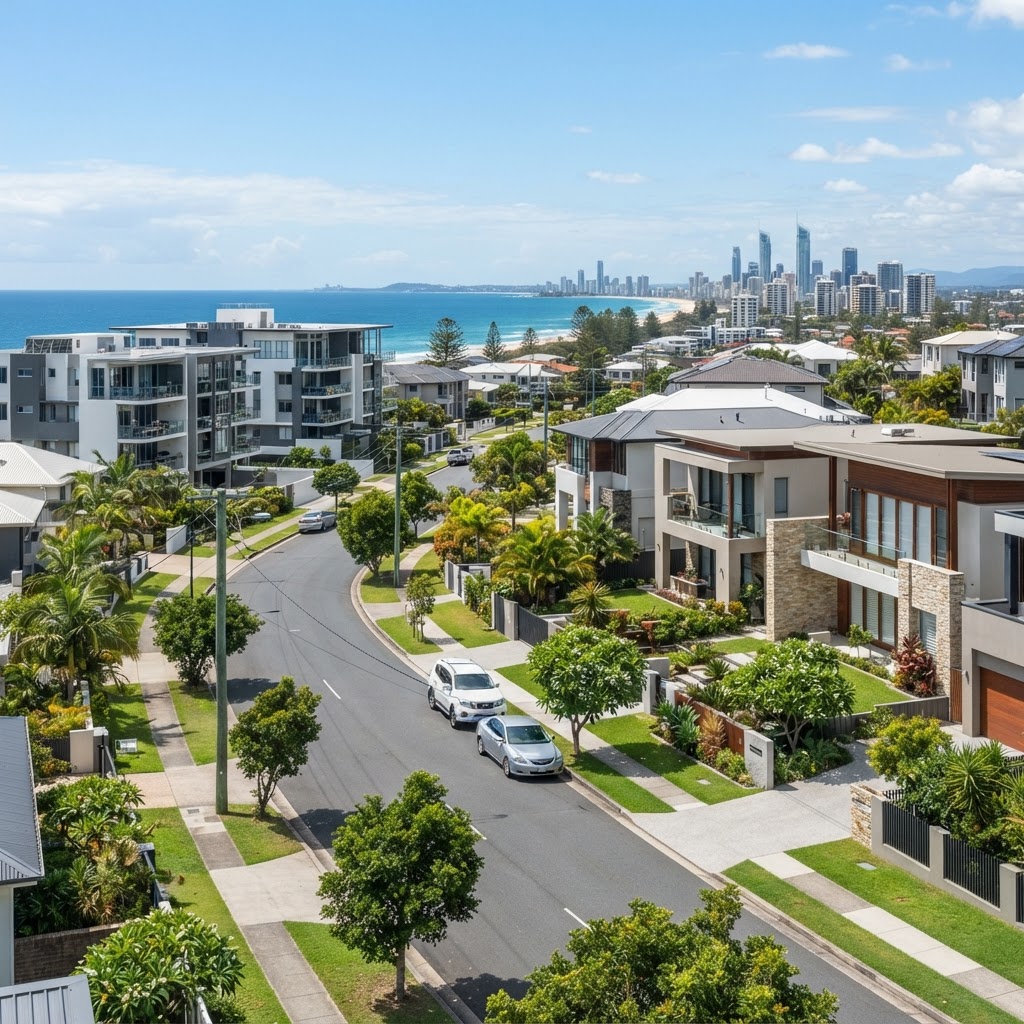
Finding a rental on the Gold Coast right now means submitting applications before the inspection, offering above the asking price, and still walking away empty-handed. Vacancy rates across the city have hovered around or below one per cent for much of 2025 and into 2026, according to property data tracked by SQM Research, a figure that industry observers typically describe as a landlord's market in the extreme. For a city of more than 600,000 people that added tens of thousands of new residents in the post-pandemic years, the pipeline of rental stock has simply not kept pace.
This matters now because the pressure is compounding. Tourism recovery has returned short-stay demand through platforms such as Airbnb, pulling properties that might otherwise have entered the long-term rental pool into holiday letting. The 2032 Brisbane Olympic and Paralympic Games continue to attract interstate workers and contractors to South East Queensland, many of whom land on the Gold Coast first and look for a base. And the Queensland government's infrastructure investment corridor, stretching from Coomera through Robina to Coolangatta, is drawing construction and trade workers who need affordable housing close to worksites.
Broadbeach to Burleigh: Where the Pressure Is Worst
The squeeze is not uniform. Beachside suburbs such as Broadbeach and Burleigh Heads, where lifestyle demand from both renters and buyers converges, are running almost completely dry. A two-bedroom unit within walking distance of the Broadbeach Mall precinct or the Burleigh Heads National Park foreshore can now command weekly rents well north of $700, a figure that would have seemed improbable five years ago. The Robina Town Centre catchment and the Varsity Lakes precinct, popular with families priced out of the coast itself, are also seeing fierce competition, with multiple applicants routinely chasing each available property.
The Real Estate Institute of Queensland tracks vacancy data quarterly, and the Gold Coast corridor has repeatedly registered among the tightest rental markets in the state. PropTrack's April 2026 market update noted the Queensland median advertised weekly rent for houses had risen sharply year-on-year, with coastal lifestyle markets outpacing the state figure. Against a Queensland-wide median house price sitting around $850,000, the arithmetic for renters hoping to transition into ownership has become punishing. A household needing to save a 20 per cent deposit on an $850,000 property must accumulate $170,000, while simultaneously absorbing rent increases that have eaten into saving capacity.
Why Buyers Haven't Solved the Problem by Leaving the Rental Market
Logic suggests that as more renters become buyers, rental demand should ease. It hasn't worked that way here. Three forces explain the gap. First, the Gold Coast's owner-occupier purchase rate has been partly offset by investors buying and immediately converting properties to short-stay accommodation. Second, new apartment completions, particularly in the Southport central activity area, where several high-rise projects reached completion through 2025, have been absorbed quickly, with minimal impact on vacancy because population growth has continued at pace. Third, mortgage serviceability remains a genuine barrier: even for households earning dual incomes, the monthly repayment on a median-priced Gold Coast home at current interest rate settings stretches most budgets beyond comfort.
For renters navigating this environment, a few practical realities apply. Properties in the Coomera and Pimpama growth corridor, further north toward the boundary with Logan, continue to offer the most accessible entry point, weekly rents for three-bedroom houses in that corridor remain measurably lower than coastal counterparts, and proximity to the Coomera Train Station makes a commute south feasible. The Queensland government's RentConnect program provides tenants in financial hardship with support for bond and advance rent, and the Gold Coast City Council's community housing partnerships are expanding, though wait times remain long. Getting pre-qualified for a rental, having bond funds, references, and identification ready to submit digitally at the moment a listing goes live, has become the minimum standard, not an advantage.
The vacancy rate will not move meaningfully until supply does. That means either new builds entering the long-term rental pool at scale, or short-stay properties being brought back into permanent tenancy, neither of which appears imminent before the next Olympic construction wave arrives.
This article is general information only and is not personal financial or investment advice. Consider your own circumstances and seek licensed professional advice before making financial decisions.