Gold Coast Planning Overhaul Triggers Market Jitters and New Opportunities
Changes to development policy and fresh planning decisions reshape the property landscape, driving investor caution and sparking fresh interest in key Gold Coast hotspots.
Changes to development policy and fresh planning decisions reshape the property landscape, driving investor caution and sparking fresh interest in key Gold Coast hotspots.
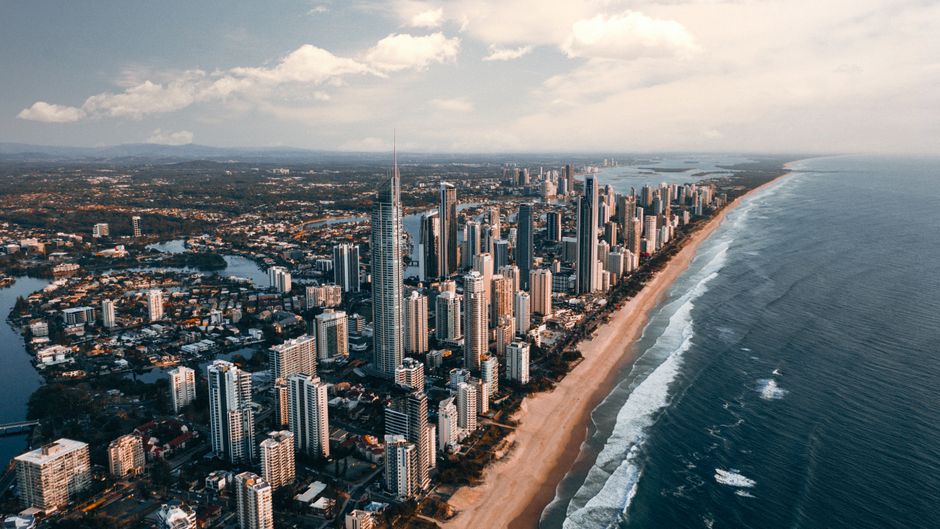
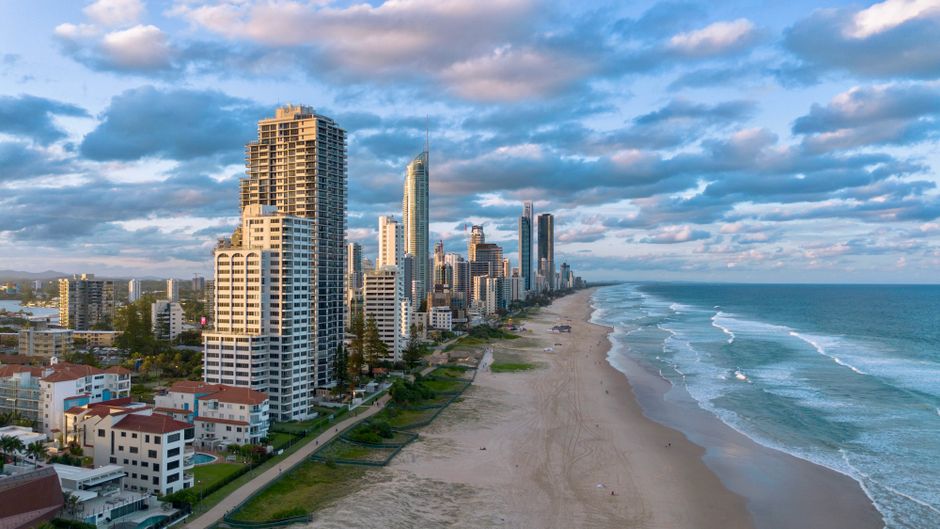
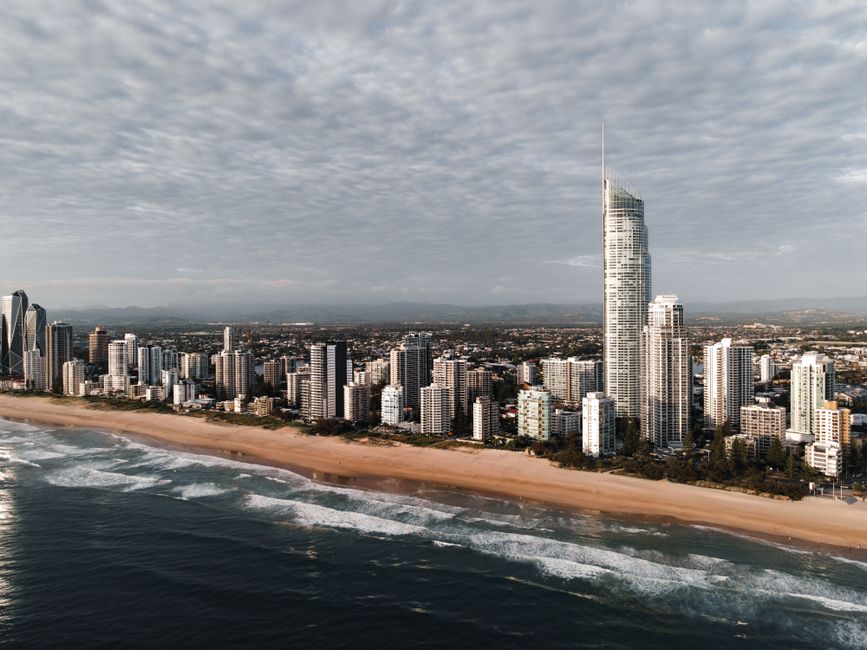
Gold Coast City Council has just endorsed a sweeping revision of its planning scheme, aiming to reshape future development along the coast—sending ripples through both the local property market and its investor community this week.
The latest amendments, ratified at last night’s council meeting, introduce tighter regulations on high-rise approvals along sections of Surfers Paradise and Main Beach, while easing some density restrictions in central Broadbeach and Burleigh Heads. The goal, according to city planners, is to strike a balance between ongoing demand for luxury apartments and long-term liveability on the rapidly growing coast.
Developers with their eyes on the Broadbeach to Burleigh corridor are now assessing project viability in light of the policy shake-up. Notably, the new rules provide for height relaxations within 500 metres of key tram stops along the Gold Coast Light Rail line, with the explicit aim of funnelling future growth toward areas underpinned by transport infrastructure. Existing proposals for several towers along Old Burleigh Road, including the 45-storey Aria Group project and a 35-storey DKO-designed tower, are likely to be fast-tracked under transitional arrangements announced on July 1. Meanwhile, a planned 60-storey tower at 3 Tedder Avenue in Main Beach faces possible redesign to comply with the stricter height limits introduced for that precinct.
The revised scheme has also signalled the roll-out of mandatory affordable housing percentages for projects above eight storeys in Southport and Labrador. City of Gold Coast Director of Planning Marcus Brown said the Council will begin enforcing these quotas later this year, a move he describes as "essential to keeping key worker housing within reach."
Latest CoreLogic data shows median property values across the Coast hit $853,240 in June—still nearly 5% above last year’s levels, but agencies like McGrath and Professionals Mermaid Beach report a spike in buyers adopting a more cautious stance since rumours of the planning update began circulating. In Burleigh Heads, weekly auction clearance rates have dipped below 60% for three consecutive weeks, compared to more than 70% in May. Local buyers’ agent Michelle Trent says many investors are holding off on new acquisitions until they can see how the first wave of planning applications fares under the new regime.
On the flipside, the looser density limits—a particular win for properties near Pacific Fair and The Star Gold Coast—have fuelled fresh interest among developers focused on downsizer and lifestyle-driven buyers, a demographic that has been especially active since the city’s tourism bounce-back post-COVID. Residential approvals in the Broadbeach precinct alone surpassed 1,400 new units in the 12 months to March, according to council figures, suggesting ongoing appetite in those select pockets where regulations now favour increased supply.
For local property owners, the immediate advice is to check the new planning maps released on the Council’s City Plan hub and consult a planning professional before lodging any change-of-use or redevelopment applications. The City of Gold Coast has scheduled a series of drop-in information sessions at the Southport Community Centre throughout July. The next major council review of the planning scheme won’t take place before mid-2029, so market watchers say this current window represents a key turning point—whether for opportunistic buying, asset repositioning, or development application strategy.
Spread the word
About this article
Published by The Daily Gold Coast
Daily brief
Free, in your inbox before 7am. Weekdays.
More from Gold Coast