Gold Coast Renters Are Fighting for Every Listing as Vacancy Rates Hit Crisis Levels
With rental vacancy sitting below one percent across key suburbs, the maths on renting versus buying has never been more brutal — or more complicated.
With rental vacancy sitting below one percent across key suburbs, the maths on renting versus buying has never been more brutal — or more complicated.
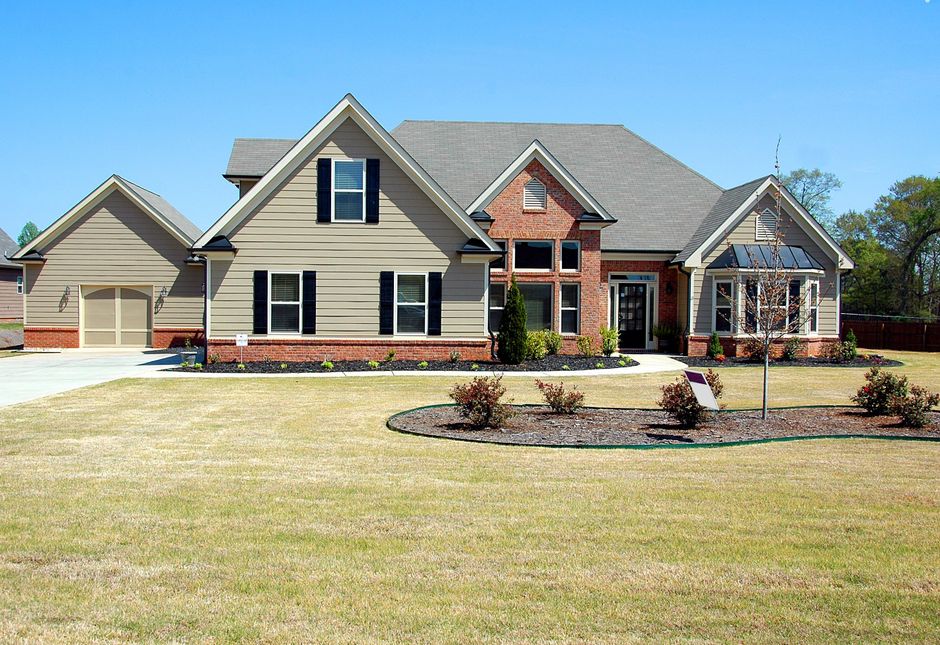
The Gold Coast rental market has a vacancy rate of 0.8 percent across the city's most sought-after coastal suburbs, according to figures compiled by the Real Estate Institute of Queensland for the June 2026 quarter. That number — barely above zero — means prospective tenants are competing against dozens of other applicants for every available property, and the pressure is reshaping how locals think about buying versus renting altogether.
This matters right now because Queensland's median dwelling price has pushed past $850,000 citywide, and the stamp duty burden on a typical Gold Coast purchase now adds tens of thousands of dollars to an already steep upfront cost. Families who might have considered renting as a stopgap while they saved a deposit are instead discovering that the stopgap has become a trap: rents have climbed so aggressively that saving anything meaningful each month has become nearly impossible for households on average incomes.
Two suburbs tell the story clearly. In Broadbeach, a standard two-bedroom apartment on Surf Parade is now routinely asking $750 a week — up from roughly $560 two years ago. In Burleigh Heads, three-bedroom houses within walking distance of the James Street café strip are regularly drawing 30-plus applications within 48 hours of listing. Property management agencies along the Pacific Motorway corridor report their available rental rolls have shrunk by more than 20 percent since early 2024, partly because landlords are exiting the market and partly because short-stay platforms like Airbnb continue to absorb stock that would otherwise hit the long-term rental pool.
The city's tourism recovery has accelerated that dynamic. The Gold Coast Convention and Exhibition Centre at Broadbeach brought in a record number of conferences during the first half of 2026, sustaining demand for short-term accommodation and keeping investor calculations tilted toward holiday letting rather than residential tenancies. For renters without the deposit, the credit history, or the income multiple required for a mortgage, those investor decisions are the difference between having a home and not having one.
Buying isn't the straightforward escape hatch it might appear. A first-home buyer targeting a median-priced property on the Gold Coast now faces stamp duty of approximately $15,500 under Queensland's current sliding scale — and that figure climbs sharply once a purchase crosses the $700,000 threshold that triggers full duty. Add lender's mortgage insurance for anyone borrowing above 80 percent of the purchase price, and the cash-to-entry figure for a modest unit in a suburb like Robina or Coomera can exceed $60,000 before a single mortgage repayment is made.
The Queensland Housing Investment Fund, which the state government expanded in late 2025 with an additional $2 billion allocation, was supposed to ease pressure at the affordable end. Construction timelines have pushed most of that new social and community housing stock well past 2027, offering cold comfort to anyone currently on a lease expiring in October.
For renters who cannot yet buy, the practical options are narrowing fast. Advocates at Gold Coast Community Legal Centre on Ferry Road in Southport are advising tenants to lock in lease extensions before expiry where landlords will agree, and to treat any rent increase notice as an opening negotiation rather than a fixed outcome — a tactic that works better in a 0.8 percent vacancy market than it sounds. Those actively saving for a deposit should model their purchase timeline against suburbs like Pimpama or Ormeau, where entry prices remain below $700,000 and full stamp duty thresholds haven't yet been breached. The window in those outer corridors won't stay open indefinitely, but for now it remains the most viable on-ramp for buyers priced out of the coast's glamour postcodes.
Spread the word
About this article
Published by The Daily Gold Coast
Daily brief
Free, in your inbox before 7am. Weekdays.
More from Gold Coast


