New Tower Approved for Broadbeach: What It Means for the Gold Coast Apartment Market
A freshly approved high-rise on the northern edge of Broadbeach is set to reshape supply dynamics in one of Queensland's tightest residential markets.
A freshly approved high-rise on the northern edge of Broadbeach is set to reshape supply dynamics in one of Queensland's tightest residential markets.
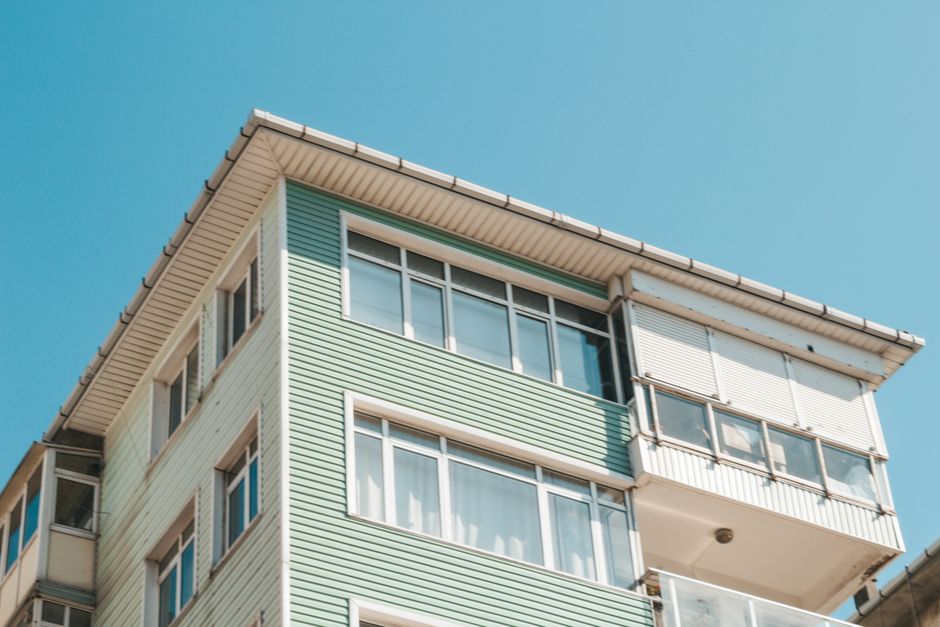
A 42-storey residential tower has received development approval from the Gold Coast City Council, with the project slated for a site on Queensland Avenue in Broadbeach, less than 300 metres from the Pacific Fair shopping centre. The development, comprising 186 apartments across a mix of one-, two- and three-bedroom configurations, is expected to begin construction in the first quarter of 2027, with completion pencilled in for late 2029.
The timing matters. Gold Coast's apartment vacancy rate sat at just 1.1 per cent as of the June 2026 quarter, according to the Real Estate Institute of Queensland, and median unit prices across the city have climbed to approximately $780,000 — up 11 per cent year-on-year. New supply of any meaningful scale has been painfully slow to arrive. The last major residential tower to complete in Broadbeach was the 34-storey Dorsett-branded development on Surf Parade, which handed over keys in early 2024 and sold out within six months of launch.
Broadbeach has effectively become the epicentre of Gold Coast's apartment squeeze. The suburb sits between the convention centre precinct to the north and the Kurrawa surf lifesaving club to the south, hemmed in by the beach on one side and the light rail corridor on the other. Available land is scarce, which is precisely why this Queensland Avenue site — a former commercial building that has sat vacant since 2022 — drew three competing developer bids before council granted approval this week.
The Gold Coast Light Rail Stage 3 extension, which pushed the G:link network south to Burleigh Heads last year, has compounded demand pressure in every suburb along the corridor. Agents at Kollosche and Harcourts Coastal, two of the city's most active apartment brokerages, have both reported inquiry volumes running 30 to 40 per cent above their 2024 benchmarks for off-the-plan stock between Broadbeach and Mermaid Beach.
The downsizer cohort is a significant driver. Baby boomers selling family homes in suburbs like Robina and Mudgeeraba — where four-bedroom houses on 600-square-metre blocks are still trading around the $1.1 million mark — are cashing out and looking to lock in coastal apartments. Many are discovering that the competition for quality stock is fierce and the price gap between what they're selling and what they want to buy has narrowed uncomfortably.
Pre-sales data from comparable recent projects offers a useful benchmark. The Oracle tower in Broadbeach — one of the suburb's landmark dual-tower developments from the early 2010s — has seen resale prices for two-bedroom units exceed $1.2 million this year, roughly double their original off-the-plan price. Three-bedroom configurations in newer buildings along The Esplanade are regularly trading above $1.8 million.
The Queensland Avenue project is expected to bring three-bedroom apartments to market in the $1.35 million to $1.6 million range on pre-sale terms, with two-bedders starting around $890,000. Those figures represent a modest discount to comparable completed stock — the standard incentive structure developers use to fund construction finance — but buyers will need to sit with that capital for roughly two and a half years before settlement.
Stamp duty is a live cost consideration. A $1.4 million apartment purchase triggers a Queensland transfer duty bill of around $62,000 for an investor, or approximately $54,850 for an owner-occupier. The state government's first home concession doesn't apply to purchases at that price point, meaning buyers need to factor duty into their budgeting from day one.
For anyone watching this development and weighing whether to jump in, the practical calculus comes down to two things: off-the-plan risk tolerance and timeline flexibility. Buyers who can commit now, secure pricing below the likely 2029 completion value, and hold through the construction period are generally better positioned than those waiting for finished stock in a market where new listings stay live for an average of just 18 days. The Queensland Avenue tower won't solve the Gold Coast's supply problem, but it's a real addition to a pipeline that the market desperately needs.
Spread the word
About this article
Published by The Daily Gold Coast
Daily brief
Free, in your inbox before 7am. Weekdays.
More from Gold Coast


