Gold Coast Council Rewrites the Density Rules — and Developers Are Already Repositioning
Sweeping amendments to Gold Coast City Plan's height and setback provisions are reshaping what gets built, where, and at what cost.
Sweeping amendments to Gold Coast City Plan's height and setback provisions are reshaping what gets built, where, and at what cost.
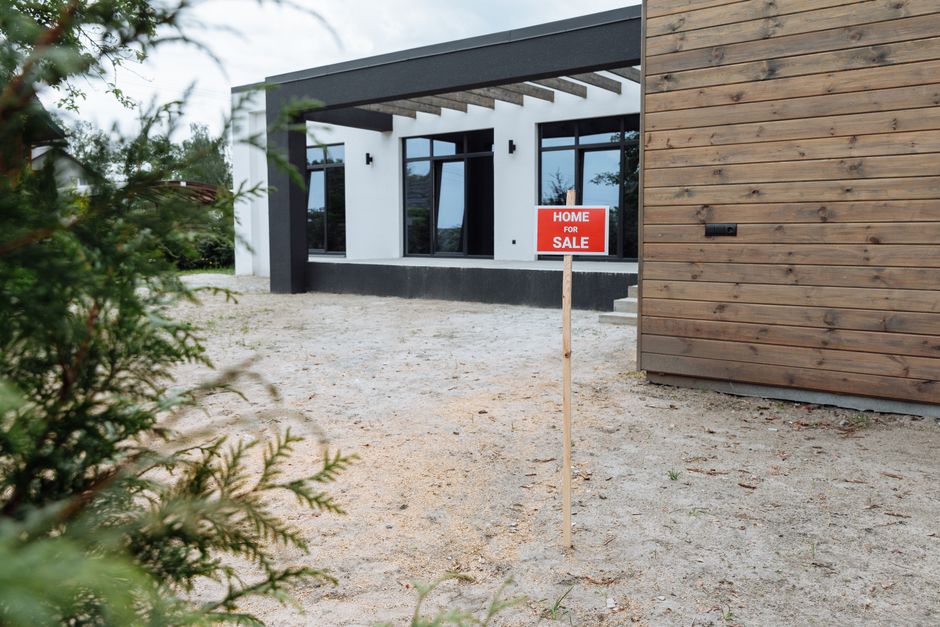
Gold Coast City Council has pushed through a package of amendments to its City Plan 2016 that tightens design standards and recalibrates allowable densities across several key precincts, catching developers mid-application and forcing some project teams back to the drawing board. The changes, which took effect on June 30, introduce stricter podium height limits in medium-density zones, revised tower separation requirements, and new mandates around publicly accessible ground-floor activation — rules that will filter through nearly every development application lodged from July 1 onwards.
The timing matters. Southeast Queensland is still absorbing record population growth, and Gold Coast's median dwelling price is sitting around $850,000, according to CoreLogic data from the June quarter. Construction pipelines are stretched, build costs remain elevated, and any planning shift that forces a redesign can wipe six to twelve months off a project's delivery date. Council insists the changes are necessary to prevent the kind of poorly articulated streetscapes that have already landed on the southern end of the Gold Coast Highway through Broadbeach. Critics in the development industry say the new rules add complexity at the worst possible moment.
The amendments carve most deeply into the High Density Residential zone covering parts of Surfers Paradise, Broadbeach, and Main Beach. Under the revised provisions, towers above 15 storeys must now achieve a minimum 6-metre side boundary setback above the podium level — up from 4 metres under the previous code. Ground-floor tenancies facing primary street frontages of more than 25 metres must include active uses such as retail, hospitality, or community facilities, rather than carparking entries or blank walls. That last rule has immediate consequences for projects on streets like Ferny Avenue in Surfers Paradise and Oracle Boulevard in Broadbeach, where several applications currently in the system rely on ground-level carpark entries facing the street.
The Burleigh Heads local centre and the emerging Kirra Beach precinct are also affected through a separate set of character provisions. Council's planning department flagged in its explanatory documents that a cluster of four-storey walk-up apartment applications in the streets around Goodwin Terrace, Burleigh Heads, had tested the limits of what the existing low-medium density code was designed to handle. The new character overlay imposes a 9-metre front setback minimum with deep-soil planting requirements in that pocket, which effectively kills off the tight-site apartment model that had become common there over the past two years.
The Urban Development Institute of Australia Queensland chapter confirmed in a statement released on July 2 that it had met with council officers twice during the drafting phase and secured some modifications to the original proposal — notably a carve-out for sites already under a Material Change of Use approval. That protection matters enormously for projects like the mixed-use tower approved for the Niecon Plaza site on Victoria Avenue, Broadbeach, which had been banking on the previous podium rules. Sites without existing approvals face a full redesign process.
From a buyer's perspective, the changes create a paradox familiar to anyone who has watched Southeast Queensland planning cycles. Stricter design rules tend to lift the long-run amenity and therefore the value of new stock — but they also slow supply and push land holders to re-test their prices upward to cover the added design and holding costs. On the Gold Coast, where downsizer demand from interstate migrants remains one of the dominant buying forces, any supply compression in the Broadbeach-to-Burleigh corridor will filter quickly into price pressure on completed stock.
Applicants with live development applications should get independent town planning advice within the next 30 days. Council's planning department is running two information sessions for industry — July 16 and July 23 at the Evandale Place offices on Evandale Street, Bundall — where officers will work through the transitional provisions in detail. For buyers sitting on contracts for off-the-plan apartments, the key question is whether the project holds an existing approval. If it does, the new rules don't apply. If the developer is still working through the approval process, delivery timelines may have just grown longer.
Spread the word
About this article
Published by The Daily Gold Coast
Daily brief
Free, in your inbox before 7am. Weekdays.
More from Gold Coast


