Coomera Property Prices: Light Rail's Impact on Gold Coast
Gold Coast Light Rail Stage 3 extension to Coomera by 2031 is driving affordability in this emerging commuter hub, with median prices $170k below Queensland average.
Gold Coast Light Rail Stage 3 extension to Coomera by 2031 is driving affordability in this emerging commuter hub, with median prices $170k below Queensland average.
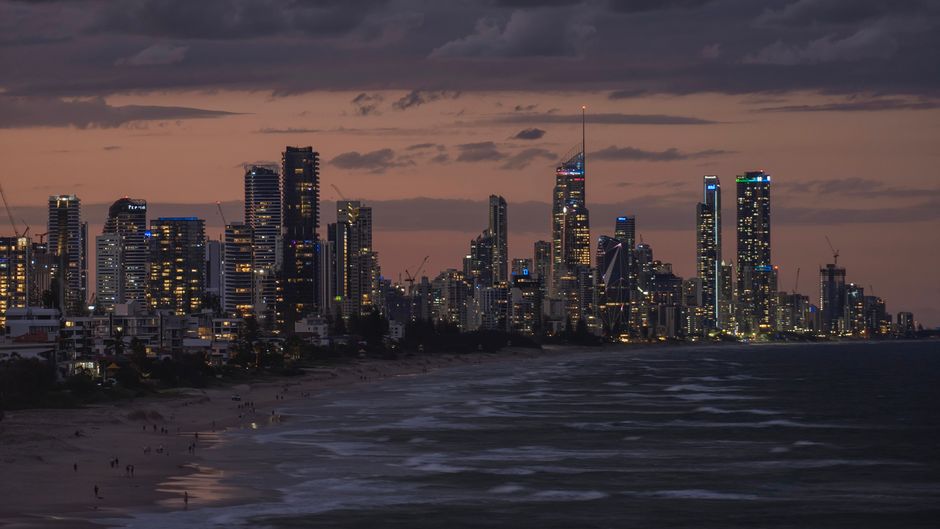
For years, Coomera has sat in the shadow of Broadbeach's glittering beachfront and Burleigh Heads' village charm. But a transformative transport investment is quietly rewriting the suburb's future, positioning it as the Gold Coast's emerging commuter alternative—where median prices hover around $680,000, some $170,000 below the Queensland average.
The Gold Coast Light Rail Stage 3 extension, currently in the design phase with federal and state funding locked in, will connect the existing Helensvale terminus to Coomera and beyond by 2031. The 9.5-kilometre corridor will thread through established residential areas, industrial zones and new mixed-use precincts, fundamentally altering transport accessibility for 50,000 residents within the catchment.
"This isn't just about trains," explains local urban planning analyst Maria Chen. "It's about unlocking value in land that's currently underutilised. Developers are already positioning projects around proposed stations." The Coomera Station precinct, anchored by the M1 motorway interchange and Westfield Coomera, is emerging as a focal point for medium-density residential and commercial investment.
The shift mirrors patterns seen across Australia's transport-driven suburbs. In comparable markets, light rail proximity typically adds 8-12 per cent to property values within 800 metres of stations. For Coomera—where entry-level homes and townhouses currently start under $550,000—that represents meaningful appreciation potential without the lifestyle trade-offs of inner-city density.
Young families are already responding. Schools including Coomera State School and Helensvale High School are experiencing enrolment pressure, while suburban retailers along Mount Cotton Road and Foxwell Road report increased foot traffic. The proposed station at Prince Street would sit within walking distance of Memorial Park, a 37-hectare recreational precinct increasingly popular with young parents seeking affordable suburbs with community infrastructure.
Downsizers represent another growth cohort. With beachside apartments commanding $1.2 million-plus, older residents are discovering Coomera's combination of lower entry prices, convenience and proximity to medical services at Gold Coast University Hospital in nearby Southport.
Planning approvals for residential projects along the rail corridor are accelerating. Several developers have lodged applications for mixed-use sites near the proposed Coomera and Molendinar stations, flagging apartment blocks, townhouse complexes and commercial ground floors aimed squarely at commuters seeking sub-hour access to Brisbane via the M1.
Not everyone welcomes rapid change. Long-term residents express concerns about congestion on local roads and character shift. Council is balancing growth management with infrastructure sequencing—a familiar tension as transport investment collides with community expectations.
Still, the arithmetic is compelling. As rate rises digest and buyer appetite stabilises, suburbs like Coomera offering transport access, affordability and established amenities are capturing attention from investors priced out of traditional hotspots. The rail link simply accelerates an inevitable evolution.
This article was compiled by AI and screened before publishing. See our editorial standards.
Spread the word
About this article
Published by The Daily Gold Coast
Daily brief
Free, in your inbox before 7am. Weekdays.
More from Gold Coast