Gold Coast renters face sharper affordability squeeze than regional Queensland rivals
As capital cities pull back, lifestyle hotspots like Broadbeach and Surfers Paradise are emerging as pricier rental markets than smaller regional centres, reshaping where young professionals choose to live.
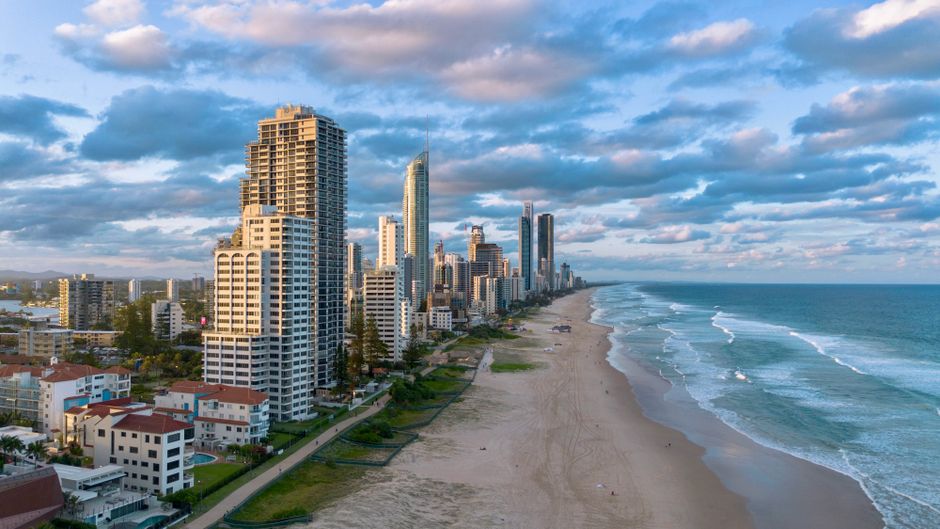
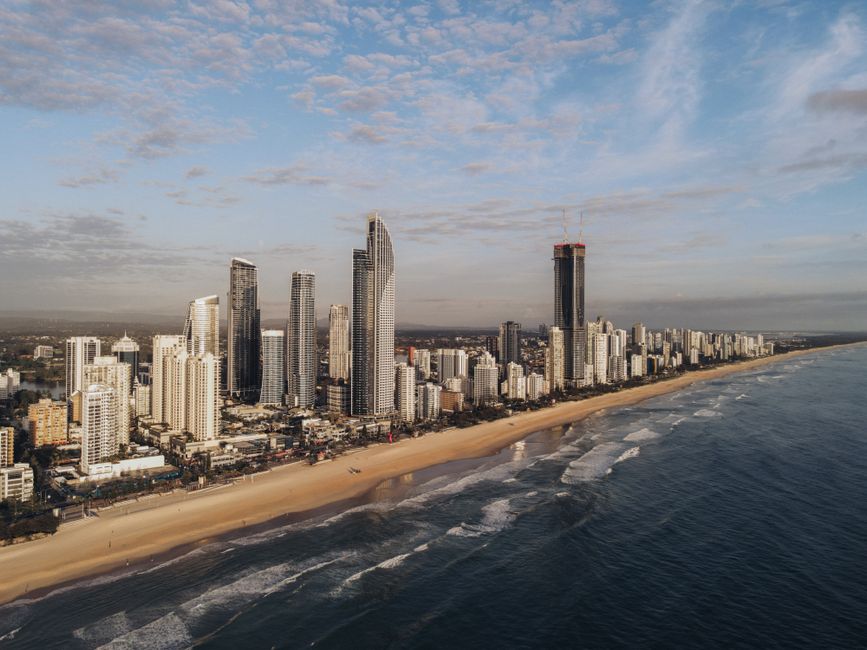
The rental affordability crisis gripping Australia's capitals has largely spared regional Queensland—but not the Gold Coast. New analysis reveals a curious divergence emerging across the state: while inland regional centres offer breathing room for renters, the Gold Coast's tourism-driven economy is pushing weekly rents toward levels that rival struggling Sydney suburbs.
Current median weekly rents in Broadbeach hover around $520–$580 for a two-bedroom apartment, a figure that has climbed steadily as international tourism recovers and short-term rental demand intensifies. Meanwhile, comparable properties in Toowoomba or the Mackay region rent for $350–$420 weekly. For someone earning $65,000 annually, that difference consumes an extra $100 per week—or roughly $5,200 annually—with flow-on effects for savings and financial security.
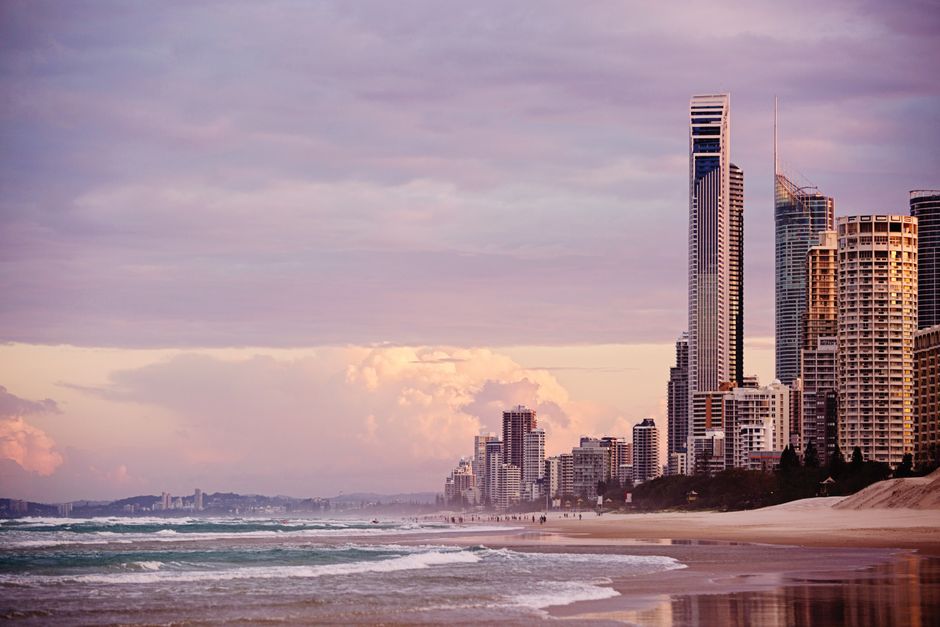
The Gold Coast's rental squeeze stems from structural peculiarities absent in quieter regional markets. Tourism infrastructure, holiday letting, and developer incentives for short-term accommodation have compressed long-term rental stock in beachside pockets like Surfers Paradise and Burleigh Heads. Simultaneously, lifestyle migration—downsizers from southern capitals and remote workers seeking warm weather—has lifted demand among renters priced out of ownership.
Recent data from the Real Estate Institute of Queensland suggests median house prices on the Gold Coast sit near $850,000, a figure that locks out first-time buyers and forces younger professionals into rental markets already stretched thin. Regional Queensland's more modest price-to-income ratios create a different calculus: renting becomes genuinely competitive with buying, whereas on the Coast, renting often feels like a way-station toward ownership rather than a viable long-term choice.
The implications are reshaping demographic patterns. Some renters who might once have aimed for Broadbeach apartments are now settling in Nerang or Pacific Pines, where rents drop by 15–20 per cent. Others are leapfrogging to the Scenic Rim or the Tweed region entirely—towns like Murwillumbah are experiencing rental growth precisely because they offer Gold Coast-adjacent lifestyle at regional-level affordability.
For policymakers and developers, the lesson is stark: the Gold Coast's rental crisis isn't a carbon copy of Sydney's or Melbourne's. It's hyperlocal, tourism-dependent, and increasingly at odds with the aspirations of ordinary workers. Until planning incentives rebalance toward long-term residential supply rather than holiday apartments, renters seeking Gold Coast lifestyle will continue gravitating toward its quieter margins.
This article was compiled by AI and screened before publishing. See our editorial standards.