Towers and tensions: why Gold Coast communities are divided over new development
As planning applications surge across Broadbeach and Surfers Paradise, locals and developers present starkly different visions for the coast's future.
As planning applications surge across Broadbeach and Surfers Paradise, locals and developers present starkly different visions for the coast's future.
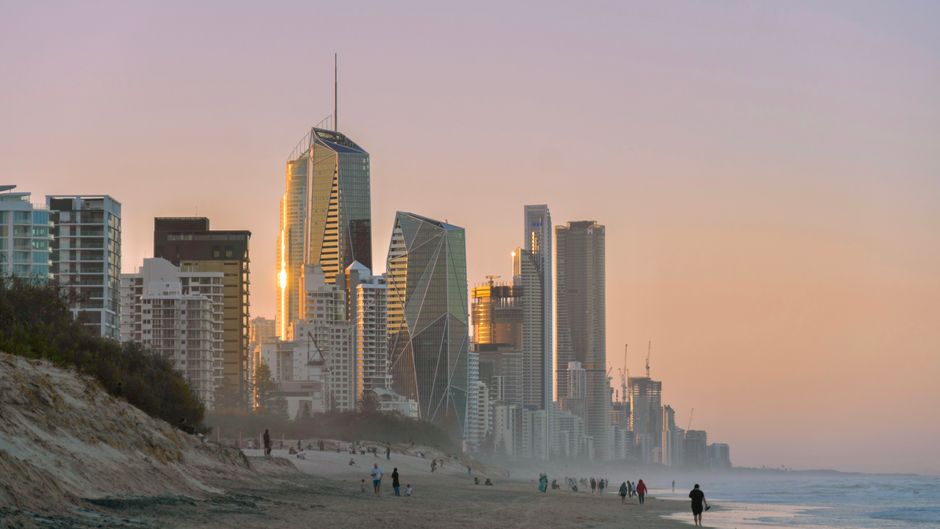
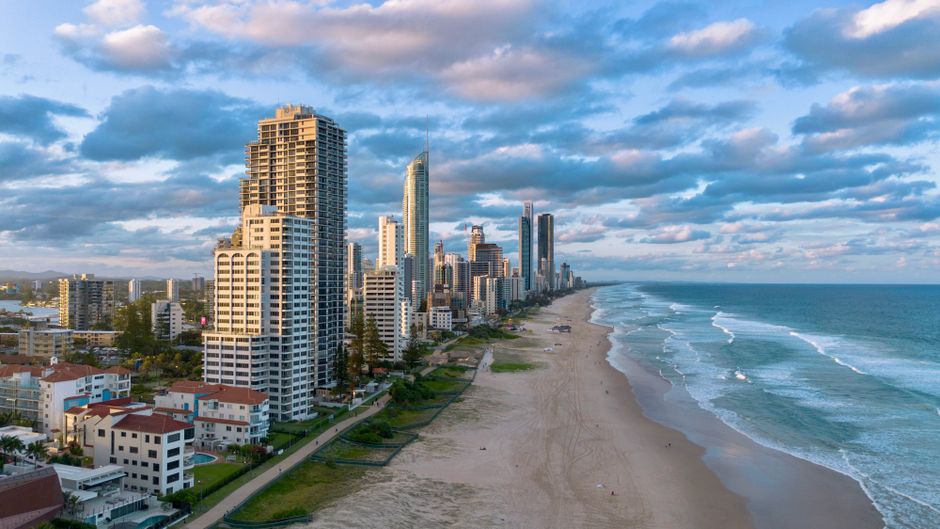
The tension is palpable along the Gold Coast's high-rise corridor. While developers champion mixed-use precincts and renewed economic vitality, long-time residents worry about traffic gridlock, overshadowing and the erosion of neighbourhood character that made the region attractive in the first place.
Recent planning applications for medium-density residential and hospitality projects in Broadbeach and the hinterland townships have crystallised this divide. On one side, property investors and construction firms argue that new development is essential to accommodate growing population demand—Queensland's median property price sits around $850,000, and the Gold Coast remains a magnet for interstate migration and downsizers seeking lifestyle premium over Melbourne or Sydney sprawl.
"Supply constraints limit affordability," development advocates counter, pointing to the tourism sector's recovery and the need for modern accommodation to compete internationally. They highlight infrastructure investment that accompanies major projects: improved drainage, upgraded roads, and public realm enhancements that benefit entire precincts.
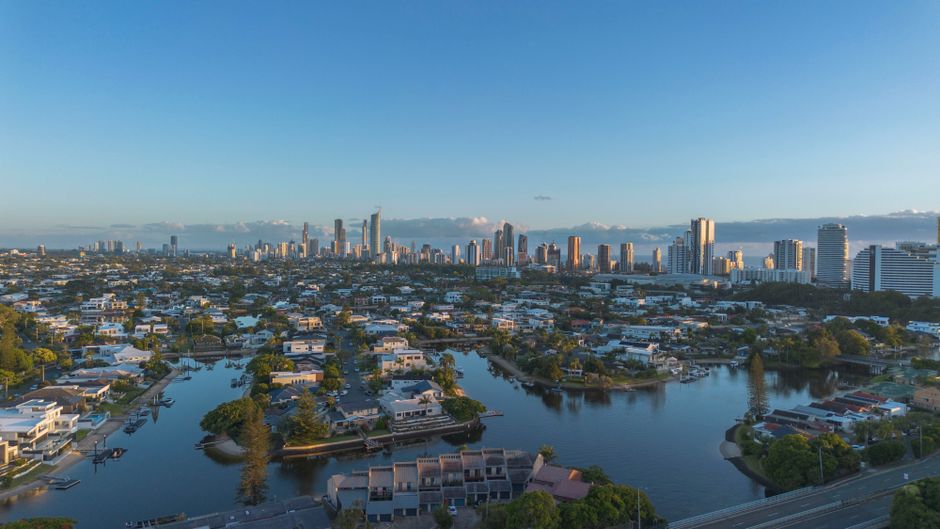
Yet community groups tell a different story. Residents in established pockets like Tallebudgera Valley and along the Nerang River corridors cite cumulative impacts: carpark overflow into residential streets, pressure on local schools and medical services, and the loss of canopy trees and native habitat. Some point to the 2021–2025 development boom that transformed Surfers Paradise's skyline, questioning whether adequate community consultation occurred before cranes arrived.
Planning bodies and local councillors find themselves mediating between these worldviews. Recent council meetings have drawn standing-room crowds opposing projects in Currumbin, Mermaid Beach and the hinterland, where rural character protection is a priority. Meanwhile, proponents of densification around transport corridors—particularly near light rail terminals—argue concentrated development is preferable to sprawl across farmland and bushland reserves.
The issue cuts deeper than aesthetics. Many downsizers attracted to the Gold Coast over the past three years cite tranquility and accessibility as primary draws. They worry that unchecked development could undermine the very lifestyle that justified their $1.2 million median purchase price.
As planning applications continue to accumulate, consensus remains elusive. Developers insist thoughtful growth is inevitable; communities demand that growth respect existing character and priorities. Council planners must navigate this landscape carefully, aware that every approval reshapes neighbourhood identity and that every rejection carries opportunity costs for housing supply and jobs.
The next 18 months will prove telling. How the Gold Coast balances growth with livability may define whether it remains an aspirational destination or becomes another victim of its own success.
This article was compiled by AI and screened before publishing. See our editorial standards.
Spread the word
About this article
Published by The Daily Gold Coast
Daily brief
Free, in your inbox before 7am. Weekdays.
More from Gold Coast