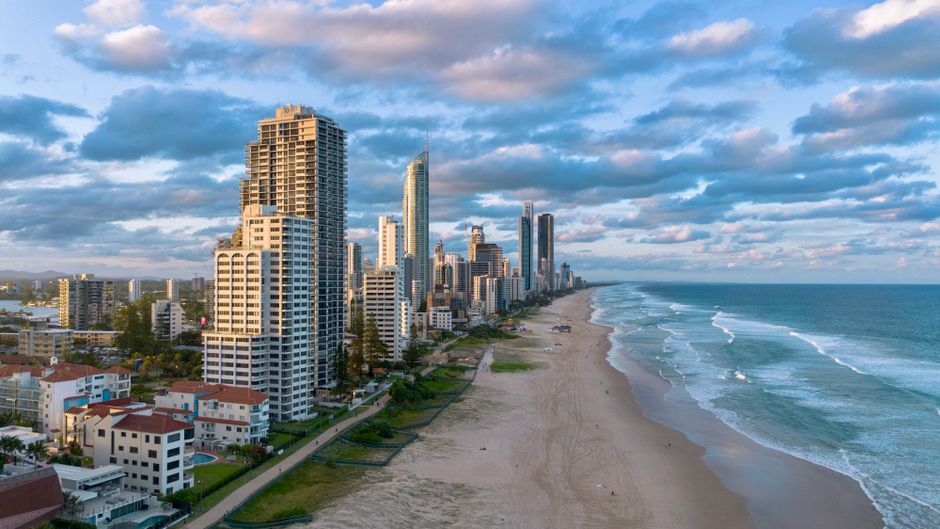
Gold Coast House Prices vs Units: Market Gap Widens
Gold Coast house prices climb to $1.1M while apartments stall. Explore why houses outpace units and what it means for your affordability.
Gold Coast house prices climb to $1.1M while apartments stall. Explore why houses outpace units and what it means for your affordability.
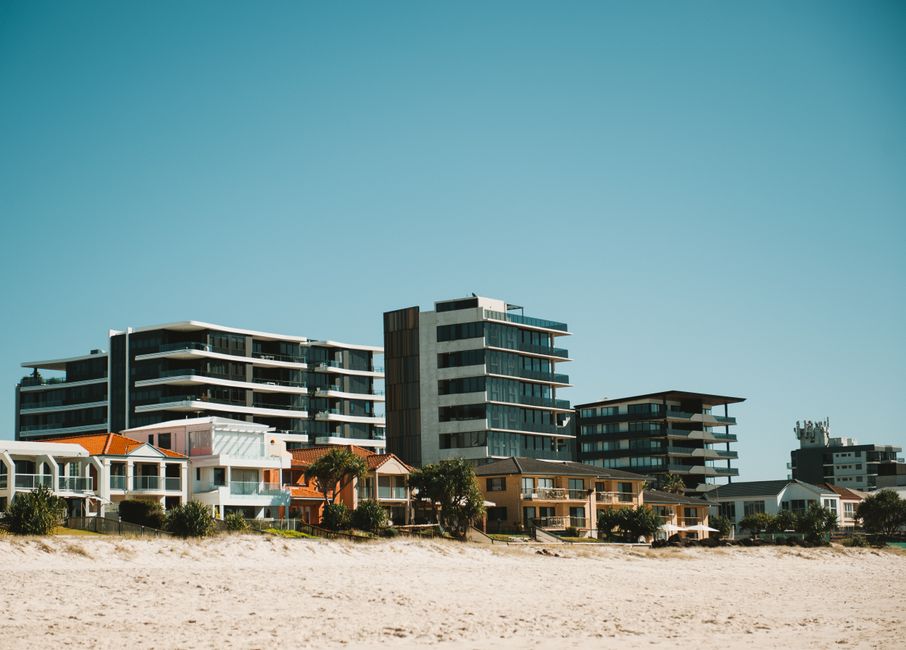
The Gold Coast property market is splitting in two. While median house prices have climbed steadily toward $1.1 million across the region, apartment values are stalling—and in some pockets, retreating. For buyers, renters and investors watching the mid-year scorecard, the divergence raises urgent questions about affordability, lifestyle choices, and where the real value lies.
The gap is most visible in lifestyle hotspots. In Burleigh Heads, established houses within walking distance of Burleigh Beach and the Tallebudgera Valley are commanding premiums, with quality stock regularly exceeding $1.3 million. Nearby, comparable two-bedroom apartments in the same precinct are struggling to clear $650,000—a chasm that reflects deeper buyer sentiment. Houses offer space, yards, and perceived stability; units increasingly feel like a compromise for those locked out of the detached market.
Several factors explain the divide. The RBA's prolonged rate cycle has exhausted first-home buyers and young families, who traditionally fuel unit demand in areas like Surfers Paradise and Main Beach. Simultaneously, downsizers—retirees and empty-nesters—continue to favour established houses in quieter zones such as Tallebudgera, Currumbin, and the hinterland fringes near Austinvilla Estate. Their purchasing power remains intact, and their preferences lean toward single-dwelling permanence.
Tourism recovery has further complicated the apartment equation. Investors who once saw short-stay rentals as a path to capital growth are now hamstrung by stricter regulations limiting holiday letting in residential buildings. New apartment supply in Broadbeach and Southport, designed partly for the visitor economy, has lost a key revenue driver. Without the tourism angle, units must compete on owner-occupier fundamentals alone—and they're losing.
The lifestyle premium that once justified CBD apartment living has also worn thin. Remote work means commuting to Surfers Paradise CBD carries less weight. Families wanting beach lifestyle plus space increasingly drive toward Tallebudgera or Coolangatta, where a $950,000 house budget stretches further than in oversupplied unit precincts.
For the second half of 2026, expect this divergence to deepen. Houses in established suburbs with strong schools and community infrastructure—think Burleigh, Broadbeach West, and Miami—will likely hold their momentum. Units, especially in high-rise towers or areas dependent on short-stay tourism, face structural headwinds until buyer confidence in their long-term role stabilises. The Gold Coast's two-speed market is no longer theory; it's the new reality.
This article was compiled by AI and screened before publishing. See our editorial standards.
Spread the word
About this article
Published by The Daily Gold Coast
Daily brief
Free, in your inbox before 7am. Weekdays.
More from Gold Coast