Gold Coast Rental Vacancy Rates Hit Record Low
Gold Coast rental vacancy rates below 1% push Surfers Paradise rents to $500–$550/week. Explore how tight supply is reshaping the rental market across beachside suburbs.
Gold Coast rental vacancy rates below 1% push Surfers Paradise rents to $500–$550/week. Explore how tight supply is reshaping the rental market across beachside suburbs.
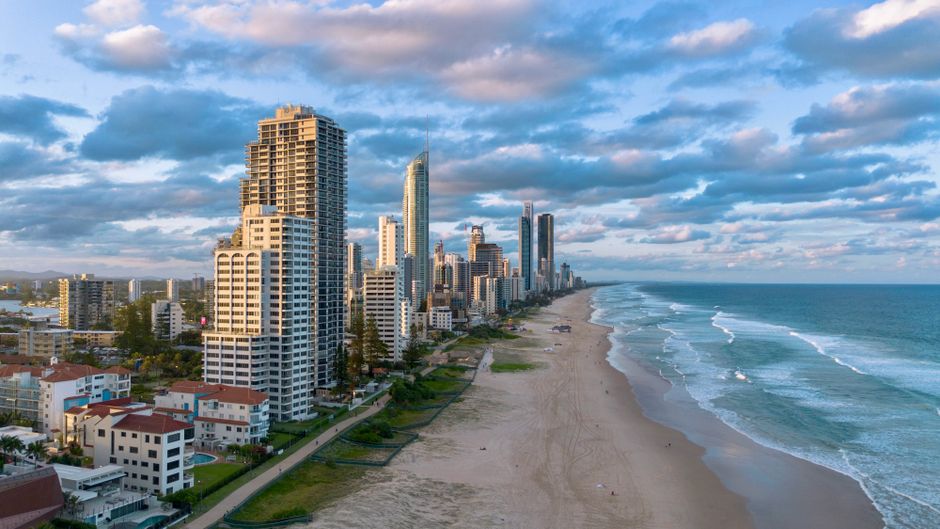
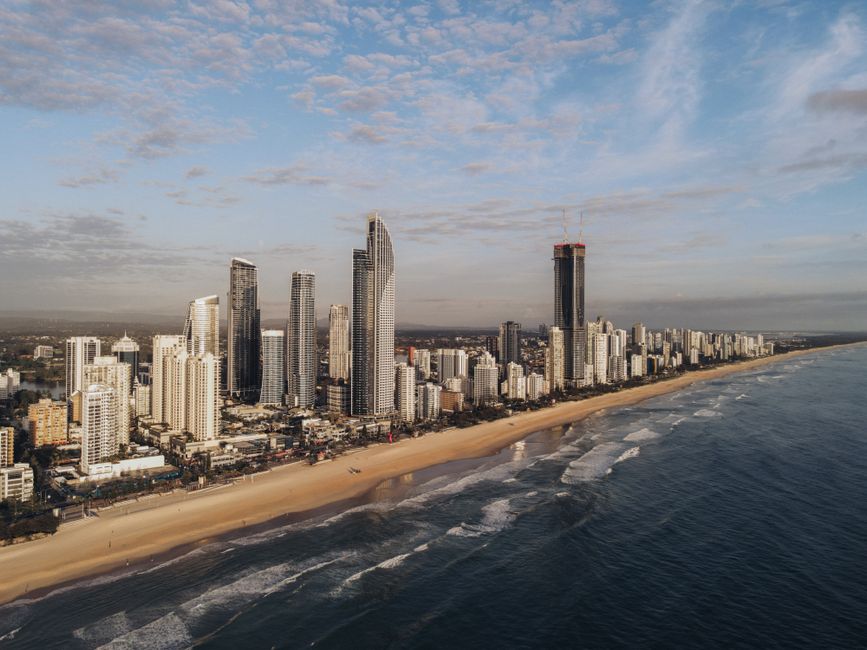
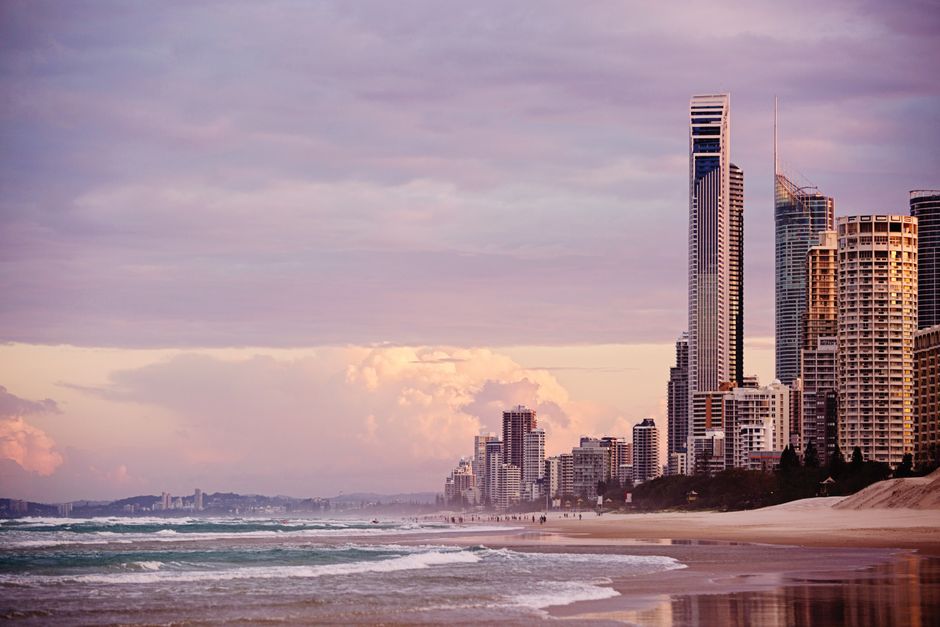
The Gold Coast rental market has reached a breaking point. With vacancy rates languishing below 1% across most beachside suburbs, the traditional safety valve for renters—competition driving down prices—has inverted entirely. Instead, prospective tenants are now competing desperately for scarce stock, pushing rents skyward and forcing difficult conversations about whether buying has become the only viable path forward.
A modest two-bedroom apartment in Surfers Paradise now commands $500–$550 per week, while comparable stock in Broadbeach hovers around $480–$520. In emerging areas like Carrara and Nerang, rents have climbed 8–12% annually, yet even these outlying neighbourhoods maintain vacancy rates barely above 0.5%. The regional median of $850,000 for purchase price remains stubbornly out of reach for first-time buyers, yet rental costs—averaging $26,000 annually for a one-bedroom—offer little respite.
Tourism recovery and interstate migration have exacerbated the crisis. The Southport CBD and Broadbeach strip, anchored by leisure precincts like the Gold Coast Convention Centre and Surfers Paradise beachfront venues, continue attracting transient workers and holidaymakers seeking short-term leases. This friction point has fractured the traditional rental market: investors increasingly favour high-turnover Airbnb-style arrangements over 12-month leases, systematically shrinking long-term rental supply.
The implications are profound. Young professionals eyeing family formation now face a Hobson's choice: commit to a mortgage at the top of an uncertain market, or accept perpetual rental insecurity in a market where landlords can cherry-pick tenants with flawless references and six-figure incomes. Parents relocating to the Gold Coast for employment at logistics hubs in Coomera or hospitality roles across the beachfront are discovering that rental bonds—now running $2,000–$2,500 for modest properties—consume entire savings.
What distinguishes the Gold Coast from southern markets remains the lifestyle premium. Proximity to Tallebudgera Valley hiking, Burleigh Heads headland walks, and the patrolled beaches of Main Beach continues to attract downsizers from Melbourne and Sydney, further compressing available stock. Yet for renters caught between unaffordable purchase prices and near-zero vacancy, the narrative around Gold Coast prosperity rings hollow.
Industry observers suggest the impasse will persist through 2026. Without significant new rental construction—a capital-intensive prospect when negative gearing rules limit investment incentives—tenants will continue bidding against each other, vacancy rates will remain suppressed, and the pathway to ownership will narrow further for ordinary households.
This article was compiled by AI and screened before publishing. See our editorial standards.
Spread the word
About this article
Published by The Daily Gold Coast
Daily brief
Free, in your inbox before 7am. Weekdays.
More from Gold Coast