Build-to-Rent Boom: Why Gold Coast Tenants Are Trading Ownership Dreams for Certainty
As median prices near $850,000, a new class of purpose-built rental developments is reshaping what it means to rent on the Coast—and who can afford to stay.
As median prices near $850,000, a new class of purpose-built rental developments is reshaping what it means to rent on the Coast—and who can afford to stay.
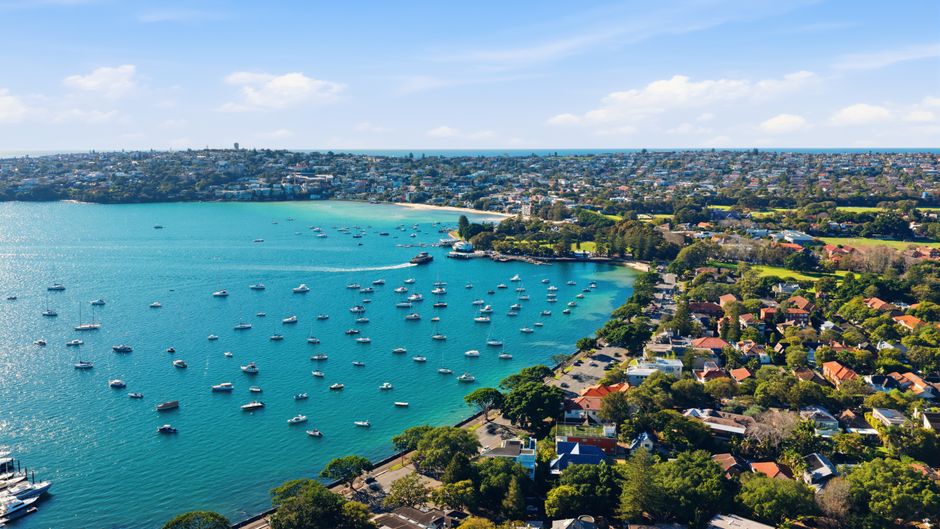
For years, the Gold Coast property narrative has been binary: buy or leave. But a quiet shift is underway in suburbs from Broadbeach to Burleigh Heads, where institutional investors and developers are building residential complexes designed from the ground up for long-term tenants—not future resale.
Build-to-rent (BTR) developments represent a fundamentally different bet on the Coast's future. Rather than chasing capital growth, operators prioritise stable rental yields and tenant retention, meaning onsite amenities, maintenance certainty, and longer-term lease stability that traditional private rentals rarely offer.
The timing matters. With Queensland's median hovering around $850,000 and Gold Coast prices climbing faster, renters are increasingly priced out of ownership. A first-home buyer needing $170,000 for a 20 per cent deposit on a modest Southport apartment faces six to eight years of aggressive saving—if rents don't consume their deposit buffer along the way.
BTR developments sidestep this trap by offering what economists call "rental certainty." Unlike the traditional model—where landlords can exit or redevelop, and investors face vacancy risks—BTR operators absorb those uncertainties. Tenants benefit. Rents typically lock in below market rates for 12-month periods. Maintenance requests aren't negotiated through WhatsApp. Common areas—gyms, co-working spaces, gardens—function as shared infrastructure rather than optional extras in a tight market.
Gold Coast suburbs like Biggera Waters and Varsity Lakes, traditionally dominated by owner-occupier sprawl and holiday rentals, are emerging as BTR hotspots. These locations offer affordability relative to beachfront precincts, good road access to central employment hubs, and room to build at scale. A three-bedroom BTR unit here might rent for $480–$550 per week—undercut by 10–15 per cent compared to comparable private rentals.
The broader context is crucial. Tourism recovery has tightened the rental market across the Coast, pushing locals further inland and north toward Tallebudgera and beyond. Simultaneously, downsizers who once anchored family suburbs are trading houses for apartments closer to dining and entertainment precincts like Broadbeach. BTR developments fill gaps these migrations create.
Critically, BTR isn't a rental panacea—it's a reframing. For tenants with stable income and modest ambitions to own, it offers breathing room and predictability. For the Coast's under-resourced renters, it remains expensive. But as clearance rates soften and investor sentiment shifts, the model is worth watching. In a market where ownership feels distant, stable rental housing is becoming its own asset class.
This article was compiled by AI from the sources linked above and screened before publishing. See our editorial standards.
Spread the word
About this article
Published by The Daily Gold Coast
Daily brief
Free, in your inbox before 7am. Weekdays.
More from Gold Coast