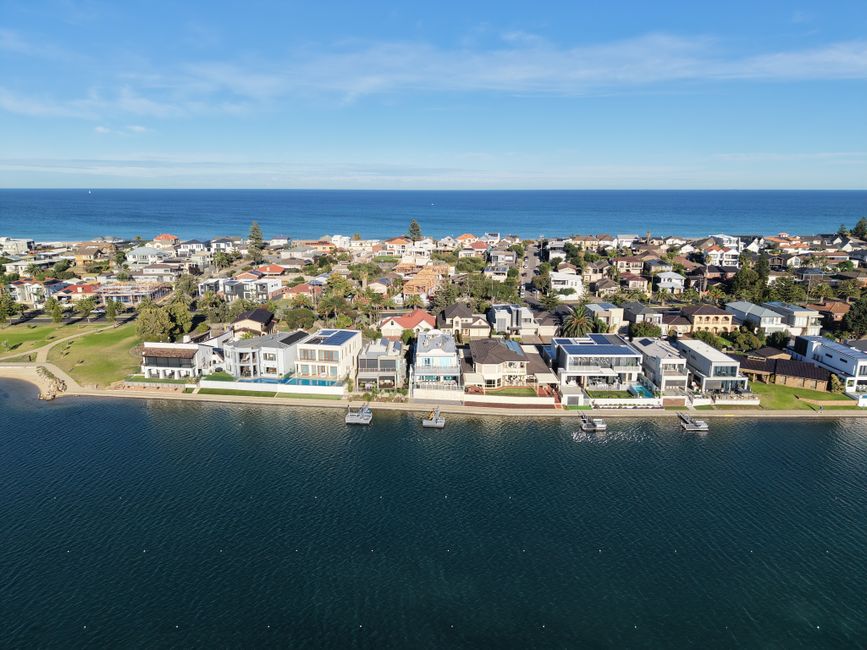
The tension is palpable along the Broadbeach seafront these days. Another development application lands on council desks; another community Facebook group erupts. But unlike the simple "yes" or "no" narratives that dominate headlines, the reality facing Gold Coast planners is far more complex—and far more revealing about what residents actually want.
On one side sits a powerful economic argument. Tourism and residential investment drive the Gold Coast's $40 billion economy. A proposed mixed-use development on the Gold Coast Highway near the Tallebudgera Valley promises 300 jobs, $150 million in construction spend, and rates revenue for cash-strapped local councils managing ageing infrastructure. Developers point out that Queensland's median property price sits around $850,000—with Gold Coast apartments commanding premiums—and argue new supply keeps the market functioning.
"Without development, you don't have jobs. Without jobs, you don't have a functioning community," is the refrain heard at industry forums and council meetings alike.
Yet the opposition tells a different story—one less about blocking progress, more about timing and character. Residents in Burleigh Heads, for instance, aren't universally anti-development. Many moved here precisely because of the Coast's lifestyle premium: the outdoor cafes, the patrolled beaches, the village atmosphere that justifies a $2 million apartment. They watch six-storey towers rise where two-storey homes once stood and worry about traffic congestion on Tallebudgera Esplanade, parking shortages, and the strain on local schools and emergency services.
"People aren't saying never build," explains one long-time Broadbeach local activist group. "They're saying, where is the master plan? What's the cumulative impact?"
That gap—between approving individual projects and planning for cumulative change—has become the real battleground. The Gold Coast City Council receives dozens of development applications annually, each assessed against planning codes. But residents argue the system treats each application in isolation, rather than asking whether 15 new apartment blocks in three years fundamentally changes a neighbourhood's sustainability.
The downsizer market complicates matters further. Empty-nesters and retirees seeking lifestyle change have fuelled demand for apartment living near beaches and dining precincts. Developers argue they're meeting genuine market demand. Critics counter that aggressively marketing apartments to interstate buyers inflates demand artificially.
What's becoming clear is that neither side is monolithic. Some developers genuinely engage with communities; some residents welcome new infrastructure. The real conversation—the one council chambers need to host—isn't "development yes or no," but rather: who decides what kind of Gold Coast we're building?
This article was compiled by AI from the sources linked above and screened before publishing. See our editorial standards.