Gold Coast Council's New Planning Code Will Force Developers to Rethink Density and Design
Stricter building envelope rules and heritage overlays are reshaping what can be built in Broadbeach, Surfers Paradise and beyond.
Stricter building envelope rules and heritage overlays are reshaping what can be built in Broadbeach, Surfers Paradise and beyond.
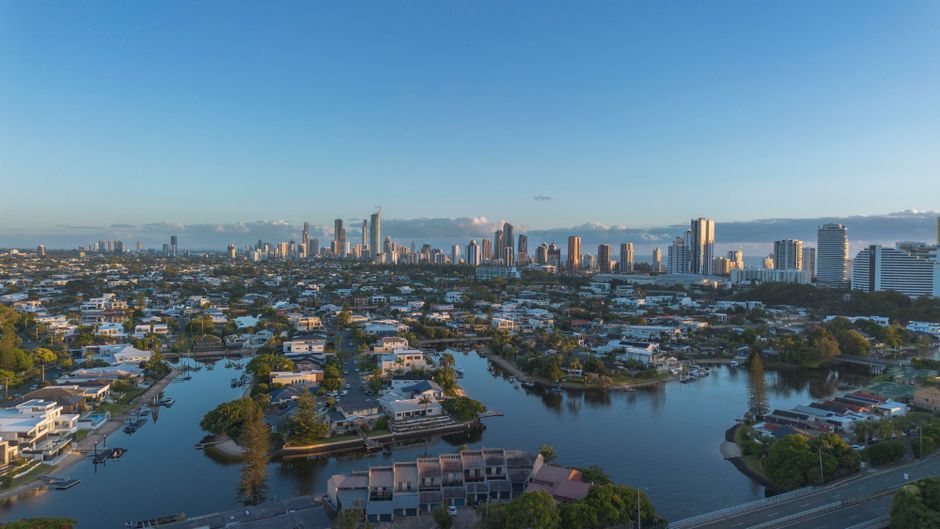
Gold Coast City Council's revised Planning Scheme, which came into effect this month, is already forcing developers to reassess major projects across the region's most coveted postcodes. The changes, focused on controlling overdevelopment while improving streetscape design, represent the most significant planning overhaul since the mid-2010s boom.
The new code introduces tighter floor-space ratios in mixed-use zones along the Broadbeach corridor and Surfers Paradise, capping density increases that had previously allowed towers to climb without proportional ground-level activation. Under the previous framework, a typical corner site near Kurrawa Park might have supported a 35-storey mixed-use tower. The revised scheme now imposes a maximum 28 storeys in similar locations, with mandatory setbacks above 15 levels.
"The intent is quality over volume," explains a council planning department spokesperson in recent correspondence with developers. Properties around Burleigh Heads have been particularly affected, with new heritage overlays protecting the village's character and restricting redevelopment on streets like James Street and Goodwin Terrace. Local real estate agents report several off-market sales have stalled pending clarification on what new owners can actually build.
For mid-range projects—those $15m to $50m developments that typically deliver dual-income household apartments in the $850k–$1.2m range—the changes create both obstacles and opportunity. Developers must now invest heavily in architectural design to meet enhanced facade quality standards, streetscape contributions, and public realm improvements. A Surfers Paradise agent notes that three projects in preliminary stages have been redesigned since March, with reduced unit counts but premium finishes offsetting lower revenue.
The scheme also introduces mandatory car-park reductions in pedestrian-friendly precincts. Properties within 400 metres of light rail stations or beachfront zones must now provide one space per 1.5 apartments instead of the previous one-per-one ratio. This squeezes developers' margins but aligns with Council's transport strategy and appeals to downsizers—a demographic now representing 40% of buyer inquiries in premium beachside areas.
Heritage protections have expanded significantly around The Esplanade, where post-war Modernist buildings now receive formal recognition. Commercial operators in older hospitality venues report uncertainty about future expansion rights, though Council has signalled case-by-case assessment for sensitive redevelopment.
Industry observers expect the stricter regime to filter out speculative land banking and favour genuine long-term developers with design expertise. Empty land sold speculatively—like recent $2m sales of cleared sites—may become harder to flip for quick profit when planning uplift is constrained. For legitimate residential and mixed-use projects, the new era demands patience, better design thinking, and deeper community consultation before shovels hit ground.
This article was compiled by AI from the sources linked above and screened before publishing. See our editorial standards.
Spread the word
About this article
Published by The Daily Gold Coast
Daily brief
Free, in your inbox before 7am. Weekdays.
More from Gold Coast