Houses surge, units stumble: The Gold Coast's growing price split and what buyers need to know
As detached homes in established pockets command premium growth, apartment markets face a reckoning—revealing a fundamental shift in how locals value their property.
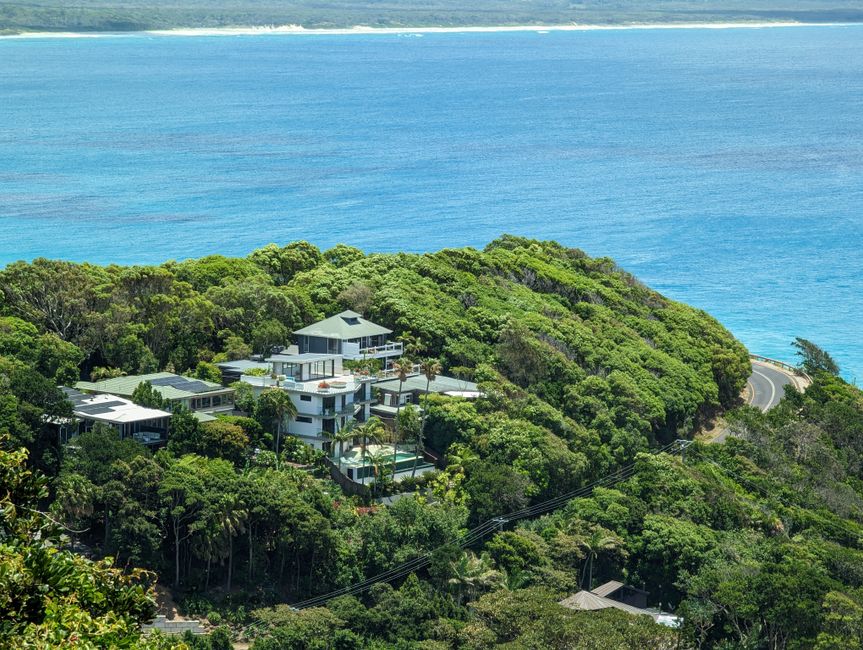
The Gold Coast property market is sending two very different signals depending on what you're looking to buy. Houses are climbing steadily in prime pockets like Tallebudgera Valley and Mount Tamborine, while unit markets across Broadbeach and Surfers Paradise are experiencing a pronounced flatness that's puzzling even seasoned agents.
Data from recent sales cycles shows detached homes in established suburbs commanding 8–12 per cent annual growth, while comparable apartment complexes are tracking closer to 2–3 per cent. This divergence—the widest gap in nearly five years—reflects deeper anxieties about oversupply in high-rise precincts and shifting lifestyle priorities in a post-pandemic market.
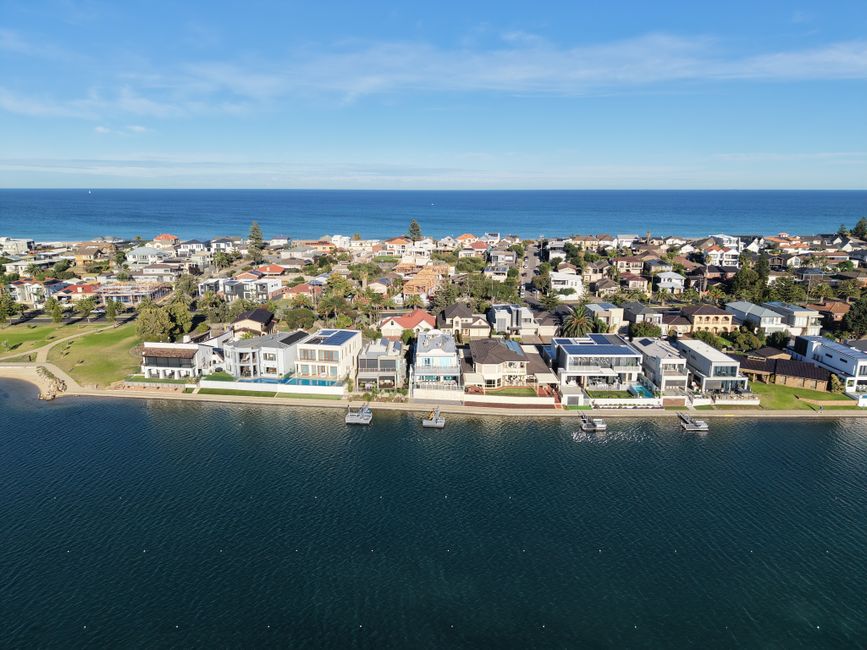
"Houses offer land, privacy, and gardens," explains one Burleigh Heads agent. "Units offer convenience and lower entry price, but buyers are now questioning whether that trade-off makes sense when holding costs and body corporate fees eat into savings." The median house price in Blue Lake and Ashmore sits around $1.1 million, while a comparable two-bedroom unit in Broadbeach averages $780,000—a spread that narrows considerably when you factor in five-to-seven-year holding scenarios.
The divergence tells a story about Gold Coast demographics too. Downsizers—traditionally unit buyers—are increasingly opting for smaller freestanding homes with low-maintenance gardens in neighbourhoods like Tallebudgera and Mudgeeraba. Meanwhile, young families are gravitating toward suburbs with school access and yard space rather than tower living. Tourism recovery has bolstered holiday rental demand, but investor appetite for long-term apartments has cooled.
Supply remains a factor. Council approval trends show steady detached-home developments in outer-ring suburbs, while major apartment approvals have slowed following years of high-rise saturation around the Cavill Avenue precinct and Surfers Paradise beachfront.
For buyers, the takeaway is stark: if you're looking at units, don't bank on aggressive capital growth. Instead, focus on rental yield, location strength, and lifestyle fit. Houses, particularly in Burleigh Heads and the Valley suburbs, may offer more resilience—though entry prices reflect that confidence.
The market isn't crashing. Rather, it's recalibrating along lines that favour land ownership and privacy over density. Whether that gap widens or narrows in the next two years will largely depend on housing supply decisions—and migration patterns—over the coming months.
This article was compiled by AI from the sources linked above and screened before publishing. See our editorial standards.