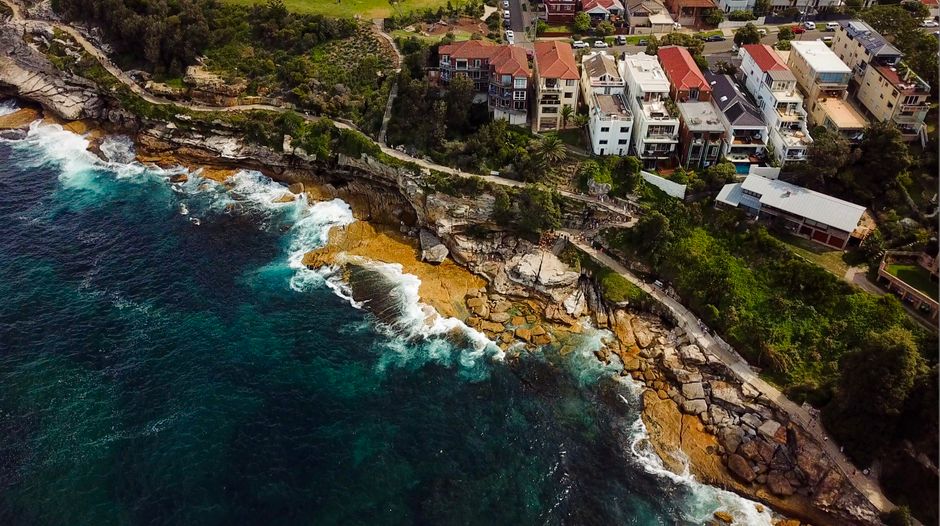
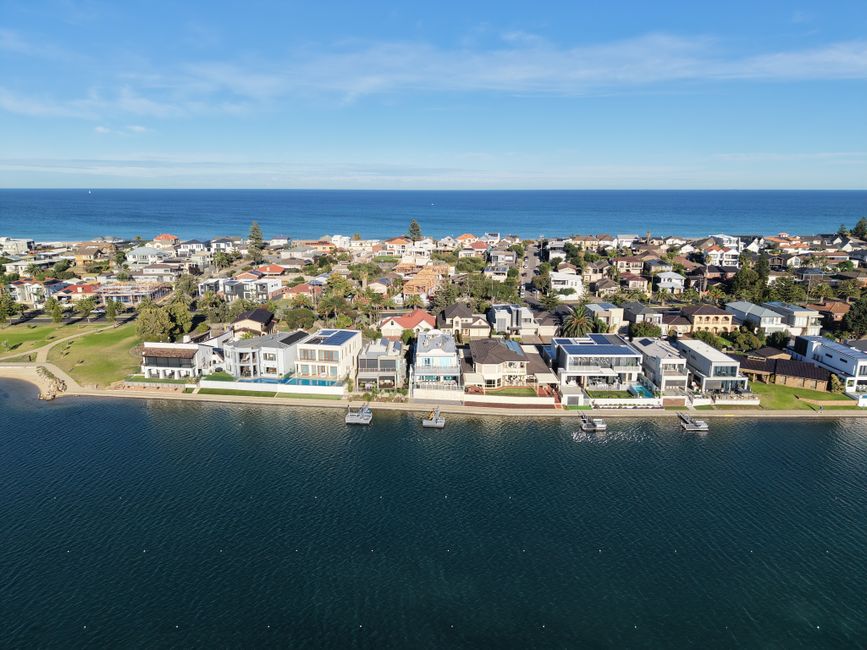
The Gold Coast is at a crossroads. With Queensland's median property price hovering around $850,000 and lifestyle premiums pushing beachside apartments well beyond $2 million, the region's appeal shows no signs of cooling. Yet every new development proposal ignites fierce community debate: Is growth necessary or destructive?
Recent planning submissions for mixed-use projects in Burleigh Heads and Broadbeach have crystallized the tension. Residents oppose towers that would alter skylines and strain infrastructure. Developers and pro-growth advocates argue that without density, housing remains unaffordable and the region stagnates economically.
The Opposition Case
Community groups worry that high-rise development along the Tallebudgera Valley and near Broadbeach's beachfront erodes what makes the Gold Coast distinctive. Traffic congestion on the Gold Coast Highway is already notorious; new residential towers would worsen it. Schools and medical facilities are at capacity. Parking shortages plague villages like Burleigh Heads. And once heritage streetscapes change, they're gone forever. Local residents point to overdeveloped sections of the Gold Coast—from Southport to Mermaid Beach—as cautionary tales of uncontrolled sprawl.
Environmental concerns loom too. Coastal erosion affects multiple beachside neighbourhoods. Increased stormwater runoff from construction threatens waterways that feed into the Nerang River system. Many argue the Gold Coast's 'lifestyle premium'—that intangible appeal drawing downsizers and young families—depends on maintaining a village atmosphere, not maximizing yield per square metre.
The Pro-Development View
Supporters counter that opposition stalls solutions to genuine problems. First-home buyers are priced out. Young families migrate inland or interstate. The tourism economy, still recovering post-pandemic, needs hospitality workers and service-sector staff—who cannot afford rents in outer suburbs. Sensible infill development near transport corridors and employment hubs reduces sprawl and car dependency.
Developers note that modern planning conditions—traffic impact statements, environmental assessments, open space contributions—address legitimate concerns. Strategic density isn't American-style overbuilding; it's European-style mixed-use neighbourhoods where people live, work, and shop locally. Gold Coast City Council already has planning schemes limiting height and density in sensitive areas.
Finding Middle Ground
The reality is neither blanket approval nor blanket rejection serves the region well. Successful projects typically involve early community consultation, scaled-back designs respecting neighbourhood character, and genuine infrastructure commitments. As the Coast evolves, dialogue—rather than polarization—will determine whether growth strengthens or strains liveability.
This article was compiled by AI from the sources linked above and screened before publishing. See our editorial standards.