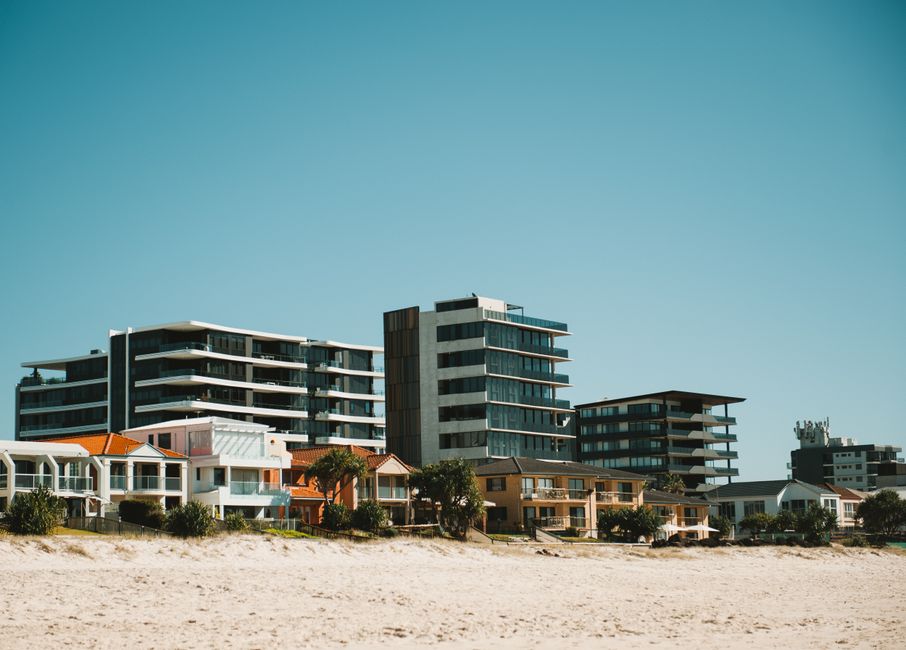
Walk through Surfers Paradise or Broadbeach on any weekend and you'll spot them: young professionals in board shorts and business casual, sipping coffee at beachside cafes. Many are renters by choice, and increasingly, they're doing it strategically.
The rent-vesting strategy—choosing to rent while investing capital elsewhere—has gained serious traction on the Gold Coast, where the median property price hovers around $850,000 and rental yields rarely crack 3.5 per cent. For buyers who can't quite scrape together a deposit without compromising their investment portfolio, the maths suddenly shifts.
Consider this local snapshot: a two-bedroom apartment in Burleigh Heads rents for roughly $420–$480 weekly. The same property might cost $750,000 to buy outright. Monthly rent of around $1,800–$1,920 leaves renters with capital flexibility that owner-occupiers simply don't have.
"The Gold Coast lifestyle premium is real, but so is the opportunity cost," explains local property analysts. When a buyer takes a $600,000 mortgage on a Broadbeach unit, their capital is locked into an asset generating minimal income. Meanwhile, a rent-vester investing that same deposit amount into share markets, bonds, or interstate property could theoretically outpace local appreciation—especially if they're disciplined about it.
The strategy works best for specific demographics: corporate professionals drawn to Surfers Paradise; visiting healthcare workers at the Gold Coast University Hospital; tech-sector remote workers who chose lifestyle over CBD proximity. These renters often have strong income but lack time to manage property or aren't planning to stay seven-plus years—the traditional breakeven horizon.
Tourism recovery has actually sweetened the deal. Rental demand from corporate relocations and seasonal workers has tightened vacancy rates across Southport, Chevron Island, and the beachfront precincts, pushing rents higher but also ensuring tenants have genuine options rather than desperation-driven choices.
Of course, rent-vesting isn't without risks. Missing out on property price growth, exposure to rental increases, and the psychological drag of never owning locally—these weigh heavily on the Gold Coast mindset, where beachfront ownership has long symbolised success.
Yet as rates cycle and clearance rates dip, more buyers are asking the uncomfortable question: is the dream of owning here worth mortgaging the dream of financial flexibility elsewhere? For a growing cohort of Gold Coast residents, the answer is increasingly no—at least for now.
The strategy forces a reckoning: what does wealth actually look like on the Coast in 2026?
This article was compiled by AI from the sources linked above and screened before publishing. See our editorial standards.