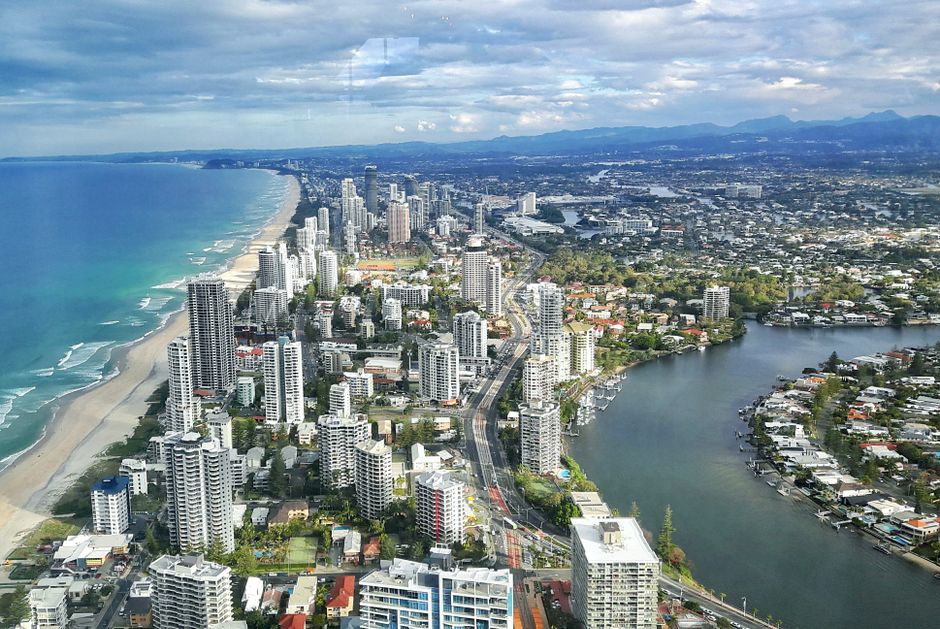
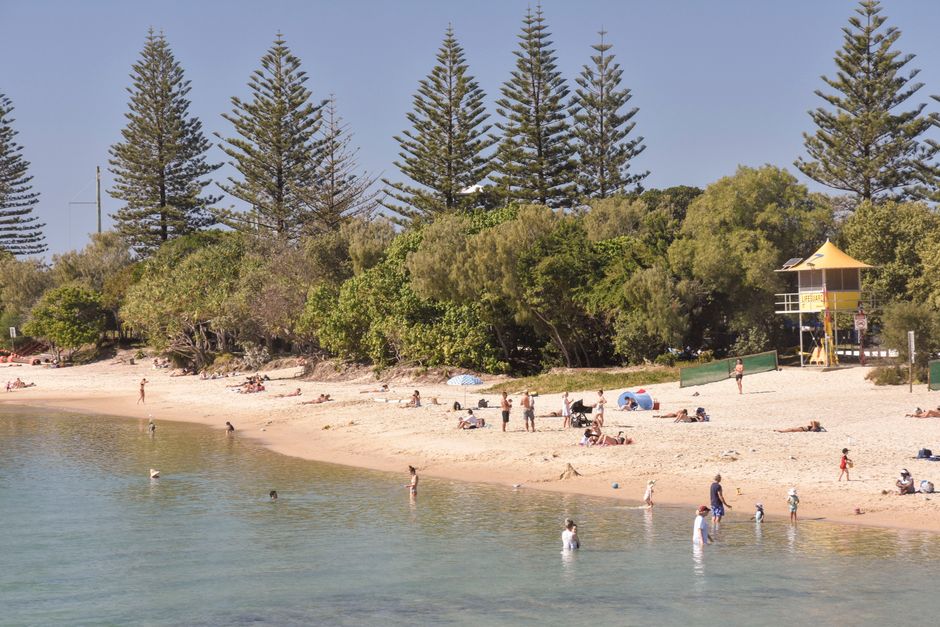
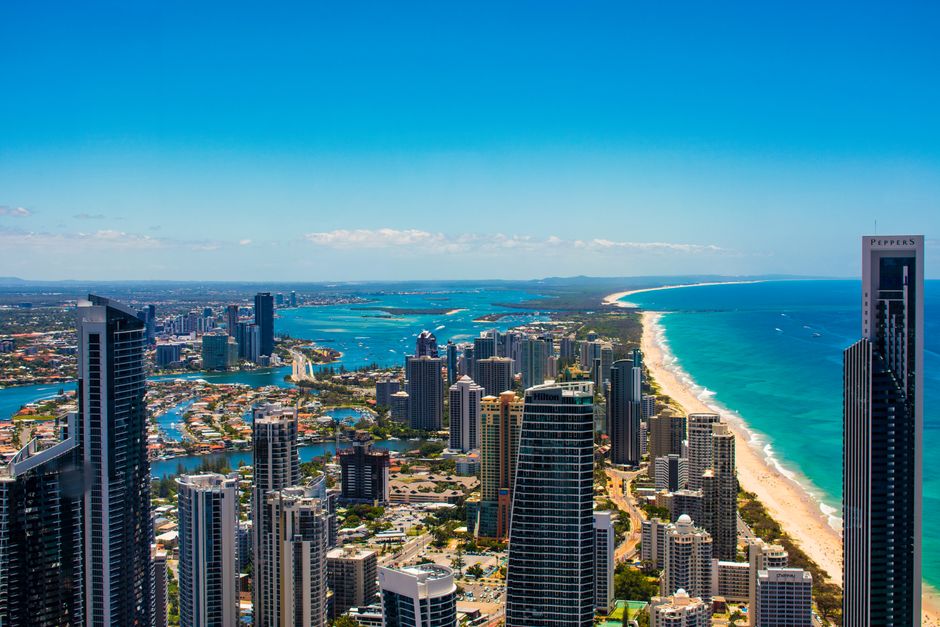
The Gold Coast property market is firing again, but don't expect a repeat of 2021's frenzied auction rooms and overnight equity gains. Instead, what's emerging is a more grounded, regionally balanced recovery that property analysts argue is healthier for long-term stability.
Back in 2021, the pandemic boom was a story of extremes. Broadbeach and Burleigh Heads led a stampede of interstate buyers chasing beachside dreams and remote work flexibility. Median prices across the Coast climbed 20 per cent in 12 months. Competition was ruthless—multiple offers, bidding wars, and first-home buyers priced out entirely. By mid-2021, a modest three-bedroom on the beachfront could attract six figures in bidding.
Today's market tells a different story. While the Queensland median sits around $850,000, Gold Coast growth is steadier. Broadbeach remains sought-after, but the real momentum is spreading inland to Ashmore, Mudgeeraba, and the upper Tallebudgera Valley. "Buyers are thinking smarter," says one leading Coast agency. "They're looking at lifestyle and long-term value, not just postcodes."
The downsizer demographic—professionals cashing in Perth and Sydney equity—is reshaping suburbs like Tallebudgera and Currumbin. Near Boomerang Park and the Currumbin Boardwalk, renovated family homes that would have sat at $1.2 million in 2021 are now moving steadily at $980,000 to $1.1 million. That's not stagnation; it's correction.
Price divergence is the real story. While Broadbeach apartments remain competitive, price-sensitive buyers are discovering value in Southport, Bundall, and around Robina's shopping and lake precincts. A decade ago, these suburbs were overlooked. Now they're attracting first-home owners who benefit from slightly lower entry points and genuine proximity to employment, schools, and the M1 corridor.
The First Home Owners Grant, however, remains inadequate—a national issue with local teeth. At $15,000, it barely moves the needle when median prices have doubled since 2021. Many Coast first-timers are still priced out, despite the market's apparent stability.
Auction clearance rates tell the tale. In 2021, it was 85 per cent-plus on the best weekends. Now it hovers closer to 72 per cent, suggesting measured buyer confidence rather than panic buying. That's closer to a sustainable market.
The boom-time urgency has gone. What remains is genuine demand, driven by tourism recovery, interstate migration, and a rebalancing away from the coast. For buyers and investors, 2026 offers a less intoxicating but far steadier ride than 2021's wild gallop.
This article was compiled by AI from the sources linked above and screened before publishing. See our editorial standards.