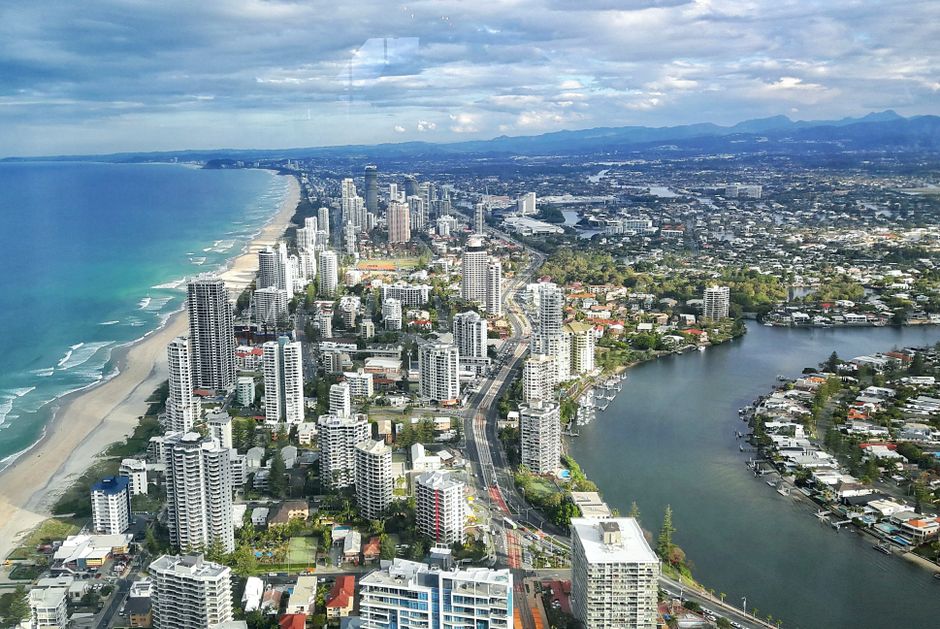
Gold Coast Spring Auctions: Why Volume Spikes 50%+
Gold Coast spring auctions see 280–320 properties weekly vs winter's 150–180. Learn why seasonal patterns shape 2026 selling strategies.
Gold Coast spring auctions see 280–320 properties weekly vs winter's 150–180. Learn why seasonal patterns shape 2026 selling strategies.
Listen to this article · 3:57
Gold Coast auction markets follow a rhythm as predictable as the tides at Surfers Paradise. Every winter, clearance rates slip and vendor confidence evaporates. Come spring, the coast erupts with activity—and this year's data is shaping up to be no exception.
The pattern is stark. Winter auctions (June–August) typically draw 30–40 fewer properties per week compared to spring's (September–November) explosive volumes. Last winter, Gold Coast auctioneers processed roughly 150–180 properties weekly across major precincts. By October, that figure routinely climbed to 280–320. The difference? Confidence, weather, and buyer appetite.
"Winter is traditionally our quietest period," explains a spokesperson from a leading Broadbeach-based agency. "Families are settled in school, overseas holidaymakers thin out, and vendors hesitate. But September through November? That's when motivated sellers emerge and buyer competition intensifies." Clearance rates typically hover around 62–68% during winter auctions, versus 72–78% in spring.
This year, several factors could amplify the spring surge. Queensland's population influx continues, with downsizers targeting premium pockets like Burleigh Heads and Tallebudgera Valley. Tourism recovery has stabilized, meaning holiday rental investors remain engaged. And with median prices holding firm around $850,000 across the region, serious buyers are active in winter's relative calm—positioning them to bid aggressively when spring auctions accelerate.
Recent sales tell the story. A four-bedroom character home on Ferry Avenue in Broadbeach sold at auction in May for $1.92 million—typical spring vigor. Compare that to winter auctions in the same precinct, where comparable properties often pass in, with vendors relisting for private treaty sales months later.
Spring's advantage extends beyond volume. Beachfront properties and lifestyle homes—Gold Coast's calling cards—photograph better in warmer months. Marketing campaigns gain traction. Open homes at parks like Tallebudgera headland or James Street Beach draw stronger foot traffic. These factors compound, creating a self-reinforcing cycle of activity.
However, agents caution against complacency. The tax threat looming over Queensland's rental market could suppress investor demand by spring, potentially capping clearance rates even during peak season. Additionally, buyers burned by rushed purchases in new-build projects are becoming more cautious—suggesting spring's volume surge may not translate to the same pricing premiums vendors expect.
For 2026, the message is clear: winter auctions remain a buyers' market, while spring belongs to vendors—at least historically. Smart operators will factor this volatility into their campaign timing.
This article was compiled by AI from the sources linked above and screened before publishing. See our editorial standards.
Spread the word
About this article
Published by The Daily Gold Coast
Daily brief
Free, in your inbox before 7am. Weekdays.
More from Gold Coast