Gold Coast Council Advances New Short-Term Rental Regulations to Support Communities and Tourism
New rules targeting short-term rental properties aim to balance tourism growth with residents' quality of life across the city.
New rules targeting short-term rental properties aim to balance tourism growth with residents' quality of life across the city.
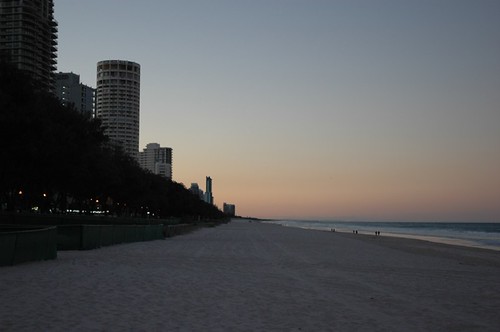
Gold Coast City Council has introduced updated regulations for short-term rental accommodation, affecting property owners, local tourists, and residents alike. The new policy changes, which come into effect from August 1, 2026, seek to impose tighter limits on the number of nights properties can be rented annually, introduce mandatory registration for hosts, and enhance compliance measures to address neighbourhood concerns.
This reform arrives amid ongoing tensions regarding housing availability and community amenity on the Gold Coast, where tourism contributes substantially to the local economy but has also led to strain on residential areas. The policy update forms part of Council’s broader effort to manage growth responsibly, particularly as the city prepares for increased visitor numbers with the 2032 Brisbane Olympic Games fast approaching.
The new regulations cap short-term rentals at 120 nights per calendar year for most residential zones, reducing the previously uncapped arrangement. Mandatory Council registration will allow for better monitoring, with penalties imposed on rental operators who fail to comply. Community groups have expressed support for measures that reduce noise complaints and parking congestions often linked to holiday rentals. Local housing advocates note that restricting the number of available short-term properties may alleviate pressure on long-term rental availability, as the Gold Coast’s vacancy rate hovers at a tight 1.9% as of June 2026, according to the Real Estate Institute of Queensland.
For local residents, this means fewer disruptions from transient visitors in residential streets, and potentially more stable housing options as landlords may be encouraged to offer properties for longer-term leases. The tourism sector, which accounts for an estimated $6.3 billion in annual revenue on the Gold Coast, will need to adjust to these limits, focusing on professional short-term accommodation providers who comply with registration and quality standards.
The 2026-27 Gold Coast City Budget allocates $1.2 million towards enhanced short-term rental compliance and community education campaigns. Council officers will conduct audits and respond to complaints, prioritising areas with high-density residential zones such as Surfers Paradise and Main Beach. Council’s public documents highlight that similar regulatory frameworks in Brisbane and Sunshine Coast have resulted in a 15% decline in short-term rental listings in predominantly residential areas over the past two years.
Over the coming months, Council plan to engage with property owners and tourism operators to support transition to the new system. A dedicated online portal will launch in late July for registration and information. Policy analysts indicate that while initial compliance may require adjustments from property managers, the clearer rules are expected to improve resident satisfaction and provide a fairer tourism landscape across the city.
Residents concerned about the impact of short-term rentals can provide feedback through Council’s scheduled community forums during July. Continued monitoring of housing market indicators and community wellbeing surveys will guide any future refinements to the regulations ahead of the 2032 Olympic Games and beyond.
Spread the word
About this article
Published by The Daily Gold Coast
Daily brief
Free, in your inbox before 7am. Weekdays.
More from Gold Coast