policy
Gold Coast City Council Short-Term Rental Licensing Rules to Shift Household Housing Costs
New local government licensing for short-term rentals is expected to change the number of properties available for long-term rent in Gold Coast suburbs and alter weekly accommodation expenses for residents.
How we reported this
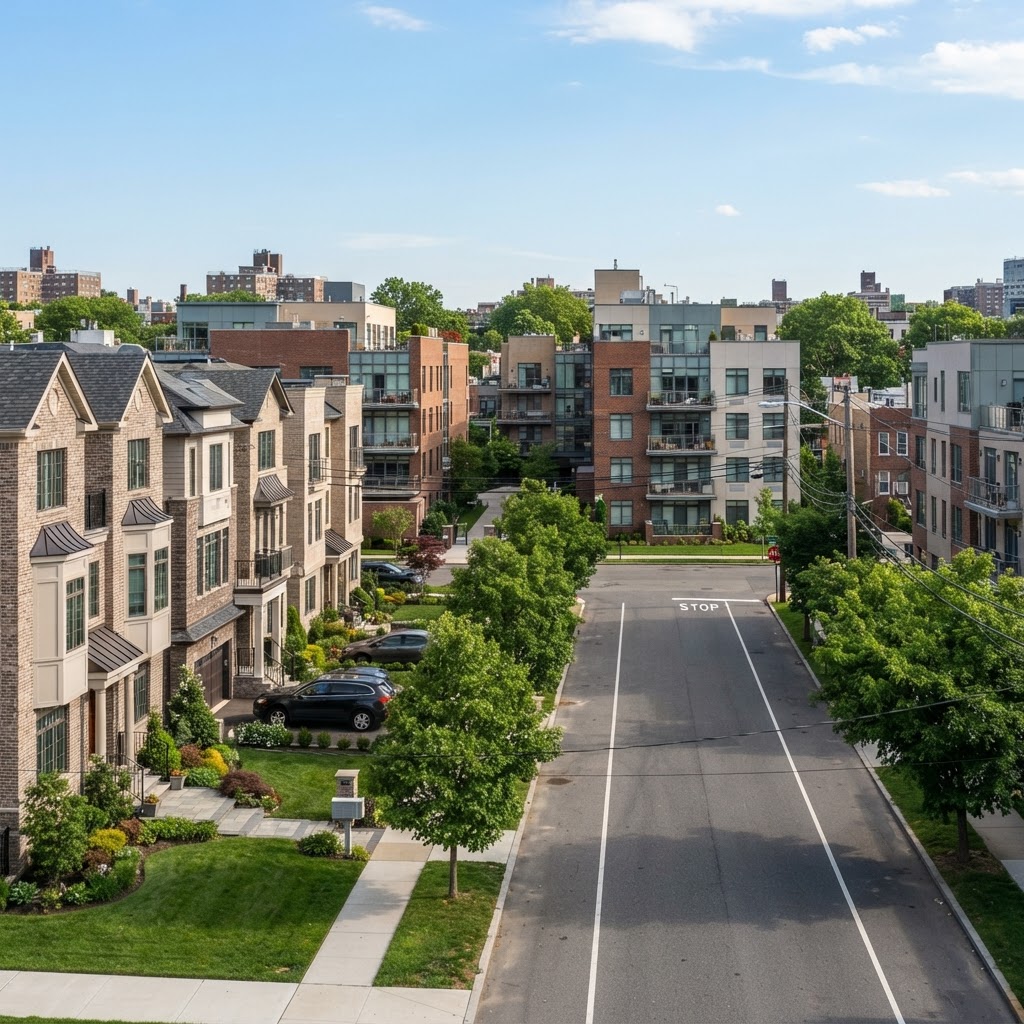
The City of Gold Coast has adopted new licensing rules for short-term rentals in residential zones, requiring owners to register properties used for stays under 90 days and meet occupancy limits in designated areas. The changes apply to listings on platforms such as Airbnb and directly affect households that rely on rental income as well as those seeking long-term leases.
These rules respond to ongoing pressure on housing supply in a city where tourism numbers have returned to pre-pandemic levels and the 2032 Olympic venues at Coomera and Robina are already shaping development applications. State planning documents note that short-term accommodation competes with permanent rentals in coastal and hinterland suburbs.
Changes to weekly budgets in specific suburbs
Households in Surfers Paradise and Broadbeach may notice more properties moving from holiday lets to 12-month leases, which local advocates say could reduce competition for family-sized homes. In Robina and Coomera, residents near the future Olympic sites could see shifts in rental availability as owners weigh compliance costs against tourism revenue. The policy states that new licences will be assessed against local housing supply targets before approval.
The 2025-26 Gold Coast City Council budget papers record 4,872 active short-term rental registrations across the local government area. The licensing scheme sets an annual fee of $350 per property and caps the number of nights a dwelling can be let without triggering a change-of-use application in high-demand zones.
Property owners must submit applications by 30 September 2026 to continue operating, with enforcement checks scheduled to begin in the first quarter of 2027. The council has indicated that compliance data will be reviewed after 12 months and may lead to adjustments in the number of permitted licences in each suburb.