Gold Coast Voters Face Major Rental and Cost-of-Living Ballot Measures
From short-term rental levies to infrastructure bonds, the votes ahead carry direct consequences for Gold Coast renters, homeowners and small businesses already stretched by rising costs.
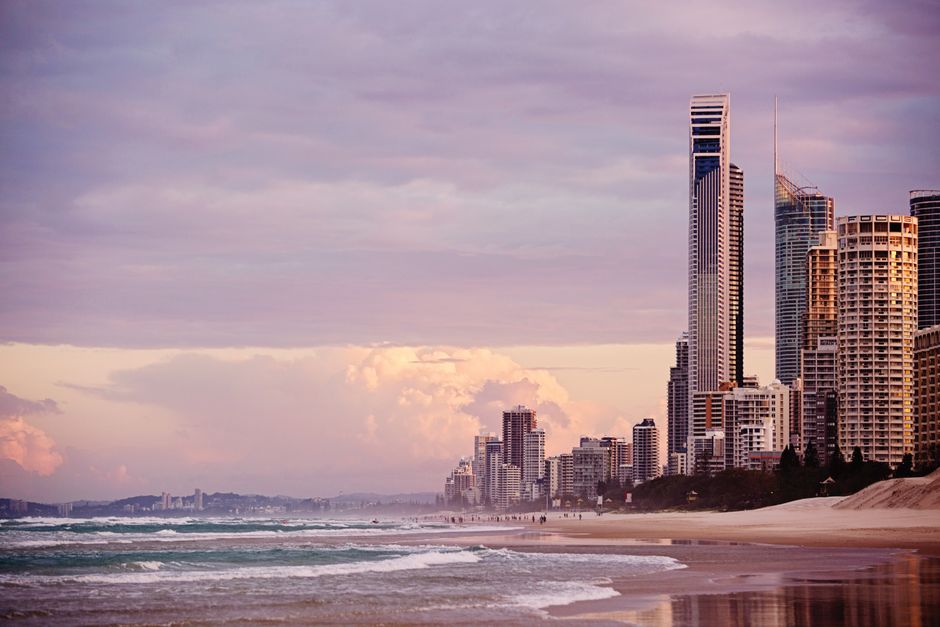
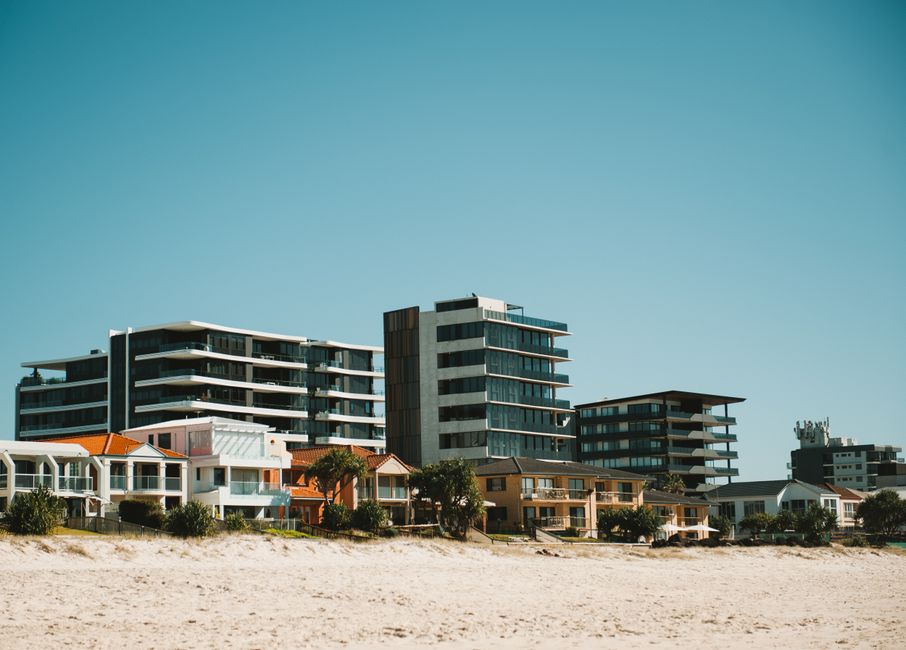
Gold Coast residents face a clutch of ballot decisions and policy referendums over the coming months that will shape household budgets in concrete ways, from the weekly rent bill to council rates and the cost of running a small business near Broadbeach or Coomera. The measures span Queensland state government proposals, Gold Coast City Council ballot questions and broader federal cost-of-living adjustments tied to the 2032 Olympic infrastructure program. For a city where the median advertised rent hit $850 per week for houses in early 2026, according to CoreLogic data, the stakes are immediate.
The timing reflects mounting pressure across Queensland. Consumer confidence remains fragile, economists noting in mid-2026 that while a national recession has been avoided, household spending power has not meaningfully recovered. On the Gold Coast, that squeeze is sharpened by a tight rental market, ongoing construction cost inflation linked partly to Olympic venue works at Robina Stadium and the Coomera Indoor Sports Centre, and a light rail Stage 4 extension that will require fresh financing arrangements the council is yet to fully resolve publicly.
What the Measures Actually Do to Your Costs
The most directly felt proposal for renters is the Queensland government's short-term rental registration levy, which the state's housing policy framework, released in late 2025, flagged as a mechanism to redirect a portion of Airbnb-style platform revenue toward a social and affordable housing fund. Policy analysts say the levy, if passed in its proposed form, is expected to add between $8 and $15 per night to the cost of operating a short-term rental in high-pressure tourist zones, including Surfers Paradise, Broadbeach and Palm Beach. Landlords who shift properties back to long-term leasing would be exempt. The practical effect for renters, housing advocates note, depends entirely on how many Gold Coast owners choose exemption over levy payment. The Gold Coast currently has an estimated 9,400 short-term rental listings, according to Inside Airbnb data compiled as of March 2026, placing it among the highest-density markets in regional Queensland.
A separate council ballot question, expected to appear on the August special postal vote, asks ratepayers whether to approve a fixed infrastructure bond contribution of up to $420 per rateable property per year over five years to part-fund the Stage 4 light rail extension from Burleigh Heads toward Coolangatta. The council's own modelling, published in its 2025-26 Capital Budget Supplementary Paper, projects the bond would raise approximately $210 million locally, with the remaining funding sought from state and federal sources. For owner-occupiers, that means an additional line on the rates notice. Renters in properties where landlords pass costs through via annual lease increases could see a portion flow into their rent as well, though the Residential Tenancies Authority's existing rules limit mid-lease adjustments.
Reading the Fine Print Before Voting
Two other measures have smaller but still real household effects. A proposed federal regulation change affecting energy retailer rebate structures, currently before Senate committee as of June 2026, is projected by the Department of Climate Change, Energy, the Environment and Water to deliver an average annual saving of $180 to eligible Queensland households if passed, with Gold Coast households on standing offers benefiting most because that tariff category is more prevalent here than in Brisbane. The second is a Gold Coast City Council planning scheme amendment, open for community response until 31 July 2026, that would rezone 14 sites in the northern Gold Coast corridor for medium-density residential development. Approval is expected to increase housing supply modestly over a three to five year horizon, which economists at the Grattan Institute have separately identified as the most durable route to lower rental pressure.
Residents can access ballot papers, plain-English summaries and submission portals through the Queensland Electoral Commission website and the Gold Coast City Council's Your Say platform. The short-term rental levy goes before the Queensland Parliament for a second reading vote in August. The infrastructure bond postal ballot closes 22 August 2026. The planning scheme amendment public consultation period ends 31 July. For households working out where each measure lands in the budget, the council has published a cost impact fact sheet at goldcoast.qld.gov.au, updated as of 1 July 2026.