policy
Gold Coast candidates clash over community services funding ahead of state election
Voters across the Gold Coast's eight state seats are weighing competing commitments on homelessness support, disability services and youth programs as campaign promises harden into policy detail.
How we reported this
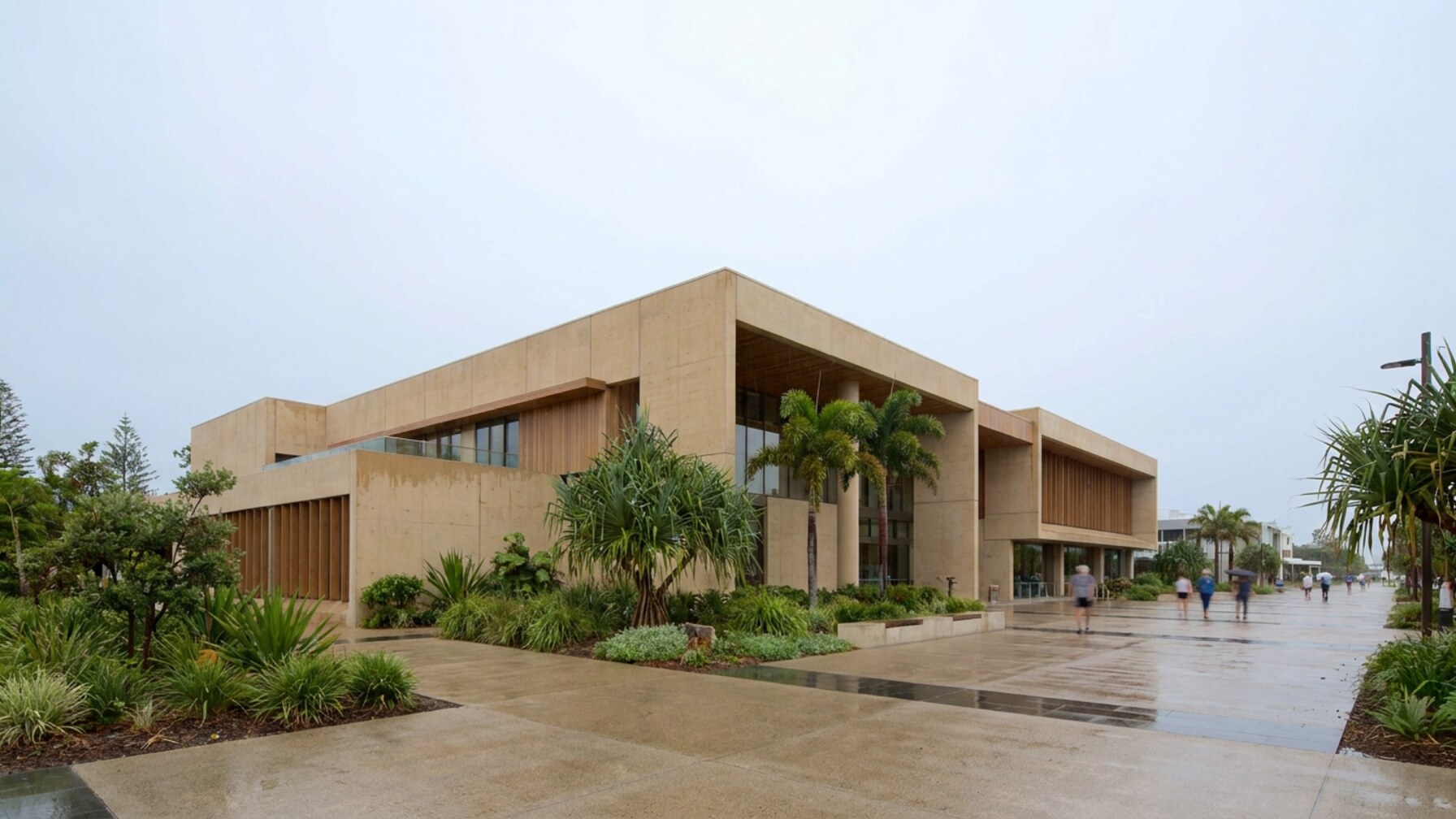
Candidates contesting Gold Coast's eight Queensland state seats are making community services funding a central battleground this election cycle, with local charities and welfare organisations pressing all sides for binding commitments on housing support, mental health outreach and youth intervention programs. The pressure is pointed: Gold Coast City Council's own social indicators data shows the city's homeless population counted during the 2021 national census sat at roughly 2,400 people, a figure local advocates say has grown since then amid rising rents across suburbs from Southport to Coomera.
The timing matters. Queensland's state budget delivered in June 2026 allocated $1.2 billion statewide for social housing construction over four years, with the Gold Coast identified as a priority growth corridor. But community sector workers note that capital investment in dwellings does not automatically translate into the wraparound support services, case management and crisis accommodation that residents in acute need require right now. Gold Coast-based providers affiliated with the Queensland Council of Social Service have publicly called for recurrent funding guarantees, not just one-off infrastructure commitments, to appear in candidate platforms before polling day.
What the competing platforms mean for local residents
For Gold Coast residents relying on community services, the policy differences between candidates come down to a few concrete questions. Will youth drop-in centres in Nerang and Robina receive ongoing operational funding past the current financial year? Will the state government's Homes for Queenslanders plan deliver stock in suburbs where need is highest, rather than concentrating new builds in lower-land-cost outer zones? And what happens to the 32 funded positions the Queensland Government placed with Gold Coast community legal centres under the 2023-26 service agreement when that agreement expires?
Several candidates standing in seats including Gaven, Mudgeeraba and Surfers Paradise have published platform documents committing to expand the Gold Coast Hospital and Health Service's community mental health team by additional positions, though specific headcount and funding figures vary between proposals. Disability advocacy groups operating in the Robina and Coomera catchments, where the 2032 Olympic venue construction is accelerating, have flagged concerns that infrastructure labour demand is drawing workers away from NDIS support roles, tightening an already stretched local care workforce.
Budget figures and evidence base candidates are working from
The Productivity Commission's 2024 report on human services noted that remote and regional Australians face worse service access than capital city residents, but also flagged that high-growth coastal cities like the Gold Coast present a distinct challenge: rapid population expansion outpaces service planning cycles. Gold Coast's population is projected by the Queensland Government Statistician's Office to reach 800,000 residents by 2041, up from roughly 650,000 today. Community sector planners say that trajectory demands workforce and service funding decisions made now, not after the next electoral cycle.
The Queensland Government's Community Services Industry Plan, published in 2022, set a target of growing the sector's workforce by 25 per cent by 2030 to meet demand. Local providers say the Gold Coast is not on track to meet that figure without a step-change in training investment and wage subsidy arrangements. Several candidates have pointed to TAFE Queensland's Southport campus as a potential delivery site for accelerated community services credential programs, though no funding agreement has been announced as of 7 July 2026.
Polling day for any state by-election or general election will ultimately determine which platform shapes service delivery on the ground. For Gold Coast residents using homelessness services, community legal help, youth programs or NDIS-linked supports, the practical question is which commitments survive contact with budget processes after the campaign ends. Advocacy organisations including Gold Coast Homelessness Network have indicated they will publish a post-election scorecard tracking whether elected members deliver on the specific program commitments made during this campaign period.