policy
Gold Coast Mayor's Planning Push: Who Gets More Housing and Who Gets More Traffic
Proposed changes to development approvals and short-term rental rules will reshape neighbourhoods from Coomera to Coolangatta, with clear winners and losers among residents.
How we reported this
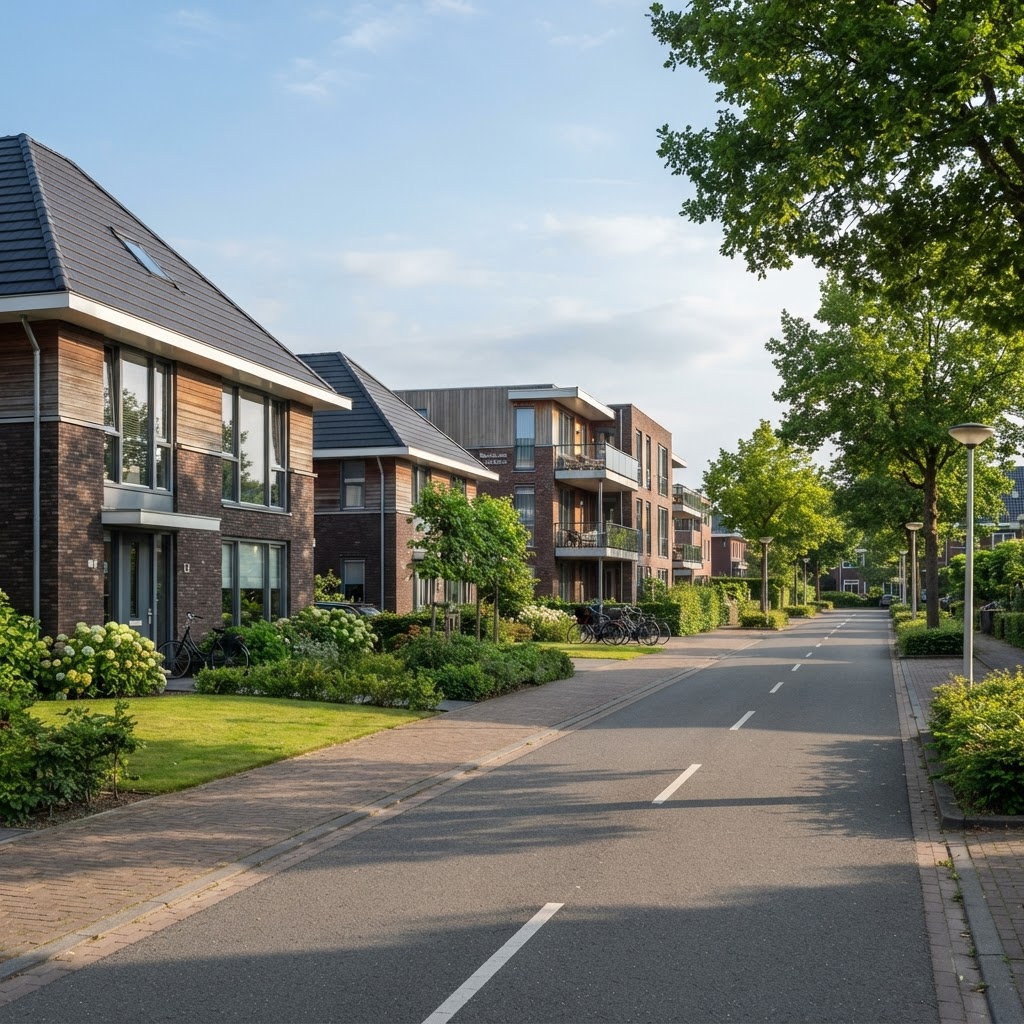
Gold Coast City Council is advancing a package of planning and local government policy updates that would accelerate residential development approvals in identified growth corridors while placing tighter conditions on short-term rental properties operating in suburban and low-density zones. The changes affect homeowners, renters, investors, tourism operators and long-term residents across the city's 14 divisions, and are expected to move through formal council consultation processes in the second half of 2026.
The timing matters. The city is absorbing significant infrastructure pressure from two fronts simultaneously: population growth in the northern corridor around Coomera, where 2032 Olympic venue construction is already under way, and continued demand for short-stay accommodation driven by a post-pandemic tourism rebound. Council has been under sustained pressure from state planning authorities and community groups alike to clarify rules that many residents say are being applied inconsistently across different suburbs. The state government's broader planning reform agenda, which includes reviewing the Queensland Planning Act framework, has given local government an opening to update its own planning scheme conditions without waiting for Canberra or Brisbane to act first.
Development Approvals: Growth Corridors Win, Established Suburbs Push Back
Under the proposed changes, properties in designated growth precincts, primarily the Coomera, Pimpama and Ormeau corridors in the north, would face streamlined assessment pathways for medium-density residential builds. Council officers have indicated the aim is to reduce approval wait times, which local industry groups have described as a barrier to delivering housing at the speed the city needs. For families looking to buy into those areas, a faster pipeline could mean more stock and less competition. For existing residents in those same corridors, the concern is roads, schools and drainage systems being asked to absorb density before the infrastructure catches up.
In established beachside and hinterland suburbs, the picture is different. Residents in areas such as Burleigh Heads, Palm Beach and Currumbin have been vocal at recent council meetings about overdevelopment pressure. The policy update is expected to maintain tighter controls on building height and setbacks in those zones, which planning advocates say gives those communities more certainty but also constrains the supply side in some of the city's most expensive and sought-after pockets.
Short-Term Rentals: Local Hosts Face New Conditions
The short-term rental component of the policy update is the piece most likely to affect the broadest cross-section of Gold Coast households. Council is looking at a registration and compliance framework for properties listed on platforms such as Airbnb and Stayz, with a focus on low-density residential streets where whole-home rentals have, according to local advocates, reduced the availability of long-term housing stock. Similar frameworks have been introduced in other Australian capital cities and regional tourist destinations, though the specific fee structures and enforcement mechanisms proposed for Gold Coast have not yet been publicly released in final form.
For owners who rely on short-term rental income to cover mortgage costs, any new registration fee or occupancy cap would affect household budgets directly. For long-term renters, particularly essential workers and families, tighter supply restrictions on short-stay conversions could free up more properties for twelve-month leases, which policy analysts note is one of the more direct levers local government has available to ease rental stress without touching state or federal housing policy.
What happens next is a formal public submission period, expected to open later in July 2026, through which residents, business operators and community groups can respond to the draft framework. Council's planning committee is scheduled to review submissions before the end of the third quarter. Residents in affected areas can register their interest through the council's Have Your Say platform. For those living near planned Olympic precincts at Coomera and Robina, the decisions made in this consultation round will shape what their neighbourhoods look like well beyond the games themselves.