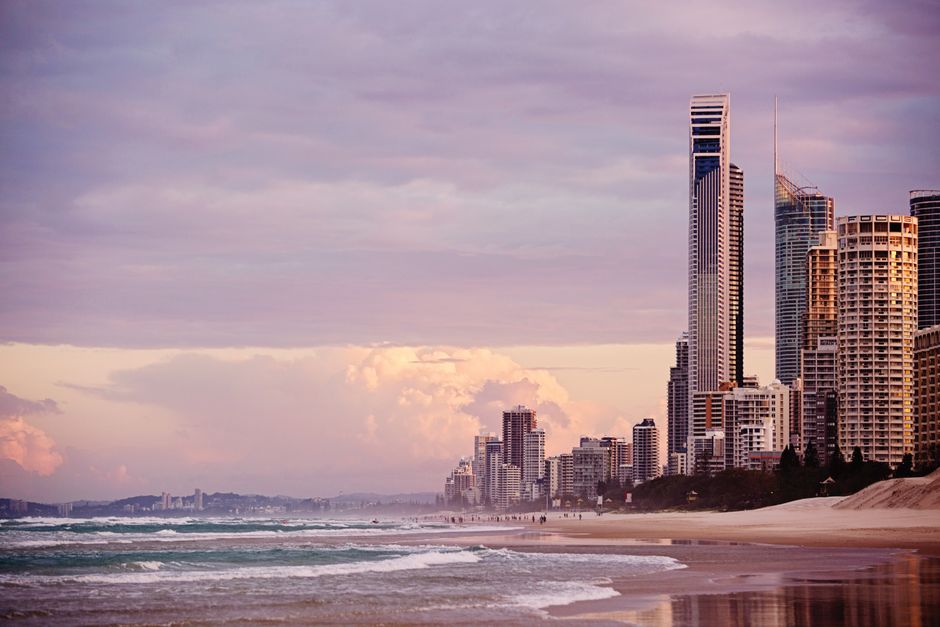
Gold Coast beach protection plans put pressure on councils, developers and residents alike
A convergence of state planning rules, Olympic infrastructure timelines and rising sea levels is forcing hard conversations about who pays to protect the Gold Coast's coastline and what happens if the money runs out.
New Queensland state coastal management guidelines, updated earlier this year under the Coastal Protection and Management Act 1995 framework, are now requiring Gold Coast City Council to revise its local coastal hazard adaptation strategy by mid-2027. The changes affect every property within the coastal management district, a zone that covers roughly 57 kilometres of Gold Coast beachfront from Coolangatta to South Stradbroke Island. For residents and business owners in low-lying suburbs such as Mermaid Beach, Miami and Currumbin, the revised mapping will determine what can be built, extended or insured, and at what cost.
The timing matters. Bureau of Meteorology data recorded the 2024-25 summer as one of the three warmest on record for South-East Queensland, and local emergency management figures show Gold Coast City Council spent approximately $4.2 million on post-storm beach renourishment along the central Gold Coast strip following two significant east-coast lows in 2024. Community advocates note that cyclical sand loss from Surfers Paradise and Broadbeach has accelerated since the mid-2010s, and the council's own beach management program has been renourishing sections of the Main Beach spit annually since 2001. Sand pumping works, while effective in the short term, are projected to cost significantly more per cubic metre as offshore sand sources become harder to access under updated federal environmental approvals.
Olympic construction and coastal pressure
The 2032 Brisbane Olympic Games has added a layer of complexity. While the Olympic venues earmarked for the Gold Coast sit inland at Coomera and Robina, the anticipated surge in tourism and population ahead of the Games is expected to increase demand for coastal development approvals through 2029 and 2030. Planning analysts say this creates a direct tension with the tightened coastal setback rules that Queensland's Department of Environment and Science has flagged for inclusion in the revised state planning policy. Under those proposed changes, any new structure within 50 metres of the high-water mark in erosion-prone areas would face stricter engineering requirements and mandatory disclosure of coastal hazard risk at point of sale, a requirement that does not currently exist in uniform form across the local government area.
Community voices in the sustainability space are pushing for the council to go further than the state minimums. The Gold Coast Environmental Alliance, a local advocacy network, has been calling since late 2025 for the council to adopt a formal climate adaptation budget line, separate from the existing natural environment levy, which raised around $14 million in the 2025-26 financial year across rateable properties. Advocates argue that levy revenue is spread too thin across conservation, koala corridors and waterway health to adequately fund large-scale coastal infrastructure. The council has not publicly confirmed whether it will create a dedicated coastal fund, and the question is expected to surface during the 2026-27 budget deliberations scheduled for August.
What residents can expect at street level
For homeowners in flood-prone coastal pockets, the practical consequences are already arriving. Insurance Council of Australia data released in March 2026 showed coastal Queensland properties in high-hazard zones faced average premium increases of between 18 and 24 per cent over the previous two years, with Gold Coast postcodes 4217 and 4218 among those flagged in industry risk modelling. Renters in those areas have fewer formal protections; local tenancy support organisations note that higher insurance costs flowing through to landlords are contributing to rent increases in beachside suburbs already under pressure from short-term rental platforms.
State and federal governments say several programs will address part of the funding gap. The Australian Government's Disaster Ready Fund, which allocated $200 million nationally in its 2024-25 round, is available for councils to apply to for resilience infrastructure including coastal protection works. Queensland's Climate Smart Strategy 2030 also commits the state government to co-funding local government adaptation plans, though specific per-council allocations for the Gold Coast have not yet been announced for the next program year. The council's revised coastal hazard strategy is due for public exhibition before the end of 2026, giving residents a formal opportunity to respond before it is finalised ahead of the mid-2027 deadline.