news
Gold Coast Regulates Short-Term Rentals With Targeted Rules Unlike Barcelona or Miami
The city applies location-specific caps and permit fees on Airbnb-style listings ahead of the 2032 Olympics, differing from outright bans or citywide caps used elsewhere.
How we reported this
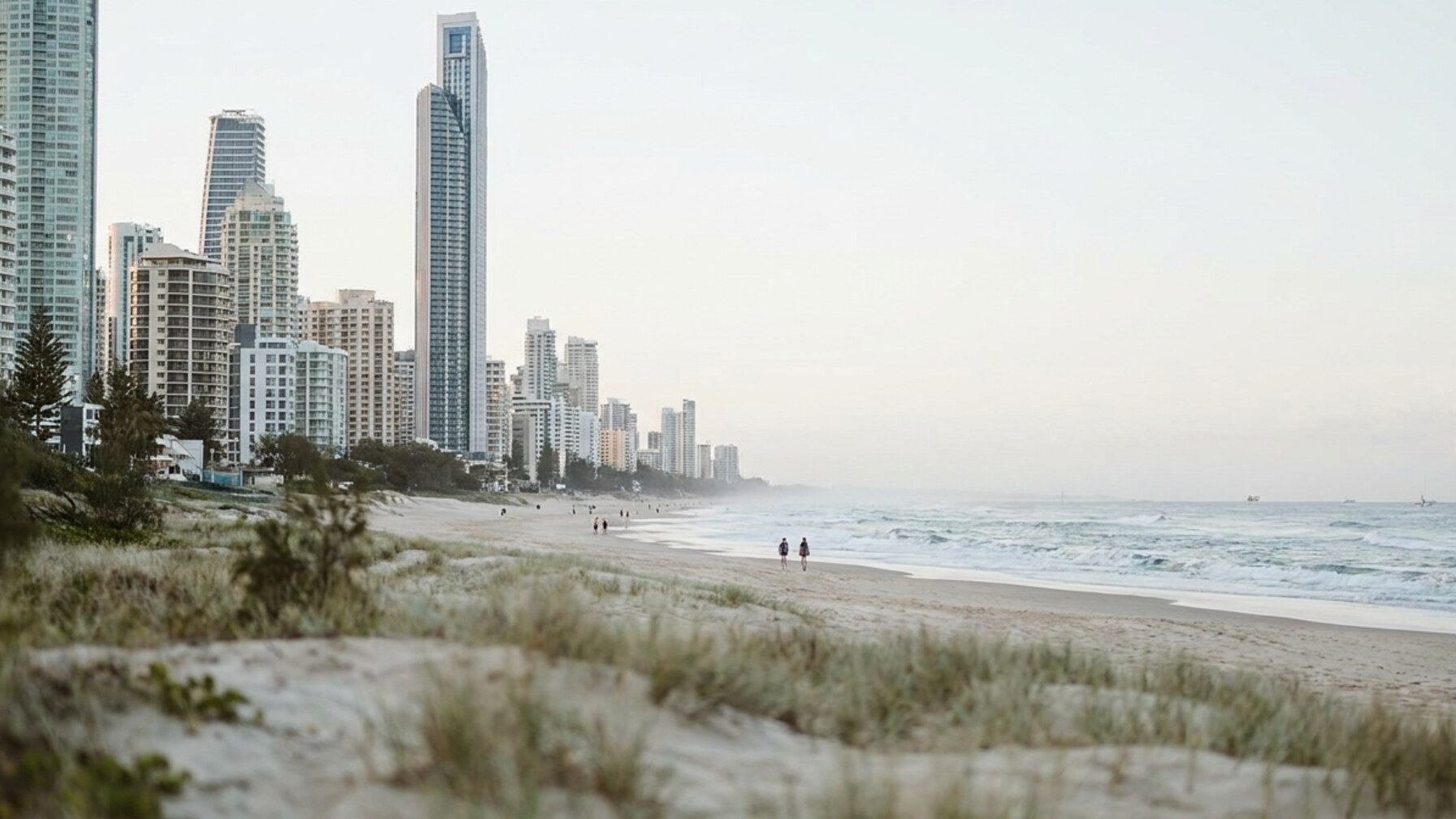
Gold Coast City Council passed new short-term rental rules on 8 July 2026 that cap listings at 90 nights per year in beachfront zones while charging operators a $450 annual permit fee.
The measures arrive as tourism visitor numbers reached 14.2 million in the 2025-26 financial year and construction crews push forward on the Coomera Sport and Leisure Centre plus the Robina Stadium upgrades for the Olympics. Neighbouring cities face similar pressure from holiday lets, yet Gold Coast officials chose narrow geographic limits rather than broad prohibitions.
Local rollout in Surfers Paradise and Broadbeach
Enforcement starts in September along Surfers Paradise Esplanade and the streets behind Broadbeach Mall. Property owners must register through the council portal and display permit numbers in listings. Light-rail extension works along Queen Street in Southport add another layer, with temporary parking restrictions already affecting some short-term accommodation access.
Operators near the planned Olympic precincts at Coomera receive priority processing for permits. The council estimates 4,800 properties fall under the new 90-night cap, leaving inland suburbs such as Robina and Nerang largely untouched for now.
Comparison to rules in Barcelona, Miami and Sydney
Barcelona removed 10,000 unlicensed listings in 2025 and stopped issuing new licences entirely. Miami imposed a citywide 60-night annual cap last year with fines up to US$5,000. Sydney requires registration across the entire metropolitan area but allows unlimited nights. Gold Coast data shows listings grew 28 percent between 2023 and 2025, slower than Barcelona's pre-ban surge yet faster than Miami's post-cap decline of 19 percent.
Local modelling projects the 90-night rule will reduce peak-season availability by 12 percent while raising average nightly rates by $35. Inland suburbs see no change, preserving supply for longer-stay visitors.
Residents can check permit status and lodge complaints through the council website or by calling the dedicated hotline from 1 September. Affected owners have until 31 August to apply or face removal from major platforms.