news
Gold Coast’s Infrastructure Push: How Past Planning Set the Stage for Today’s Boom
Unpacking the decisions and developments that have shaped the Gold Coast’s current spate of major infrastructure projects.
How we reported this
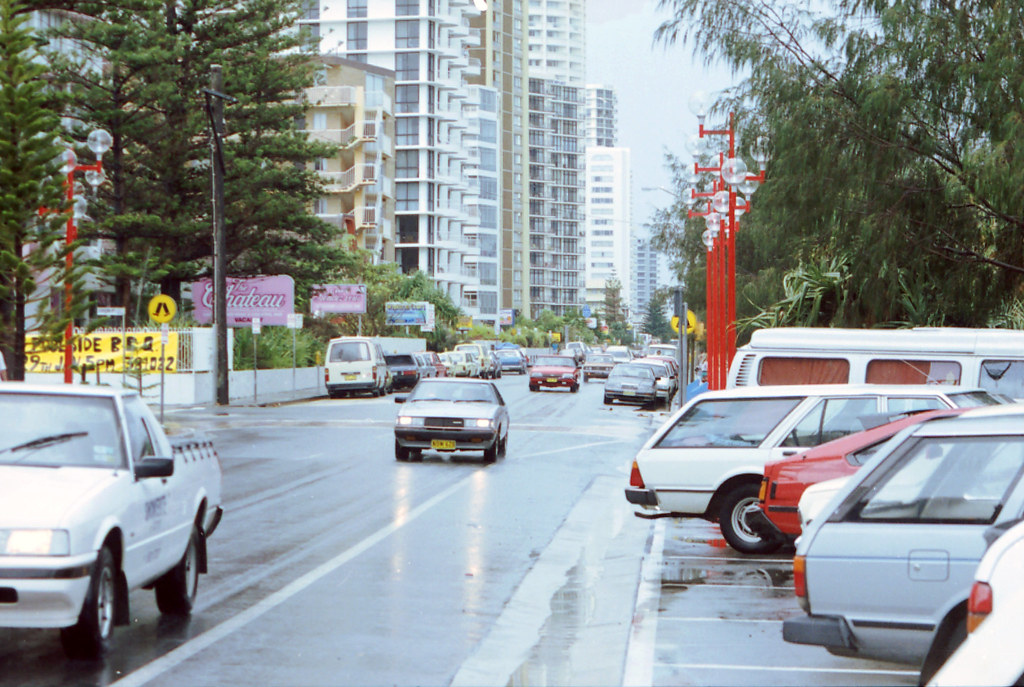
The Gold Coast is now at a critical juncture, with a cluster of infrastructure projects either underway or slated to start by the end of 2026. From the Coomera to Robina light rail extension to the upgrade of the M1 highway’s exit ramps at Nerang, these developments are the outcome of planning decisions made over the past decade, shaped by population growth, the 2032 Olympics preparations, and local government policies.
With infrastructure funding commitments and approvals now solidified, residents and businesses are keenly aware that the coming months will bring tangible changes to transport, housing, and commercial corridors. Understanding how this momentum built up provides crucial insight into what’s driving the Gold Coast’s evolving urban landscape.
Planning and Policy: Laying the Groundwork for Growth
The Gold Coast’s transformation into a congested urban centre is no accident. Since 2015, when the Queensland Government and Gold Coast City Council updated their regional transport and growth plans, key areas such as Southport and the corridor linking Coomera and Robina were identified as priority zones for infrastructure investment.
The decision to extend the G:link light rail, originally running from Broadbeach to Helensvale, was cemented by the 2020 state transport strategy, which earmarked a $350 million state and federal co-funded project to connect Coomera to Robina by 2027. This plan dovetailed seamlessly with preparations for the 2032 Olympic Games, where venues at Coomera and Robina will see unprecedented visitor numbers and athlete traffic.
Meanwhile, the continued residential and commercial development boom-especially across suburbs like Merrimac and Pacific Pines-has necessitated upgrades to road infrastructure. The M1 Pacific Motorway’s exit at Nerang, a notorious bottleneck affecting daily commuters, was identified in a 2023 report by the Queensland Department of Transport and Main Roads as requiring immediate investment. That report highlighted the need for new ramps and improved traffic signal coordination.
Data Behind the Development: Growth and Investment Numbers
The Gold Coast’s population, which stood at approximately 720,000 in 2021, is projected to reach 850,000 by 2030 according to the Brisbane South Regional Plan. This sustained growth is placing pressure on all levels of infrastructure, justifying multi-billion dollar commitments.
The recently approved Coomera-Robina light rail extension alone carries a budget of $360 million, with construction contracts awarded to local firms like GoldBuild Construction in June 2026. Separately, road upgrades on Nerang’s M1 exits are funded through a $120 million allocation from both state and federal sources.
Significant private sector investment also factors in, especially with over $1 billion in current development applications for residential towers and mixed-use projects along the light rail corridor. Such investment was influenced by policy tweaks passed by the Gold Coast City Council between 2021 and 2024, adjusting short-term rental regulations to temper Airbnb growth and prioritize permanent housing availability.
The ripple effects of these infrastructure projects are already visible: traffic data from the Queensland Transport Analytics Centre shows a 15% increase in daily vehicle count on Nerang’s M1 exit in the past three years, highlighting the urgency of upgrades. Simultaneously, early stages of the light rail extension have boosted local employment by approximately 400 jobs across engineering and construction sectors.
For residents, understanding how past policy decisions, growth patterns, and sporting event preparations intertwined can provide context for current disruptions. Long-awaited improvements are finally underway, though they come with the usual challenges of construction noise, traffic detours, and occasional delays.
Looking ahead, the Gold Coast City Council advises that while the light rail extension is scheduled for completion by late 2027, motorists should expect intermittent closures around Nerang’s M1 exits over the next 18 months. Public transport users can plan for phased service additions starting in early 2027.
For those considering property investment or new business locations, proximity to the light rail corridor and upgraded highway interchanges will likely become a principal drawcard. Staying informed through council updates and transport department releases will help locals and visitors alike anticipate and adapt to the Gold Coast’s ongoing infrastructure evolution.