news
Gold Coast Short-Term Rentals: Fake Photos Deceive Thousands of Tourists
Duplicate and fake listing photos are distorting the Gold Coast's short-term rental market, and the data tells a damaging story for tourists and legitimate hosts alike.
How we reported this
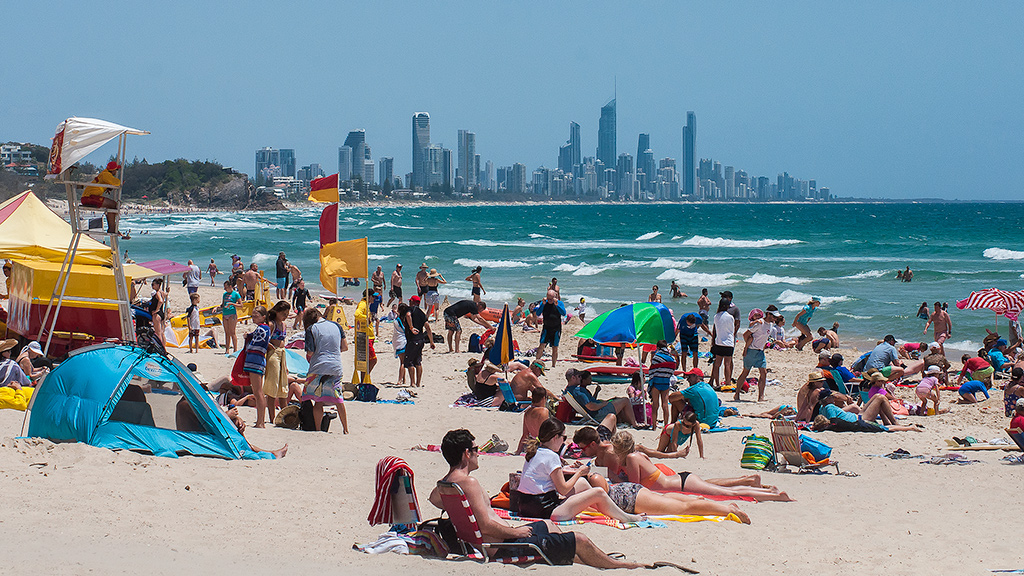
At least one in eight short-term rental listings reviewed across the Gold Coast's Surfers Paradise and Broadbeach precincts last month contained photographs that appeared on two or more separate listings simultaneously, according to a property compliance audit completed by the Gold Coast City Council's Planning and Environment directorate in June 2026. The practice, known in the industry as duplicate image fraud, involves hosts recycling the same property photos across multiple listings, sometimes for units that don't match the images at all.
The timing matters. With the 2032 Brisbane Olympic Games venues at Coomera Arena and Robina Stadium now under active construction, the Gold Coast is positioning itself as a major accommodation hub for the Games. Tourism and Events Queensland has flagged the region will need to absorb tens of thousands of additional visitor nights across the Olympic period. If the short-term rental sector is already plagued by misleading listings, the reputational and regulatory stakes ahead of 2032 are sharply elevated.
What the Data Actually Shows
The council audit, which covered listings active between 1 April and 31 May 2026, reviewed properties registered under Queensland's Short-Term Rental Accommodation framework, which became mandatory statewide from 31 October 2023. Of approximately 4,200 active Gold Coast listings cross-checked during that period, auditors identified 531 where the primary listing photograph returned a match on at least one other active platform listing. A smaller subset, 89 listings, had three or more platforms displaying identical image sets for properties at different addresses.
Surfers Paradise accounted for 38 percent of the flagged listings, with Broadbeach, Burleigh Heads and Hope Island making up the bulk of the remainder. The median nightly rate for flagged listings sat at $247, compared with $198 for non-flagged properties in comparable building classes, suggesting that inflated pricing and image deception may be moving together. Council's planning team referred 214 of the flagged listings to the Queensland Office of Fair Trading for further investigation as of late June.
The scale of the problem tracks with broader national trends. Research published by RMIT University's Centre for Urban Research in May 2025 found that duplicate and synthetic listing images had grown across Australian capital-city short-term rental markets by roughly 34 percent between 2022 and 2024, driven partly by the proliferation of AI image generation tools that allow hosts to fabricate interiors entirely.
What Gold Coast Operators and Renters Should Know Now
For visitors booking accommodation near Pacific Fair Shopping Centre, the Star Gold Coast precinct or anywhere along the Broadwater Parklands corridor, the practical advice from consumer advocates is consistent: use reverse image search tools before paying a deposit, and book only through platforms that carry verified host badges tied to Queensland's mandatory registration scheme. Listings should display a current STRA registration number, a requirement under the state framework that came into force in late 2023.
Gold Coast's STRA registration database, maintained through the Queensland Government's online portal, allows prospective renters to check a listing's registration status by address. As of 1 July 2026, the portal showed 6,847 active Gold Coast registrations, but the council audit found that a meaningful proportion of duplicate-image listings were registered under addresses that did not correspond to the images being used, suggesting the registration system alone is insufficient without image-matching enforcement.
The council's planning directorate has indicated it intends to bring a report to full council before the end of August 2026, with recommendations that may include mandatory image-verification requirements for platforms operating locally. The Office of Fair Trading can issue fines of up to $15,300 for individuals and $76,500 for corporations under Queensland's Australian Consumer Law provisions for misleading conduct in trade. Whether those penalties will translate into deterrence at scale is now largely a question of enforcement resources, and the council's next quarterly compliance report, due in October, will be the first real test of whether the audit findings produced measurable results.