news
How the Gold Coast's Property Image Problem Reached a Breaking Point
A quiet but costly practice of recycling and duplicating listing photos has distorted the city's real estate and short-term rental market for years, here's the trail that led us here.
How we reported this
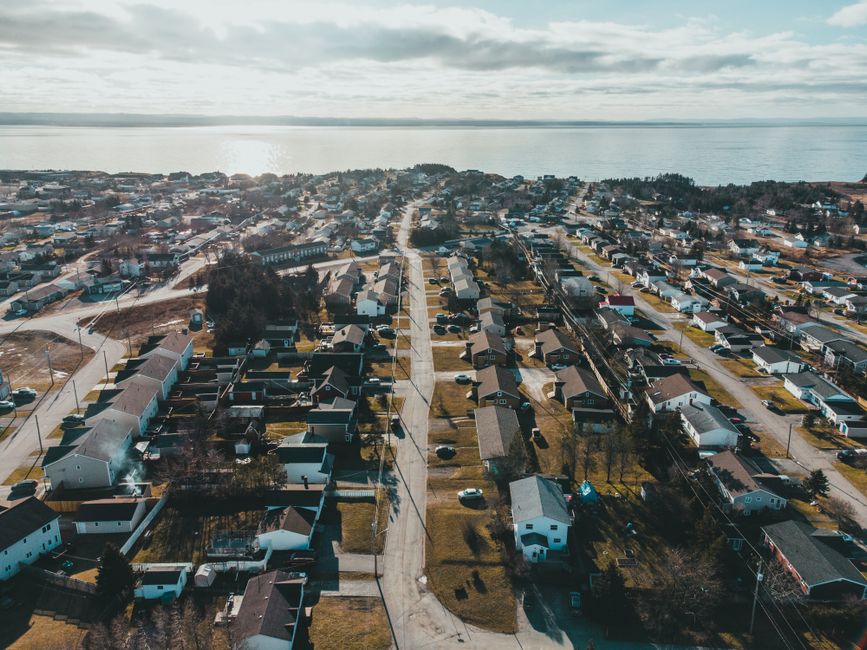
Gold Coast property listings have long sold a dream. Gleaming pools, ocean glimpses from Chevron Island apartments, sun-drenched decks in Burleigh Heads, images that move units and fill Airbnb calendars. But a growing body of complaints lodged with the Queensland Office of Fair Trading reveals a less glamorous story: the same photographs appearing across multiple properties, sometimes years apart, sometimes for homes that look nothing like the pictures when a buyer or renter arrives in person.
The practice, broadly called duplicate image use or image recycling, is not new. What is new is the scale at which it has spread across the Gold Coast's short-term rental sector, and the regulatory pressure now building around it heading into the 2032 Brisbane Olympic Games cycle, which places Coomera and Robina venues, and surrounding accommodation, under an international spotlight.
A Market That Grew Faster Than Its Rules
The Gold Coast's short-term rental market expanded sharply after 2020, when pandemic-era travel restrictions collapsed interstate and international competition and pushed domestic tourists south from Brisbane and north from Sydney. Surfers Paradise, Broadbeach, and the northern corridor around Hope Island absorbed that demand quickly, with new Airbnb and Stayz listings proliferating faster than either the City of Gold Coast or the Queensland state government could track them through existing planning frameworks.
Gold Coast City Council began consulting on short-term accommodation regulation as far back as 2022, responding to community pressure from suburbs like Burleigh Waters and Palm Beach where investor-owned holiday lets had changed the character of residential streets. But the Council's planning powers over how those properties were marketed, including what images could be used in listings, remained limited. Real estate advertising sits primarily under the Australian Consumer Law, enforced federally, and under Queensland's Property Occupations Act 2014, which the Office of Fair Trading administers.
The gap between those two frameworks is precisely where duplicate image use took root. A property manager operating across thirty Broadbeach apartments could legally photograph one well-presented unit, then use those images, perhaps showing a premium fitout or a higher floor ocean view, across listings for adjacent, less impressive properties. Provided no explicit false statement was made, the line between aspirational marketing and misleading conduct stayed blurry.
Olympic Pressure Focuses Minds
The 2032 Games have changed the calculus. Tourism and Events Queensland, along with the state government's Olympic and Paralympic coordination body, have flagged accommodation standards and accurate representation as priorities for visitor confidence in the lead-up to the Games. Coomera Indoor Sports Centre and Robina Stadium are confirmed competition venues, and the accommodation corridor stretching from Coomera down to Coolangatta will need to absorb a volume of international visitors unfamiliar with Australian consumer complaint processes.
The Queensland Government introduced short-term rental registration requirements that began rolling out in late 2025, requiring hosts to hold a registration number displayed on listings, a measure partly modelled on regulations introduced in New South Wales. That registration framework, while primarily aimed at counting and taxing the sector, created for the first time a direct link between a listing and a legally identifiable property address. Once that link exists, cross-referencing listing images against registered property details becomes far more tractable for regulators and, increasingly, for automated tools used by platforms themselves.
Airbnb has operated a duplicate image detection system in some international markets since at least 2023, though its application across Australian listings has been inconsistent, according to consumer advocacy reporting.
For Gold Coast renters and buyers, the practical advice is straightforward: request a live video walkthrough before committing to a booking or paying a holding deposit, cross-check listing images against Google Street View for the registered address, and lodge complaints with the Queensland Office of Fair Trading online if images appear to misrepresent a property. The Fair Trading complaints portal accepts submissions without a lawyer and the agency has powers to issue compliance notices under the Australian Consumer Law. The problem accumulated over half a decade. The tools to address it, finally, are starting to catch up.