news
Gold Coast Cracks Down on Fake Rental Photos, Tightens Rules
City of Gold Coast regulators and property platforms face a defining moment after a surge of duplicate and misrepresenting listing images exposes gaps in the city's short-term rental framework.
How we reported this
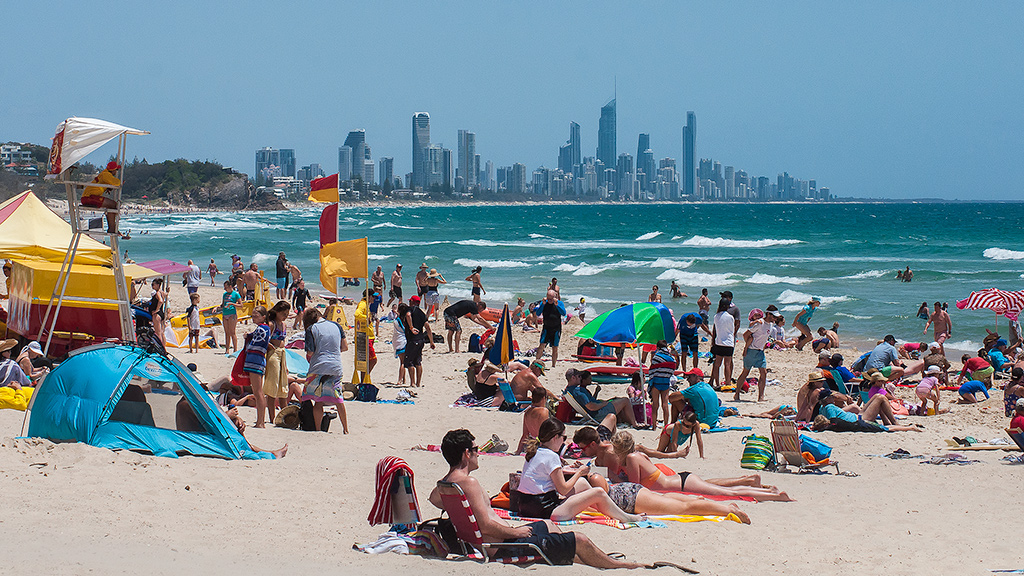
Hundreds of Gold Coast short-term rental listings are carrying duplicate, recycled or outright fraudulent property photographs, and the question now sitting on the desks of City of Gold Coast compliance officers and Queensland Rental Tenancy Authority investigators is what, exactly, they plan to do about it.
The issue has sharpened this week because Queensland's short-term rental registration scheme, introduced under the Tourism Accommodation Reform Act 2025 and requiring all Airbnb and Stayz hosts to hold a state-issued registration number by 1 September 2026, is approaching its first real enforcement test. Duplicate listing images, a well-documented technique where unscrupulous operators lift photographs from legitimate properties and use them to advertise units they do not own or that bear no resemblance to the photographs shown, have emerged as a significant vector for consumer deception in the lead-up to the Gold Coast's 2032 Olympics construction boom, which is already driving accommodation demand in Coomera and Robina.
Why This Moment Matters for the Gold Coast Market
Gold Coast had approximately 18,400 active short-term rental listings as of May 2026, according to data compiled by the Queensland Tourism Industry Council, the highest concentration outside inner Brisbane. Surfers Paradise alone accounts for roughly 3,200 of those listings. Broadbeach and Burleigh Heads have each seen listing numbers climb more than 14 percent since January, driven partly by infrastructure investment tied to the 2032 Games venue corridor running down the M1.
The City of Gold Coast's planning department confirmed in June that it had received 61 formal complaints since February related to misrepresented or misleading short-term rental advertisements within the local government area. That figure represents a threefold increase on the same period in 2025. Consumer Affairs Queensland opened 22 investigations specifically referencing image duplication across the state in the first half of 2026, though the department has not broken those figures down by council area.
For legitimate operators, the Airbnb hosts managing apartments above Chevron Renaissance on Surfers Paradise Boulevard, or the owner-operators running beach houses along Jefferson Lane in Palm Beach, the fraudulent listings create a direct commercial injury. Their actual photographs are being scraped and reused, their verified reviews are being impersonated, and their market reputation suffers when guests arrive at misrepresented properties. The Gold Coast Accommodation Association, based in Bundall, lodged a formal submission to the Queensland Department of Tourism in May calling for mandatory image-hash verification as a condition of the new registration scheme.
The Decisions Ahead, and the Clock Ticking
Three decisions will determine how this plays out before the 1 September registration deadline.
First, the Queensland government must clarify whether the registration scheme's compliance framework includes platform-level obligations. Right now, the draft regulations place the burden entirely on individual hosts. The Gold Coast Accommodation Association argues that Airbnb and Stayz, as the entities hosting and displaying the listings, should be required to run reverse-image checks before activating any new listing in Queensland.
Second, City of Gold Coast enforcement officers must decide whether the 61 complaints already on file trigger proactive audit action or remain reactive case-by-case files. The council's Planning and Environment Court proceedings from 2024, relating to illegal short-stay conversions in Broadbeach Waters, demonstrated that the council is willing to pursue operators to the Planning and Environment Court. That same institutional machinery could be directed at fraudulent image use if council chooses to classify it as an unlawful material change of use, given the properties are being effectively misrepresented as something they are not.
Third, and most practically, legitimate Gold Coast hosts need to act before September 1. Registering under the new scheme creates a timestamped public record of an operator's actual property details and photographs. That record becomes the evidentiary baseline for any future image-theft complaint. The QRTA has confirmed it will accept lodgment of registration applications from 14 July 2026. Hosts operating in high-traffic precincts, Surfers Paradise, Broadbeach, Coolangatta, are being urged by the Gold Coast Accommodation Association to register early and document their listing images formally through the state portal.
The September 1 deadline is nine weeks away. The compliance machinery is being assembled in real time, and the Gold Coast's short-term rental market, already under pressure from housing affordability politics and Olympics-era development, is the place where those mechanisms will get their first serious workout.