news
Gold Coast's Short-Term Rental Reckoning: How the City Stacks Up Against Barcelona, Amsterdam and Honolulu
As duplicate property listings flood platforms like Airbnb and Stayz, Gold Coast councils and regulators are scrambling to clean up a market that's murkier than most visitors realise.
How we reported this
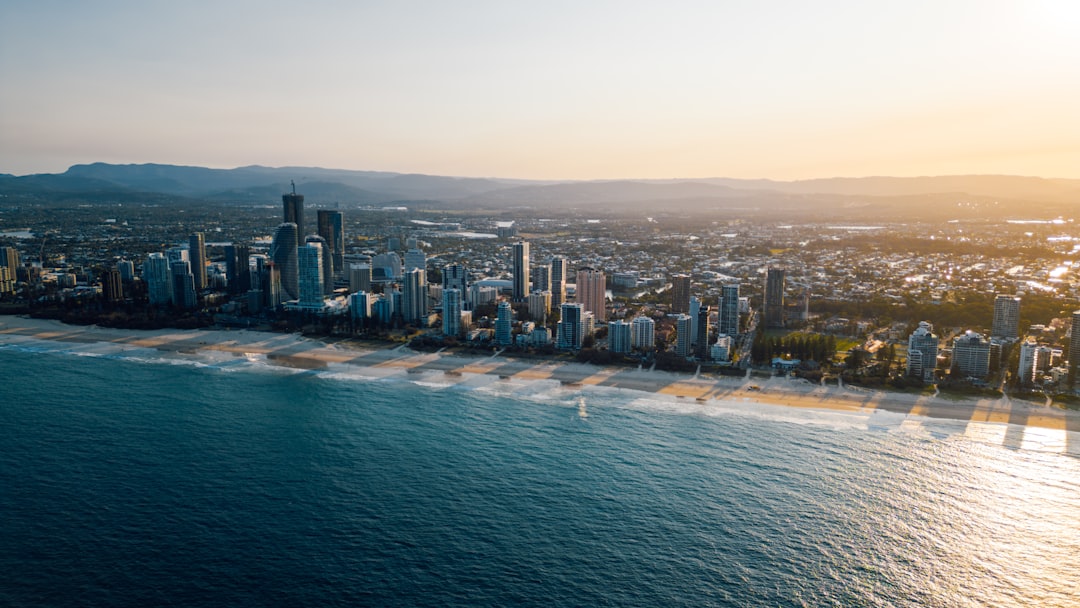
Gold Coast has a duplicate listing problem. Property owners across Surfers Paradise, Broadbeach and the northern Coomera corridor are registering the same short-term rental properties under multiple platform profiles, sometimes with different nightly rates, different cancellation policies and subtly altered photographs, creating a regulatory blind spot that city planners and housing advocates say is distorting both the tourism market and the city's already strained rental supply.
The timing matters. With the 2032 Brisbane Olympics locking in Coomera Arena and Robina Stadium as competition venues, the Gold Coast short-term rental market is under pressure from investors banking on an accommodation surge six years out. That speculative energy is accelerating listings growth, and duplicate or ghost listings are moving with it.
What's Actually Happening on the Ground
Gold Coast City Council's planning directorate has been working through a short-term accommodation framework that intersects with Queensland's state-level regulation under the Planning Act 2016. The problem is that neither layer of oversight currently mandates a unique property identifier that would flag when the same dwelling appears across Airbnb, Stayz and Booking.com simultaneously under different host names or slightly varied addresses. A two-bedroom unit on Orchid Avenue in Surfers Paradise can legally appear as three separate listings across three platforms with no mechanism forcing reconciliation.
The Accommodation Association of Australia, which represents operators across Queensland, has previously raised concerns about uneven platform compliance with state registration requirements, but the specific issue of duplicate image replication across platforms remains largely unaddressed in local policy documents. Residents near the Ferry Road precinct in Southport, an area seeing rapid investor conversion of older apartment stock, have raised complaints through council channels about properties that cycle through multiple listing identities.
Compare that to Barcelona, where the city council introduced a mandatory licence number system in 2021 that platforms must display on every listing, with automated scraping tools used to detect duplicates. Amsterdam went further in 2023, capping short-term rentals in central districts at 30 nights per year and requiring a city-issued permit number embedded in listing metadata. Honolulu's county ordinances since 2022 have imposed fines of up to USD $10,000 per day for unlicensed or misrepresented listings, a figure that has materially reduced platform-level duplication in Waikiki.
Gold Coast's Approach and Its Gaps
Queensland's Short-Term Rental Accommodation framework, which came into effect in April 2023 under state planning policy, requires hosts in certain designated areas to notify their local council. It does not, however, require platforms to verify or display registration details against a centralised database, the step that made Barcelona's system effective. Gold Coast City Council's planning officers confirmed in publicly available meeting minutes from February 2025 that a review of the notification framework was underway, but no mandatory unique identifier requirement has been legislated at either council or state level as of this month.
The practical effect is measurable. Research published by the UNSW City Futures Research Centre in 2024 estimated that duplicate and fraudulent listings across Australian platforms account for between four and seven per cent of total active listings in major tourist markets, a proportion that costs legitimate operators bookings and misleads consumers on true accommodation availability. On the Gold Coast, where the total short-term rental stock has grown substantially since 2020, even the lower end of that range represents hundreds of individual listings.
For travellers booking accommodation near Pacific Fair in Broadbeach or along the beachfront strip between Coolangatta and Tugun this winter school-holiday period, the practical advice is straightforward: cross-check any listing by reverse-searching the property photographs using Google Images before paying a deposit, confirm the listed address against street-view tools, and use platform messaging systems, rather than being directed off-platform, to verify the host identity. A listing without a Queensland council notification reference number in its description is not automatically fraudulent, but its absence is now a flag worth noting.
The larger question is whether Gold Coast will move toward the mandatory digital identifier model that European cities adopted before a major event cycle, or whether it will wait until the 2032 Olympic booking surge makes the problem impossible to ignore.