news
Gold Coast's Property Image Problem: What Officials, Experts and Key Figures Are Saying
Duplicate and misleading listing photos are distorting the city's short-term rental market, and the chorus of concern is getting louder.
How we reported this
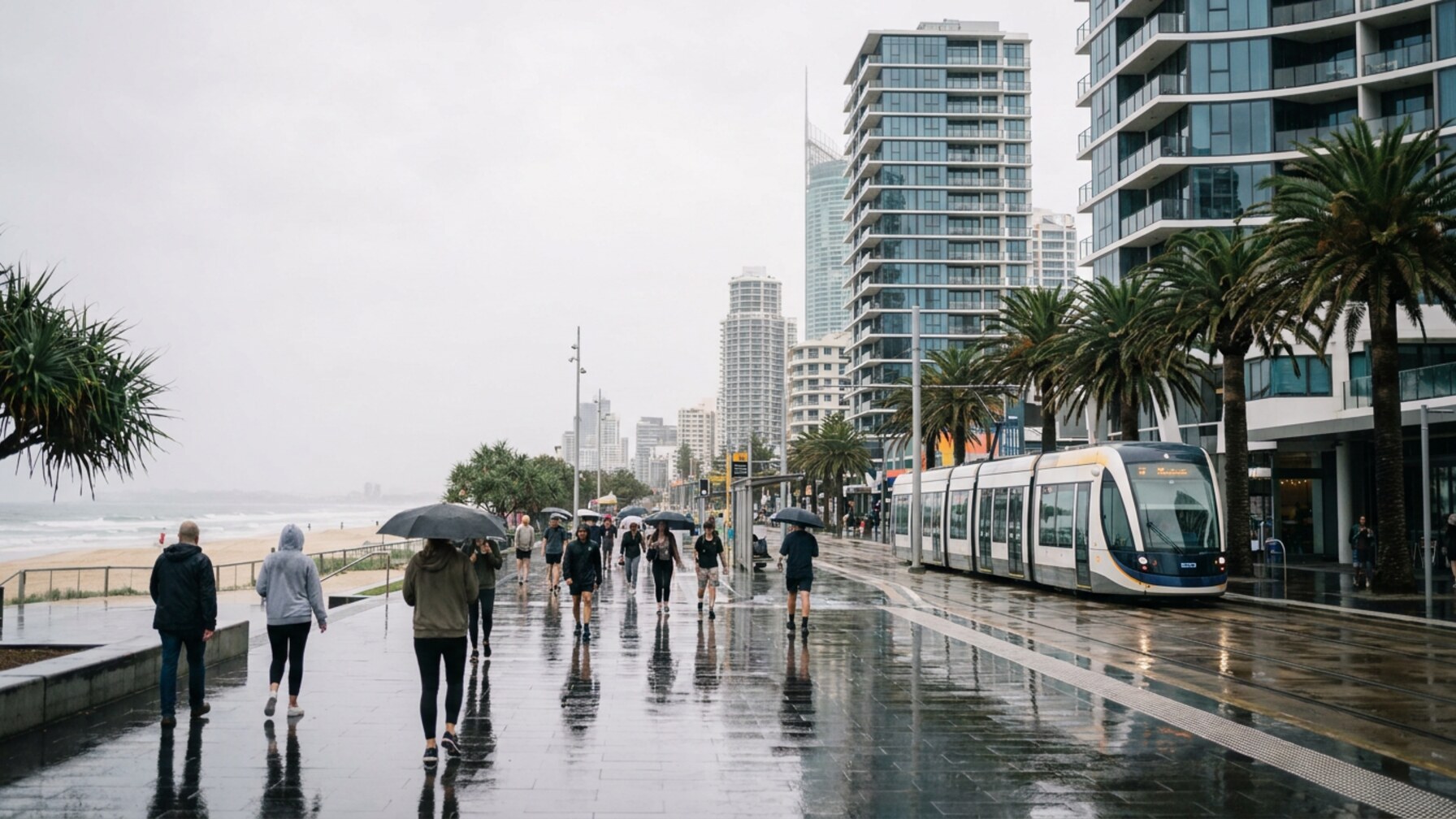
Property managers, local councillors and housing advocates are raising alarms about a practice that has quietly embedded itself in Gold Coast's short-term rental sector: the recycling and duplication of listing images across multiple properties, sometimes for dwellings that look nothing like what guests or tenants eventually find. The issue is surfacing as City of Gold Coast council prepares to revisit its short-term accommodation policy framework ahead of the 2032 Brisbane Olympic Games, with Coomera and Robina both designated as key venues precincts.
The timing matters. Gold Coast's visitor economy is running hot, tourism recovery has pushed short-term rental occupancy rates across Surfers Paradise and Broadbeach to levels not seen since before 2020, and the pressure to list quickly, and attractively, has created conditions where image fraud finds easy footing. With Olympic infrastructure investment accelerating around Robina Stadium and Coomera Indoor Sports Centre, short-term accommodation demand in both corridors is forecast to climb sharply before 2032, giving the problem a longer runway if left unaddressed.
What the Concerns Actually Look Like on the Ground
The practice takes several forms. In some cases, a single high-quality photo set is applied to multiple listings managed by the same operator across Chevron Island, Labrador or the northern Gold Coast hinterland. In others, images from a renovated property are used to represent an older, unrenovated unit in the same complex. Real estate industry bodies have noted the behaviour in internal guidance documents, though specific enforcement action on the Gold Coast remains limited.
The Real Estate Institute of Queensland has previously flagged image accuracy as a compliance issue under both the Property Occupations Act 2014 and Australian Consumer Law, which is administered federally by the Australian Competition and Consumer Commission. Neither body has publicly announced Gold Coast-specific investigations into duplicate listing imagery, but consumer protection advocates say the mechanisms exist, they are simply not being used proactively in this market.
Gold Coast Tourism, the city's peak tourism body based on Orchid Avenue in Surfers Paradise, has acknowledged the reputational dimension of the issue. Visitors who book based on inaccurate imagery and arrive to find a different property are a known driver of negative online reviews, which erode destination confidence. Short-term rental platforms including Airbnb and Stayz each maintain image authenticity policies, but enforcement is complaint-driven rather than systematic.
Pressure Points Ahead of 2032
City of Gold Coast's planning and environment committee has been working through a broader short-term rental reform agenda since at least 2024, partly in response to housing affordability pressure in suburbs like Miami, Burleigh Heads and Palm Beach, where long-term rental stock has tightened significantly. The duplicate image question sits at the intersection of consumer protection and planning integrity, an awkward overlap between state and local jurisdiction that has slowed any coordinated response.
Industry figures say the problem is more common in complexes built before 2005, where unit interiors vary significantly from floor to floor, making a single representative image set inherently misleading. Complexes along the Esplanade in Surfers Paradise and in older towers along Cavill Avenue are frequently cited in informal industry discussions as places where the practice is most visible.
Queensland's Department of Housing and Public Works has broader regulatory oversight of the property sector but has not signalled any specific Gold Coast initiative targeting listing image practices. The ACCC's guidelines on misleading representations in property advertising remain the most direct legal instrument available, carrying penalties for businesses found to have misled consumers.
For now, the practical advice from both consumer advocates and real estate compliance specialists points in the same direction: prospective short-term renters and buyers should cross-reference listing images against Google Street View, request timestamped interior photos dated within the past six months, and report suspected duplicates directly to the relevant platform and to the ACCC's online complaints portal. With the Olympic clock ticking and Gold Coast accommodation demand set to intensify, the window for a proactive regulatory fix is narrowing fast.