news
Gold Coast Takes On the Fake-Image Problem Plaguing Property Listings Worldwide
Duplicate and digitally altered photos are distorting the short-term rental market from Surfers Paradise to Barcelona, and local regulators are only beginning to catch up.
How we reported this
Duplicate listing images, the same photograph recycled across dozens of unrelated short-term rental ads, have become one of the more stubborn headaches in the Gold Coast property market, with City of Gold Coast compliance officers flagging the practice as a growing concern ahead of tightened short-term rental rules expected to come into effect under Queensland's new Accommodation Booking Platform Framework later this year.
The timing matters. Queensland's state government is midway through rolling out registration requirements for short-term rental properties, a process that puts new scrutiny on listing accuracy. On the Gold Coast, where Airbnb-style rentals cluster heavily around Surfers Paradise, Broadbeach, and the Chevron Island strip, fraudulent or misleading imagery isn't merely a consumer annoyance, it sits at the intersection of housing affordability politics, Olympic infrastructure planning for the 2032 Games, and a construction sector still working through approvals backlogs along the M1 corridor.
What the duplicate-image problem actually looks like here
The mechanics are straightforward. A single set of professional interior photographs, a light-filled apartment with ocean glimpses, typically shot at a Broadbeach Waters or Main Beach address, gets copied and reused to front multiple listings, sometimes for properties that look nothing like the images. Guests arrive at a Labrador unit expecting the polished finishes shown online. The photograph that sold the booking was taken in a different suburb entirely.
Gold Coast-based property compliance consultants and strata management firms operating in the Southport CBD precinct have noted an uptick in tenant and guest complaints tied to image misrepresentation since 2024, when the short-term rental stock in the city expanded sharply as investor purchases of high-rise units accelerated. Exact complaint tallies from the Office of Fair Trading have not been made publicly available for the current financial year.
City of Gold Coast's Planning and Environment directorate confirmed in its 2025-26 annual service plan that verifying listing accuracy falls across multiple agencies, a jurisdictional patchwork that slows enforcement. The council's role is largely confined to land-use compliance rather than consumer protection, which sits with the state.
How other cities are handling it
Barcelona and Amsterdam moved earliest on this problem, requiring short-term rental operators to display a government-issued registration number on every listing, a step that makes image duplication easier to detect because mismatched registration numbers trigger automated flags. Amsterdam's registration requirement has been in place since January 2021. Barcelona's equivalent system, administered through the city's municipal tourism office, links each listing number to a physical address, so a photograph recycled across addresses creates an immediate data mismatch.
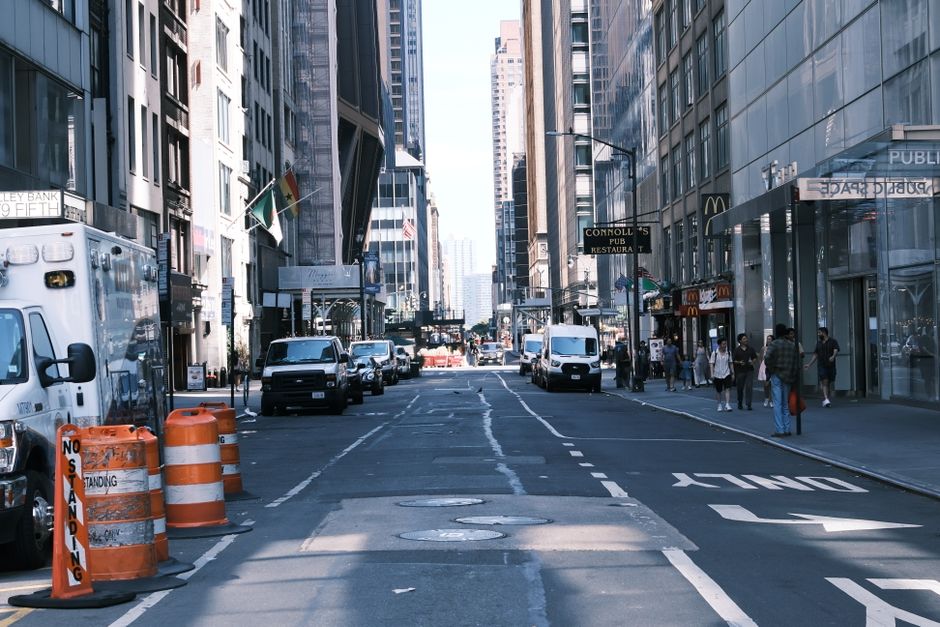
New York City went further with Local Law 18, which came into force in September 2023, requiring hosts to be present during guest stays and limiting listings to a single primary residence. The law effectively collapsed the volume of listings where image fraud was most common, the unoccupied investor unit dressed up with stock photography. Within months of enforcement beginning, the number of active entire-home listings in Manhattan reportedly fell dramatically, according to independent monitoring by short-term rental data firms.
The Gold Coast is not yet close to New York's approach, nor is Queensland's framework designed to be that restrictive. What the state's registration system does provide, once fully operational, is a licence number that must accompany every listing, the same baseline tool Barcelona and Amsterdam used first. Whether Gold Coast's enforcement capacity matches the ambition of that requirement is a separate question. The council employs a finite pool of compliance officers across a local government area stretching from Coomera in the north to Coolangatta on the New South Wales border.
For guests booking Gold Coast accommodation ahead of the 2032 Olympic events at Coomera Indoor Sports Centre and Coomera Aquatic Centre, venues expected to drive a significant surge in short-term rental demand from around 2030, the practical advice from consumer advocates is consistent: cross-check listing photographs using reverse-image search tools before paying a deposit, verify the address matches the registration number once Queensland's system is live, and book through platforms that carry their own fraud-detection guarantees. The regulatory scaffolding is being built; it is not finished yet.