news
Gold Coast Implements Rental Crackdown, Outpaces Barcelona on Housing Reform
As cities worldwide scramble to regulate the Airbnb-driven duplication of residential listings, Gold Coast's approach is drawing comparisons, not all flattering, from housing advocates tracking the global experiment.
How we reported this
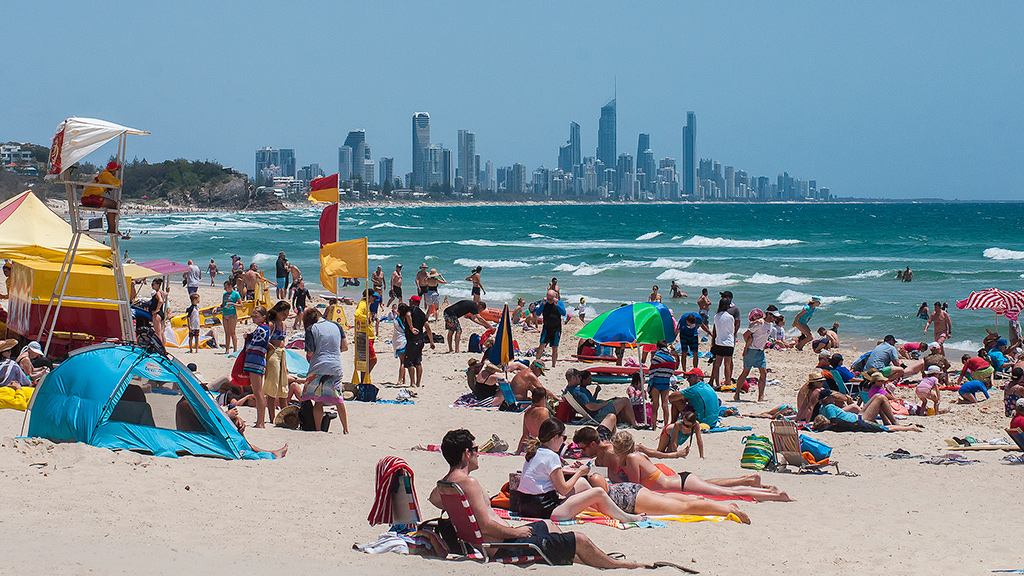
Gold Coast City Council is sitting on a growing stack of duplicate and fraudulent short-term rental listings, properties advertised across multiple platforms simultaneously, sometimes at wildly different rates, and the tools it has to deal with them remain patchy compared to what regulators in Europe deployed years ago.
The issue matters here more than almost anywhere in Queensland. With construction crane counts in Surfers Paradise and Broadbeach routinely among the highest in the country, and the 2032 Olympics venues at Coomera Arena and Robina Stadium already generating speculative investor activity, the local rental market is under pressure from multiple directions at once. Duplicate listings distort vacancy data, push up short-stay pricing for legitimate tourists, and make it harder for council compliance officers to identify which properties are actually operating as unlicensed accommodation.
What Gold Coast Is Actually Doing
Queensland's Short-Term Rental Accommodation framework, which took effect in late 2023, requires hosts to register through the state government's STRA register and display that registration number on every platform listing. The policy was designed partly to address the duplicate problem: if every legitimate listing carries a unique, verifiable number, a property appearing twice, once on Airbnb, once on Stayz, with no number on either, becomes easier to flag.
Gold Coast has leaned into that system. Council's planning compliance team has been cross-referencing listings in high-density precincts along the Esplanade at Surfers Paradise and around Chevron Island, where investor-owned short-stay apartments cluster most densely. But enforcement is complaint-driven, which housing advocates argue creates a significant blind spot: hosts who duplicate listings quietly, across platforms, without triggering neighbour complaints, face little practical risk.
Compare that to Barcelona, where the city council began a systematic audit of all tourism accommodation platforms in 2023 and announced it would let its 10,101 tourist apartment licences lapse rather than renew them, effectively phasing out the entire sector. Amsterdam went further still, capping short-stay rental nights at 30 per year per property and deploying an automated scraping system that checks for duplicate or unlicensed listings daily. New York's Local Law 18, which came into force in September 2023, requires hosts to be present during guest stays and limits rentals to two guests at a time, a measure that effectively killed the whole-apartment short-stay market and slashed Airbnb listings in Manhattan by more than 80 percent within months of implementation.
The Gap Gold Coast Needs to Close
Gold Coast is not Barcelona and it is not New York. Tourism is not an inconvenient side effect here, it is the economic spine of a city that welcomed around 14 million visitors in the year to June 2025, according to figures cited in Tourism and Events Queensland's regional dashboard. Strangling the short-stay sector is not a policy any councillor on the current LNP-aligned council is likely to propose.
But the duplicate listing problem is distinct from the broader debate about Airbnb caps. Cities that have tackled it most effectively, including Lisbon, which built a municipal data portal in 2022 cross-referencing tax records with platform listings, did so by creating a single registration identifier that platforms were legally required to display and that regulators could query in real time. Queensland's STRA register moves in that direction, but it relies on host compliance rather than platform-level enforcement. Airbnb and Stayz are not currently required under Queensland law to automatically de-list properties lacking a valid STRA number.
The practical upshot for renters and buyers in suburbs like Labrador and Southport, where housing affordability pressure is acute, is that the duplicate listing problem quietly inflates the apparent demand for short-stay accommodation, potentially justifying further investor conversion of residential stock.
Council's next scheduled review of its short-term accommodation local law is flagged for late 2026. Housing and planning advocates who have been tracking the Queensland framework say that review is the logical moment to push for platform-level obligations, requiring Airbnb, Stayz and others to verify and display registration numbers automatically, matching what Lisbon and Amsterdam built years ago. Without that step, Gold Coast's compliance effort stays reactive, while the listings keep multiplying.