news
Gold Coast Tackles Fake Property Photos: Councils and Platforms Face Critical Decisions
A growing wave of duplicate and misleading listing images is forcing Gold Coast councils, rental platforms and real estate bodies to decide who is responsible, and how fast they must act.
How we reported this
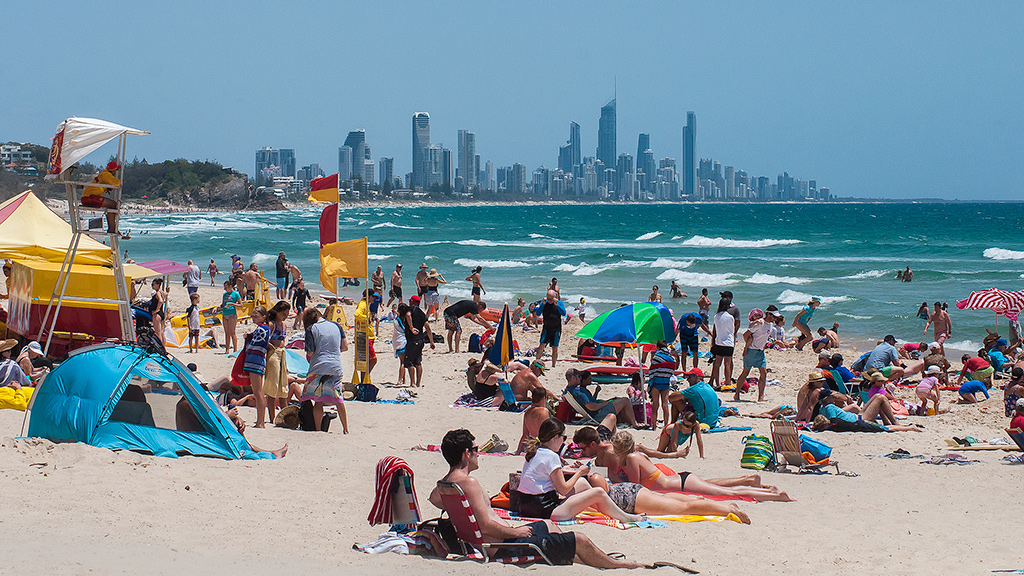
Gold Coast's short-term rental market is facing a reckoning over duplicate and recycled property images, with industry regulators and platform operators under mounting pressure to establish clear rules for image authenticity before the 2032 Brisbane-Southeast Queensland Olympics put the region's accommodation stock under an international spotlight.
The issue is straightforward: listings on major short-term rental platforms, including properties concentrated along Surfers Paradise Boulevard, in the Broadbeach Waters canal estate precinct, and in the rapidly developing Coomera corridor, have been found using photographs that do not match the actual accommodation on offer. Guests arrive expecting one property and find another. For a city projecting itself as an Olympic host destination with venues confirmed at Coomera Indoor Sports Centre and Robina Stadium, the reputational stakes are significant.
Gold Coast City Council approved a short-term rental registration framework in late 2024 as part of broader Queensland government moves to regulate the sector, which has been blamed in part for squeezing rental vacancy rates. But that framework does not yet include mandatory image verification requirements, a gap that consumer advocates and property management bodies have flagged repeatedly.
The Platforms, the Rules and the Gaps
Real Estate Institute of Queensland guidelines require member agents to use accurate and current photography in property listings, but those obligations do not extend to private hosts listing directly on platforms such as Airbnb or Stayz. That creates a two-tier accountability problem. A licensed property manager on Chevron Renaissance Drive, Surfers Paradise, is bound by professional conduct rules; a private host listing the apartment one floor up faces no equivalent obligation.
Queensland's Office of Fair Trading handles complaints about misleading representations in accommodation, but enforcement against individual hosts has historically been limited. The Australian Competition and Consumer Commission's 2024 digital platforms report flagged image misrepresentation in short-term rentals as an emerging consumer harm category, though specific Gold Coast enforcement actions have not been publicly recorded.
Gold Coast had an estimated 11,400 active short-term rental listings as of early 2026, according to figures cited by the Queensland Tourism Industry Council in its annual accommodation review. That volume makes manual image auditing by any single body impractical. The question now is whether platform-level automated duplicate detection, already used by major e-commerce sites, can be adapted and mandated for property listings before the Olympic accommodation rush begins in earnest.
Decisions That Will Shape the Next 18 Months
Three decision points are converging. First, the Queensland government is expected to finalise its short-term rental registration renewal conditions before the end of 2026, and consumer groups want image authenticity requirements written into those conditions. Second, Gold Coast City Council's Tourism and Major Events Committee is scheduled to meet in August to review visitor accommodation standards ahead of Olympic infrastructure milestones at the Coomera precinct. Third, the Real Estate Institute of Queensland is reviewing its professional photography standards, with a working group report due in the September quarter.
Property managers operating in high-density precincts such as Main Beach and Broadbeach say the real cost is reputational. A fraudulent or outdated image that generates a negative review can undermine an entire building's appeal on algorithm-driven platforms where ranking determines bookings. Some operators in the Circle on Cavill complex have already begun voluntary image verification programs, submitting timestamped photography to their platform accounts to establish a record of accuracy.
For prospective guests and investors watching the Gold Coast market, the practical advice is to cross-reference listing photographs against Google Street View and recent sold-property records on Domain or realestate.com.au, particularly for properties in newly developed estates around Hope Island and Pimpama where construction progress can mean listings carry images from model apartments rather than the actual unit.
The broader regulatory architecture will take shape over the next six months. If Queensland embeds image verification into the short-term rental registration regime and the REIQ tightens photography standards simultaneously, the gap between platform-listed private hosts and licensed managers becomes the next political fight. Neither Gold Coast City Council nor the state government has publicly committed to closing it yet.