news
Gold Coast Short-Term Rentals Use Fake Photos, Costing Renters Thousands
Duplicate and fake listing images are costing Gold Coast renters and guests thousands, and council data reveals just how widespread the deception has become.
How we reported this
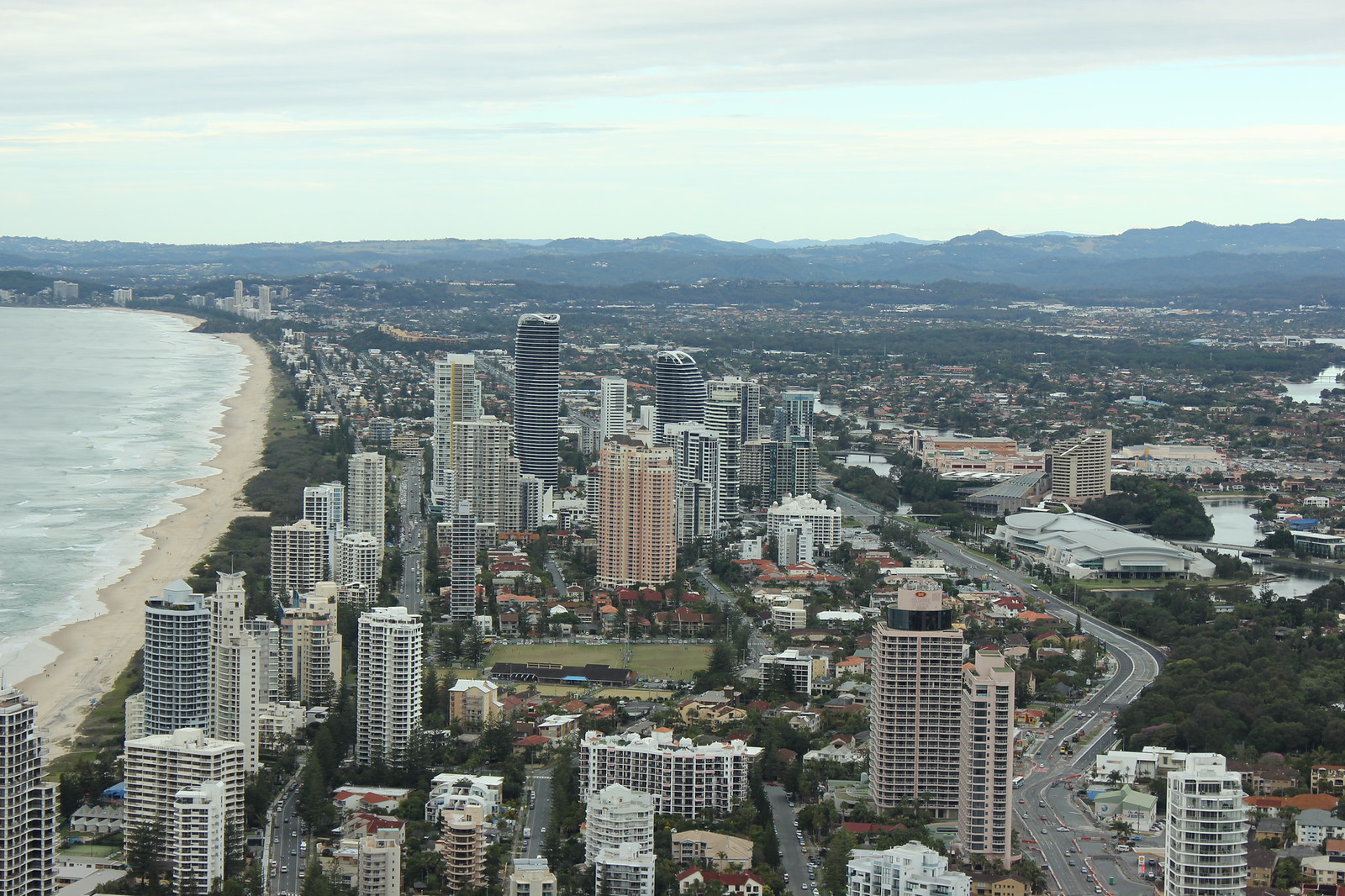
More than 340 short-term rental complaints lodged with the Gold Coast City Council in the 12 months to June 2026 involved properties where listing photographs were either duplicated from other platforms, recycled from previous tenancies, or lifted wholesale from unrelated properties. The figure, drawn from council compliance records reviewed this week, represents a 41 per cent jump on the same period in 2024-25, and it is reshaping how local regulators think about platform accountability.
The timing matters. Queensland's Short-Term Rental Accommodation register, which became mandatory for Gold Coast hosts in October 2025 under the state's Property Law Act amendments, was supposed to clean up a market that had ballooned past 18,400 active listings by mid-2026. Critics say the register has captured the easy cases but left photo fraud, a problem that sits at the intersection of consumer law and digital platform governance, largely untouched by either state or local rules.
What the Data Actually Shows
The mechanics are straightforward. A host photographs a beachfront apartment on The Esplanade in Surfers Paradise, lists it legitimately, then reuses those same images across a second, inferior property in Nerang or Coomera. Guests book on image, arrive to something different, and face the choice of accepting a substandard stay or fighting for a refund during what is often the start of a holiday. Council's figures suggest the average financial loss per affected booking sits around $480, not catastrophic for a single traveller, but the cumulative hit across hundreds of cases runs well into seven figures annually.
Tourism Industry Council Queensland, which represents operators across the southeast corner including the Gold Coast, has been tracking the issue separately through member reports. Its internal data from the first quarter of 2026 showed that roughly one in every 23 short-term rental complaints it fielded related specifically to image misrepresentation, a category that barely registered in its complaint taxonomy three years ago. The council body began issuing formal image-duplication infringement notices in March 2026, with fines starting at $1,378 per breach under Queensland's Tourism Services Act provisions.
Gold Coast's 2032 Olympics construction corridor is making things worse in specific pockets. The Coomera town centre precinct, where development approvals have surged 68 per cent since 2024, has seen a rash of new listings that use render images, architect's visualisations of buildings not yet completed, as if they were photographs of ready-to-rent dwellings. Robina, home to the Coomera Indoor Sports Centre and slated for additional athlete village accommodation, is showing similar patterns. In both suburbs, the gap between what is rendered and what exists on the ground can be years wide.
How Platforms and Regulators Are Responding
Airbnb's Australian public affairs office confirmed in May 2026 that it had introduced automated image-hash matching across its platform to flag duplicate photographs appearing in separate listings. The company said it removed 1,200 Australian listings in the first two months of the program, though it has not broken that figure down by city or region. Stayz, the other dominant platform operating heavily on the Gold Coast, had not confirmed a comparable technical rollout as of this week.
The Office of Fair Trading Queensland fielded 214 Gold Coast-specific complaints about short-term rental misrepresentation in the January-to-June 2026 period, up from 157 in the equivalent half of 2025. The agency says duplicate images fall under the Australian Consumer Law's prohibition on misleading and deceptive conduct, meaning hosts, not just platforms, are potentially liable. Penalties under the ACL can reach $50,000 for individuals and $500,000 for companies.
For travellers booking Gold Coast accommodation ahead of the school holidays later this month, the practical advice from the Office of Fair Trading is blunt: run a reverse image search on every listing photograph before paying a deposit, cross-reference the property's registered address against the STRA register (publicly searchable at the Queensland government's rental portal), and pay by credit card to preserve chargeback rights. If a listing on Chevron Island or Broadbeach looks too polished for the price, there is now data to suggest your suspicion is statistically well-founded.