news
Gold Coast's Short-Term Rental Crackdown Puts It Ahead of Barcelona, Behind Amsterdam
As cities from Lisbon to Los Angeles wrestle with the same problem of housing stock vanishing into Airbnb listings, the Gold Coast's new regulatory framework is drawing international comparisons, for better and worse.
How we reported this
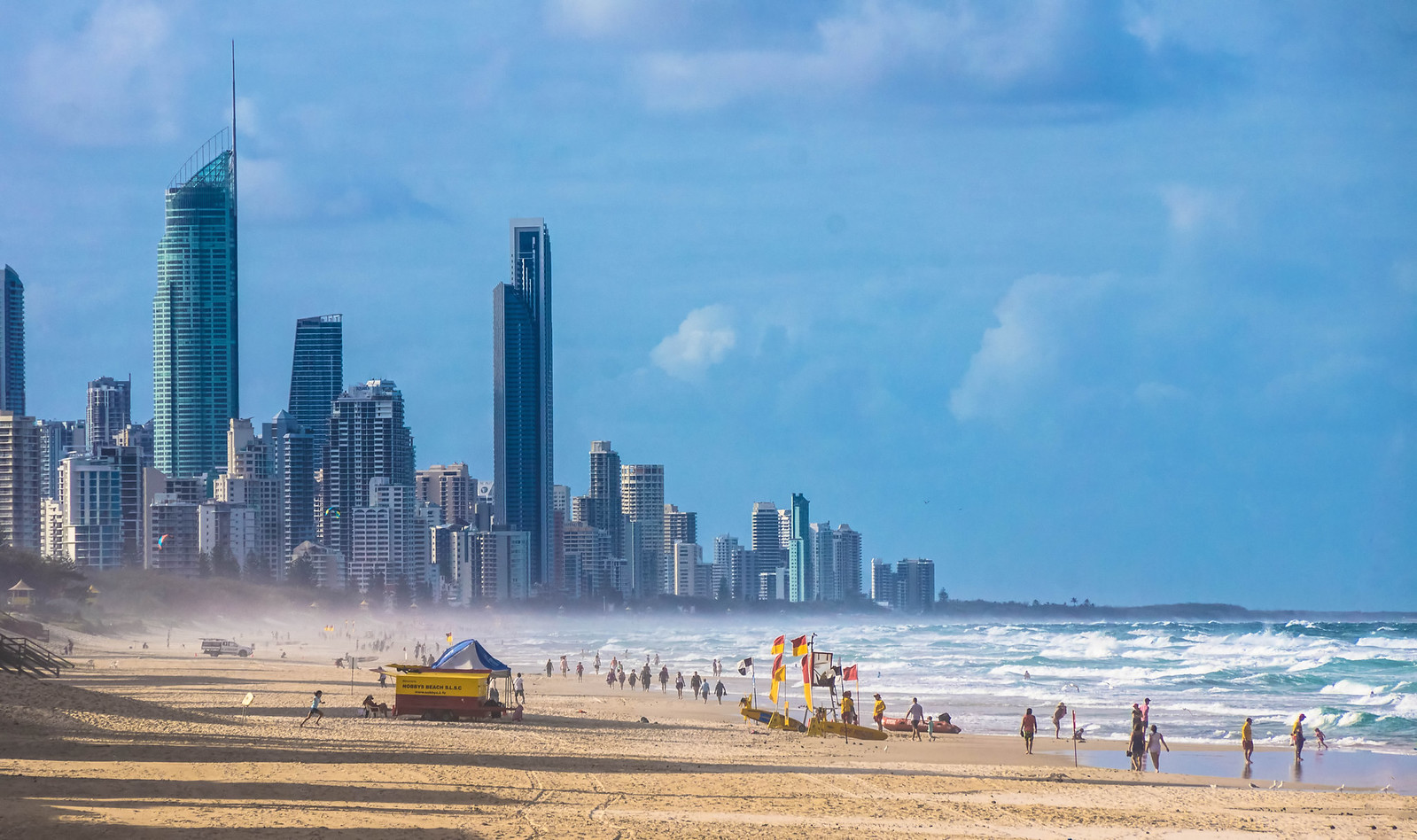
Queensland's planning authorities confirmed this week that the Gold Coast City Council's short-term rental register, which became mandatory for all Airbnb and Stayz-style properties across the city from January 2026, now covers more than 14,000 dwellings, a figure that puts the rental pressure in sharp relief for a city where median house rents in Surfers Paradise and Broadbeach have climbed well above $700 per week.
The timing matters. Sydney has just recorded its hottest June in more than 160 years, a weather event that drove a spike in interstate visitors heading south and onto the Gold Coast, stressing an already tight accommodation market. Local councils up and down the eastern seaboard are now under renewed pressure to explain why so many homes that could shelter long-term residents are instead catering to weekend tourists.
How the Gold Coast Compares Globally
Barcelona imposed a hard cap on new short-term rental licences in 2028 and has been winding down existing ones since. Amsterdam limits hosts to renting their primary residence for no more than 30 nights per year. New York City's Local Law 18, which took effect in September 2023, effectively killed most Airbnb-style listings by requiring hosts to be present during any stay. The Gold Coast sits somewhere in the middle of that spectrum. The mandatory registration scheme, administered through the Council's Planning and Environment directorate and linked to Queensland's state-level short-term rental framework introduced under the Housing Legislation Amendment Act 2024, stops well short of a nightly cap or a presence requirement. Critics argue that registers without teeth are ultimately symbolic.
Southport's community housing advocacy group, Gold Coast Community Housing, has been pushing Council since mid-2025 to convert a minimum percentage of registered short-term rentals back into long-term stock. Their argument centres on the Coomera and Robina corridors, both flagged as 2032 Olympic venue precincts, where infrastructure investment is inflating land values and accelerating conversions of older rental stock into tourist accommodation. Robina Town Centre and the Coomera Indoor Sports Centre precinct have both seen new apartment developments marketed almost exclusively toward short-stay investors in recent project launches.
The Data Behind the Debate
National data platform SQM Research recorded Gold Coast's residential vacancy rate at 0.8 percent in May 2026, against a national average closer to 1.4 percent. That gap has been widening since 2024. Comparable resort cities offer a useful yardstick: Lisbon reported a vacancy rate of under one percent in central districts before Portugal's national government introduced a moratorium on new short-term rental licences in late 2023 under its Mais Habitação housing package. Honolulu, another beach-city analogue, passed Bill 41 in 2022 restricting short-term rentals to resort-zoned areas only, a move that returned an estimated 1,700 units to the long-term market within 18 months according to the City and County of Honolulu's own reporting.
Gold Coast's register has not yet produced equivalent data on housing stock recovery, partly because enforcement resourcing remains limited. Council's 2025-26 budget allocated funding for four dedicated compliance officers across the entire city, a ratio that planning academics have described publicly as insufficient for a register of this scale, though the Council has not released specific enforcement statistics.
For renters, the practical picture is immediate. A two-bedroom apartment on Chevron Island, a suburb that sits between the Nerang River and the light rail corridor on the Gold Coast Highway, was listed on Airbnb in June 2026 at $285 per night. The same building's long-term rental equivalent, based on comparable listings on realestate.com.au at the same time, sat at around $680 per week, a gap that makes the economic logic for short-stay conversion obvious to any investor.
Council is expected to table a review of the register's first-year outcomes at its August 2026 planning committee meeting. Whether that review produces stricter nightly caps, a licensing fee structure similar to the one Dublin introduced in 2025, or simply confirms the status quo will say a great deal about how seriously the Gold Coast intends to treat housing supply as an Olympic legacy question rather than a post-Games afterthought.