news
Gold Coast Property Photos: Officials Demand Action Against Fraud
Duplicate and manipulated listing images are distorting the city's short-term rental market, and calls for regulatory action are growing louder.
How we reported this
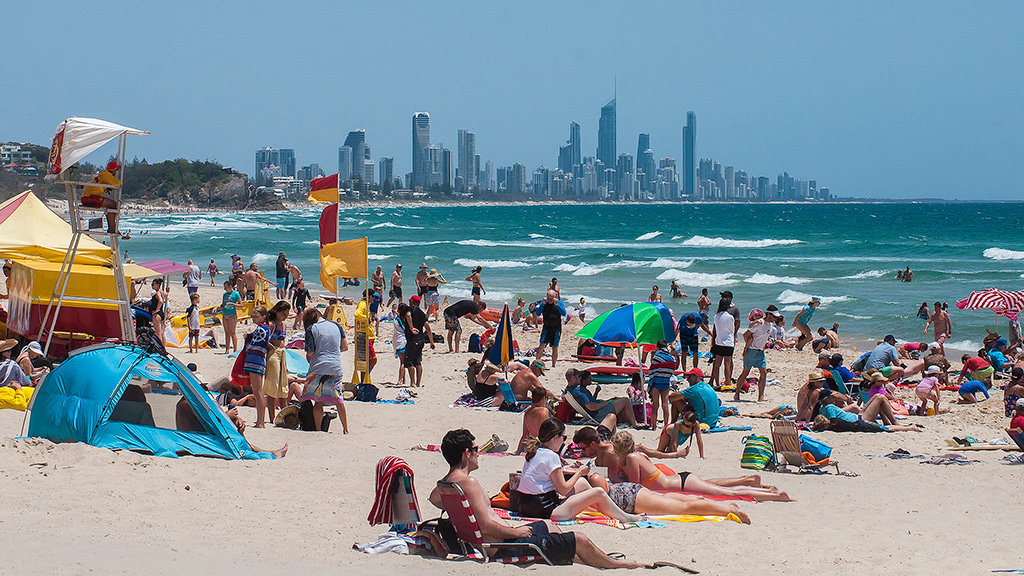
Property managers, platform auditors and local councillors are raising fresh alarms about the proliferation of duplicate and recycled images across short-term rental listings on the Gold Coast, warning that deceptive photography is undermining consumer trust and complicating the city's already fraught Airbnb regulation debate.
The issue has sharpened in urgency this winter. City of Gold Coast planners are currently working through a revised short-term accommodation framework tied to Queensland's broader rental reform agenda, and investigators reviewing listing compliance have flagged that duplicate imagery, photos lifted from one property and reused across multiple listings, makes it significantly harder to verify whether a rental actually exists at the advertised address.
Why It Matters on the Gold Coast Right Now
The Gold Coast's short-term rental stock is concentrated in a handful of high-density corridors: Surfers Paradise along the Esplanade, Broadbeach near Kurrawa Park, and the expanding Coomera township precinct where 2032 Olympic venue construction is accelerating land values and investor interest. In those areas, the gap between a real property and a fraudulent listing can mean a family arriving on school holidays to find no apartment, or an investor gaming occupancy statistics to inflate a property's apparent performance.
Queensland's Department of Housing and Public Works has been consulting on short-term rental registration since late 2024. A formal registration scheme, if legislated, would require each listing to carry a unique identifier tied to a verified address, a mechanism that experts in the field say would substantially reduce the utility of duplicate images as a deceptive tool. The scheme has not yet passed into law, meaning enforcement gaps remain.
Consumer advocacy groups focused on the Queensland accommodation sector have pointed to the period between June and August, peak southern-states school holiday travel, as the window when fraudulent listing activity tends to spike. That timing aligns precisely with the current booking season.
What the Key Figures Are Saying
The Gold Coast Tourism Bureau has acknowledged publicly that listing authenticity is a reputational issue for the destination, noting that visitor complaints about misrepresented accommodation erode the trust that repeat visitation depends on. The Bureau has not issued specific figures on complaint volumes, but the organisation has called on major platforms to accelerate their own image-verification processes.
At council level, the short-term accommodation working group, which includes representatives from the Southport and Robina planning precincts, has discussed mandating that listing photographs be dated and geotagged as part of any future local compliance regime. That proposal is at discussion-paper stage only; no formal motion has been put to a full council vote.
Real estate industry bodies in Queensland have separately argued that the duplicate-image problem is primarily a platform governance failure rather than a local planning issue, and that responsibility sits with Airbnb, Stayz and similar operators to deploy automated detection tools. Those tools exist, reverse-image search and hash-matching technology are standard in fraud detection, but their application to short-term rental listings has been inconsistent.
Property valuation professionals operating out of the Bundall and Robina commercial precincts have noted a secondary consequence: when investor-facing listing aggregators scrape rental data that includes fraudulent or duplicated listings, occupancy and yield estimates become unreliable. That flows into financing decisions, potentially distorting the market for legitimate operators.
For renters and holiday-makers booking for the upcoming July school holiday period, the practical advice from consumer protection advocates is consistent: cross-check listing photos using a reverse image search before paying a deposit, verify the street address appears on Google Street View with a matching building, and book through platforms that offer full refunds in cases of listing misrepresentation. Queensland's Office of Fair Trading accepts complaints about misleading rental listings at its Southport office on Nerang Street, and online complaints can be lodged year-round. A registration scheme, if the Queensland government finalises its framework before the 2027 sitting calendar closes, would add a further layer of protection, but that remains a legislative work in progress.