news
Gold Coast races to capitalize on Olympic legacy before six-year window closes.
With six years until the Brisbane-South-East Queensland Games, the Gold Coast is betting big on Coomera and Robina, and global precedent says timing is everything.
How we reported this
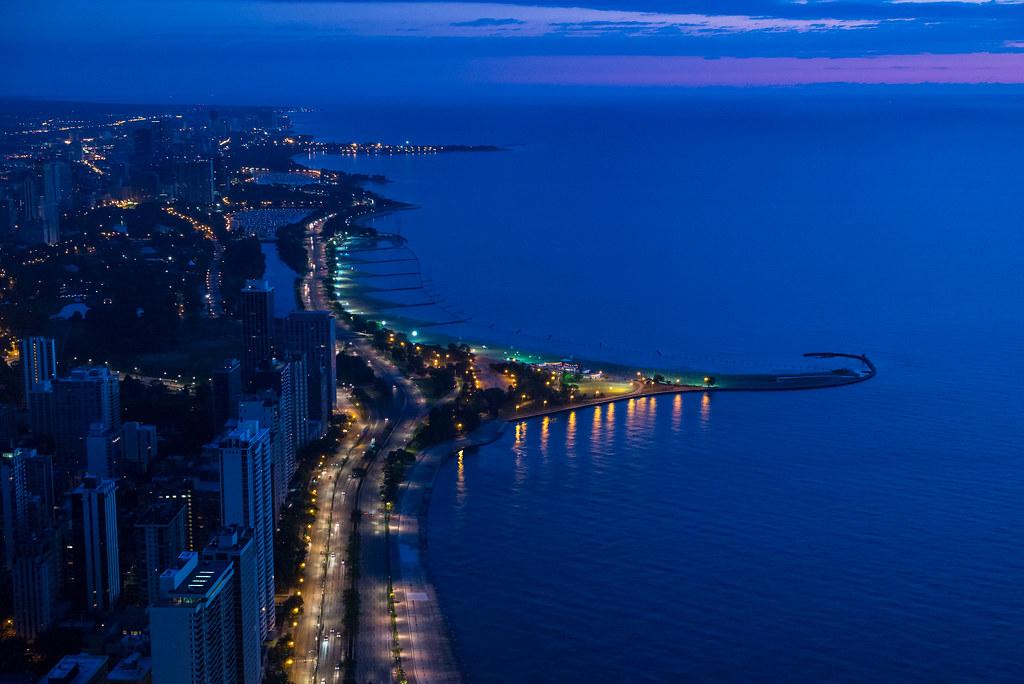
City planners, property economists and venue managers across the Gold Coast are increasingly measuring their work against a single deadline: July 2032. The city will host gymnastics, basketball and several other disciplines at the Coomera Indoor Sports Centre and Robina Stadium, and the infrastructure and commercial decisions being made right now, on light rail corridors, short-term rental regulation and construction approvals, will largely determine whether the Games deliver a lasting dividend or a familiar hangover.
That question matters more than usual in mid-2026, because the window for legacy planning is widely understood to close well before the opening ceremony. Barcelona locked in its waterfront transformation by 1989, three years before the 1992 Games. Sydney's conversion of Homebush Bay from contaminated industrial land into Newington was essentially complete by 1999. Cities that waited to plan after venues were built captured little. Gold Coast, already six years out, is still debating the northern light rail extension through Helensvale toward Coomera, a route that would directly connect two Olympic precincts and reduce pressure on the Pacific Motorway.
What the comparable cities actually did
Glasgow, which hosted the 2014 Commonwealth Games, offers the most instructive comparison for a city of Gold Coast's scale. The Scottish city invested heavily in the East End, particularly around the Emirates Arena on London Road, converting derelict industrial blocks into residential and commercial precincts before the torch was lit. A 2023 review by Glasgow City Council found median property values within 1.5 kilometres of Games venues rose roughly 18 percent in the five years following the event, outperforming the broader Glasgow market by 11 points. Critically, planners attribute most of that gain to pre-Games infrastructure, not the event itself.
Athens in 2004 is the cautionary version. Venues at Hellinikon sat dormant for years. The infrastructure commitments existed on paper but lacked the zoning reforms and transport links to make private development viable. The Gold Coast City Council approved its Olympic Precinct Master Plan for Coomera in late 2024, but progress on rezoning surrounding land along Foxwell Road for higher-density residential use has been slow, according to documents tabled at the March 2026 council meeting. At current approval rates, several proposed mixed-use projects near the indoor centre won't break ground until 2028, leaving a narrowing lead time for the commercial ecosystem that makes venues hum after athletes leave.
Robina tells a slightly different story. The precinct already has the Robina Town Centre, the Gold Coast University Hospital on Parklands Drive and an established light rail connection on the G:link network. Developers have been more aggressive here: a 430-apartment project on Scottsdale Drive received approval in February 2026, and two further residential towers are before council now. The contrast between the two venues, one embedded in existing urban fabric, one still largely surrounded by cul-de-sac housing estates, captures exactly the challenge that cities like Glasgow and Barcelona faced, and resolved at very different speeds.
The short-term rental wildcard
One variable that did not exist for Glasgow or Sydney is the Airbnb economy. The Gold Coast has approximately 8,400 active short-term rental listings, the highest concentration in Queensland outside of the Sunshine Coast hinterland. State legislation introduced in 2025 allows councils to cap short-term rentals in designated areas, and the Gold Coast City Council has been lobbying for flexibility to redirect some of that stock toward affordable workforce housing, a precondition for attracting the construction workers and hospitality staff the Games will require.
Without that pipeline of workers, the venues won't get built on time. Without affordable housing near Coomera, the workers won't stay. The lesson from Barcelona, where the Olympic Village was deliberately converted to permanent housing post-Games, anchoring 2,000 residents in what had been a derelict waterfront, is that the built legacy depends on residential decisions made years in advance, not months.
The council's next opportunity to move is the August 2026 ordinary meeting, where a short-term rental capping proposal for Coomera and Upper Coomera is on the agenda. That decision, unglamorous as it sounds, may do more to shape what the Gold Coast looks like in 2040 than anything that happens inside Robina Stadium in 2032.