news
Gold Coast extends light rail to airport and Burleigh Heads
Decades of planning battles, two Olympics bids and a pandemic that reshaped commuter habits have quietly built the political case for extending the city's light rail north to Burleigh Heads and south to the airport.
How we reported this
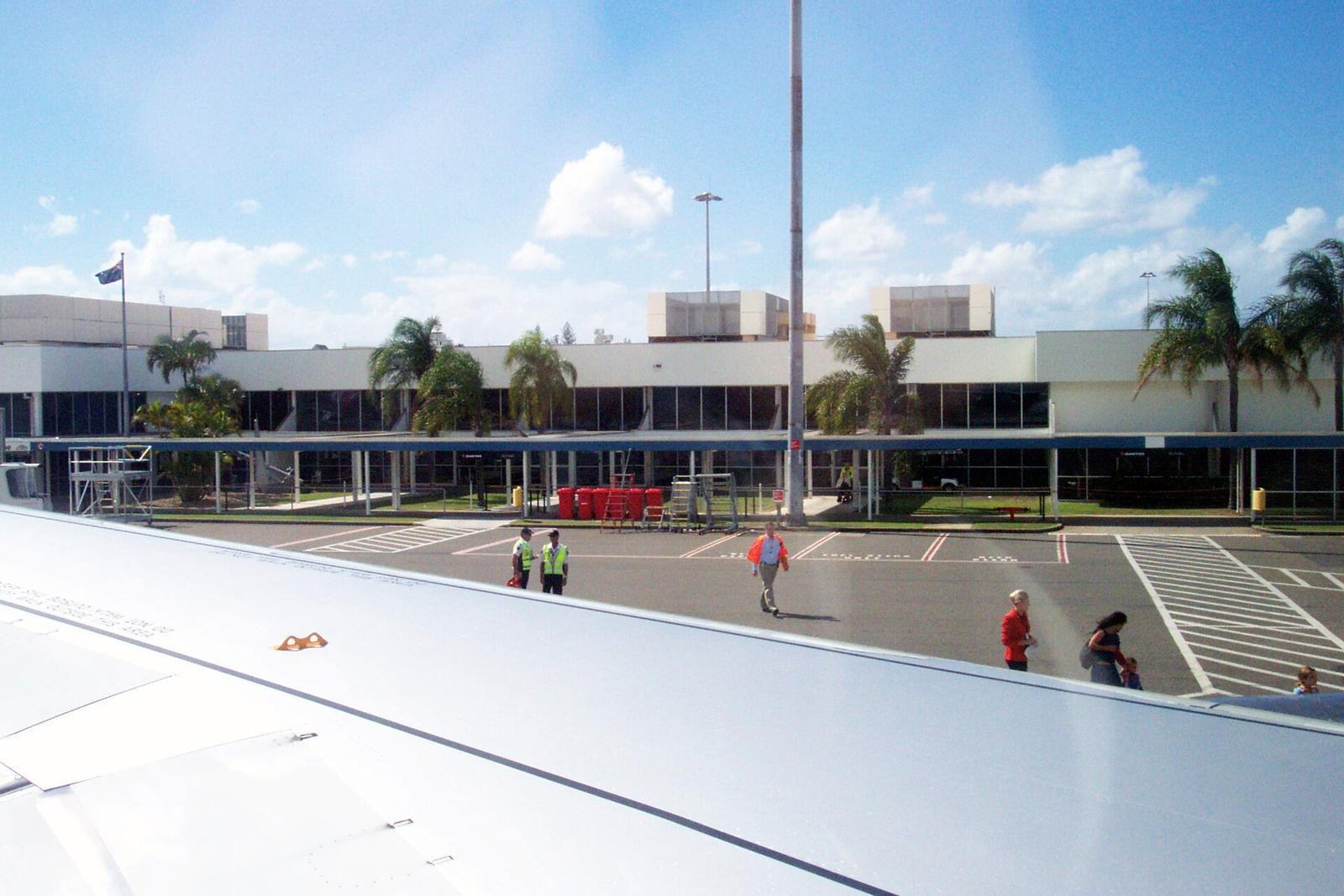
Gold Coast City Council and the Queensland state government are now in active discussions about the next stage of the G:link light rail network, with feasibility work on a southern extension to Gold Coast Airport at Coolangatta and a northern spur toward Burleigh Heads both confirmed as live projects. The talks mark the most serious institutional commitment to expanding the 20-kilometre trunk line since Stage 3 opened to Helensvale in 2023.
The timing is not accidental. With the Brisbane 2032 Olympic Games less than six years away, and two major venues, Coomera Indoor Sports Centre and Carrara Stadium, sitting well beyond the existing rail corridor, pressure on the network is only going up. State government modelling already has the system carrying an estimated 30,000 passengers on peak Olympic days through Broadbeach South and Helensvale interchanges alone.
A line built in stages, not in one go
The G:link's history is a study in incremental politics. Stage 1 opened in July 2014, running 13 kilometres from Broadbeach South to the Gold Coast University Hospital at Parklands. At the time, critics argued a coastal city built entirely around cars and tourist shuttles would never generate the ridership to justify the $1.76 billion price tag. They were wrong. By 2018 the network was recording more than 10 million annual boardings, a figure the operator TransLink had not projected reaching until 2021.
Stage 2 extended the line 7.3 kilometres north, connecting GCUH to the Helensvale heavy rail station and giving commuters a single-transfer route into Brisbane. That project, completed in 2023 after several pandemic-related delays, cost roughly $709 million in combined federal, state and council funding. It was the first time the three tiers of government had co-financed a Gold Coast transport project at that scale since the Tugun Bypass opened in 2008.
Ridership data submitted to a Queensland Transport and Main Roads committee hearing in March 2026 showed average weekday boardings across the full network had reached 42,000, up 18 percent on the pre-Stage 2 baseline. The Southport Chinatown and Surfers Paradise Central stops consistently rank among the five busiest, with Broadbeach South station alone accounting for nearly 12 percent of all daily boardings.
The gaps the network still can't fill
The airport extension is the one that generates the most heat at council chambers on Cavill Lane. Gold Coast Airport handled 6.8 million passengers in the 2024-25 financial year, according to the airport's annual figures, yet the only public transport link to the terminal remains a bus service that adds 40 to 60 minutes to any journey from the northern resort strip. A light rail extension from Broadbeach South down the Gold Coast Highway through Mermaid Beach, Burleigh Heads and Palm Beach to Coolangatta has been costed at between $2.1 billion and $2.6 billion in 2024 dollars, depending on whether the route crosses the Tweed River into New South Wales.
The northern spur is a different political beast. Extending from Helensvale toward Coomera, where the 2032 indoor sports venue already sits, requires threading through suburbs that are dense with new housing estates but thin on existing commercial corridors. Gold Coast-based infrastructure advocacy group Council of Mayors South East Queensland flagged the Coomera connection as its top regional priority in a submission to Infrastructure Australia in February 2026.
The federal government's 2026-27 budget, handed down in May, included $45 million for a detailed business case on Stage 4, which covers the southern airport corridor. That money has not yet been formally matched by the Crisafulli state government in Brisbane, though Transport Minister a spokesperson confirmed the state was reviewing the scope of the business case before committing its share.
Council's transport committee is scheduled to table a progress report at its next full meeting on 21 July. Residents along the proposed southern corridor, particularly those in Mermaid Beach and Palm Beach, where construction disruption is expected to be significant, have been advised to register on the council's online engagement portal before that date if they want their submissions considered in the preliminary scoping phase.